THE ADVENTURE COLLECTIVE® · Independent discovery and booking for outdoor travel

A classic 12-day route from Lukla to Everest Base Camp and Kala Patthar, this trek pairs high-altitude views of Everest with Sherpa culture, glacial landscapes and mandatory acclimatization days. Plan for variable weather, teahouse nights, and flights to Lukla that depend on conditions.
A classic 12-day route from Lukla to Everest Base Camp and Kala Patthar, this trek pairs high-altitude views of Everest with Sherpa culture, glacial landscapes and mandatory acclimatization days. Plan for variable weather, teahouse nights, and flights to Lukla that depend on conditions.
You step off the tiny Lukla airstrip and the mountain air—thin, cold, immediate—pulls at your lungs, reminding you the Himalaya set the rules here.
Verified experiences and guided adventures in the surrounding area.
Operated by Trek Mania Nepal · Lukla, Solukhumbu
You step off the tiny Lukla airstrip and the mountain air—thin, cold, immediate—pulls at your lungs, reminding you the Himalaya set the rules here.
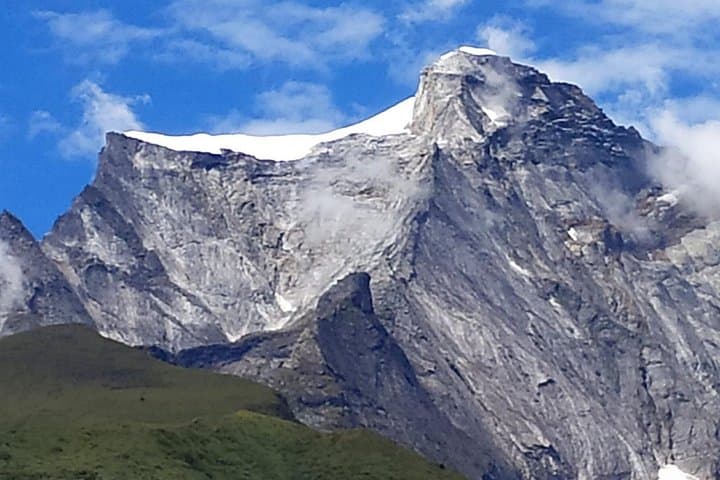
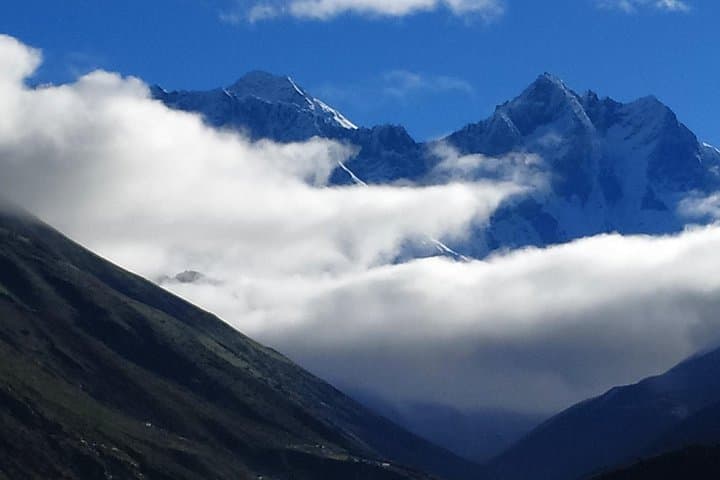
Over twelve days the trail moves between rivers and moraine, through pine and rhododendron, past mani walls and waving prayer flags. The Dudh Koshi river dares you to keep pace as suspension bridges sway and Sherpa villages appear like ordered clusters of color on the slopes. At Gorak Shep and Kala Patthar the landscape sharpens: the Khumbu Glacier grinds below and Everest itself looms, patient and enormous.
Geology and human stories collide in the Khumbu. These peaks are the result of the Indian and Eurasian plates colliding; moraines and glacial silt mark recent ice movement. Culturally, this route follows old trade lines between Tibet and Nepal; Tengboche Monastery and Namche Bazaar still pulse with Sherpa life and mountaineering history—Tenzing Norgay’s legacy is visible in local museums and memorials.
Practically, this is high-altitude trekking, not a wilderness sprint. Expect 4–7 hours of walking on most days, variable weather, basic teahouse lodging and shared meals, and mandatory permits for Sagarmatha National Park. Acclimatization days in Namche and Dingboche are non-negotiable. Flights to/from Lukla are weather-dependent—plan buffer days in Kathmandu. Footwear should be broken-in, layered clothing essential, and water treatment recommended. Guides and porters reduce risk and improve logistics; carry your essentials and trust local knowledge.
This trek rewards patience: sweeping glacial views, quiet monastery mornings, and a rare sense of standing close to the roof of the world.
challenging.
12 days.
Good cardiovascular fitness and experience with multi-day hiking at altitude; ability to walk 4–7 hours on uneven terrain for consecutive days.
Yes. Sagarmatha National Park permit and local Khumbu Pasang Lhamu Rural Municipality tax are required and usually handled by your operator.
The Kala Patthar ascent is steep and rocky from Gorak Shep; allow 2–3 hours roundtrip from Gorak Shep and be mindful of altitude and loose footing.
Teahouses offer basic twin rooms with shared bathrooms, simple hot meals (Nepali, Tibetan, continental), and limited heating—expect rustic comfort rather than amenities.
Spring (March–May) and fall (September–November) offer the clearest weather and busiest services; monsoon summer is wetter and winter is cold with limited services.
This route sits on historic trade paths between Nepal and Tibet and has been central to Sherpa culture and modern mountaineering since early Everest expeditions in the 20th century.
Sagarmatha National Park regulates permits and lodges to limit impact; minimize waste, pack out plastics when possible and support local teahouses to keep economic benefits within the communities.
Trek Mania Nepal operates guided outdoor trips and adventures with an emphasis on safety, stewardship, and memorable experiences.
You step off the tiny Lukla airstrip and the mountain air—thin, cold, immediate—pulls at your lungs, reminding you the Himalaya set the rules here.
You step off the tiny Lukla airstrip and the mountain air—thin, cold, immediate—pulls at your lungs, reminding you the Himalaya set the rules here.
Over twelve days the trail moves between rivers and moraine, through pine and rhododendron, past mani walls and waving prayer flags. The Dudh Koshi river dares you to keep pace as suspension bridges sway and Sherpa villages appear like ordered clusters of color on the slopes. At Gorak Shep and Kala Patthar the landscape sharpens: the Khumbu Glacier grinds below and Everest itself looms, patient and enormous.
Geology and human stories collide in the Khumbu. These peaks are the result of the Indian and Eurasian plates colliding; moraines and glacial silt mark recent ice movement. Culturally, this route follows old trade lines between Tibet and Nepal; Tengboche Monastery and Namche Bazaar still pulse with Sherpa life and mountaineering history—Tenzing Norgay’s legacy is visible in local museums and memorials.
Practically, this is high-altitude trekking, not a wilderness sprint. Expect 4–7 hours of walking on most days, variable weather, basic teahouse lodging and shared meals, and mandatory permits for Sagarmatha National Park. Acclimatization days in Namche and Dingboche are non-negotiable. Flights to/from Lukla are weather-dependent—plan buffer days in Kathmandu. Footwear should be broken-in, layered clothing essential, and water treatment recommended. Guides and porters reduce risk and improve logistics; carry your essentials and trust local knowledge.
This trek rewards patience: sweeping glacial views, quiet monastery mornings, and a rare sense of standing close to the roof of the world.