THE ADVENTURE COLLECTIVE® · Independent discovery and booking for outdoor travel

A high‑altitude classic: 10–14 days of steep trails, teahouse nights, and an unforgettable sunrise from Kala Patthar. This guide covers what to expect on the route from Lukla through Namche Bazaar to Everest Base Camp.
A high‑altitude classic: 10–14 days of steep trails, teahouse nights, and an unforgettable sunrise from Kala Patthar. This guide covers what to expect on the route from Lukla through Namche Bazaar to Everest Base Camp.
You step off a small twin‑prop plane and the mountains take over — air thin and bright, ridgelines cutting into the sky. The trail from Lukla climbs through rhododendron forest, slides past stone teahouses in Namche Bazaar, and then opens onto the gray, jagged world of the Khumbu Glacier. At dawn on Kala Patthar, Everest loosens its cloud hood and fills your field of view; the wind seems to rearrange the light to show every serac and serf of snow.
Verified experiences and guided adventures in the surrounding area.
Operated by Nepal Trekking Experts Pvt. Ltd. · Lukla, Province No. 1
You step off a small twin‑prop plane and the mountains take over — air thin and bright, ridgelines cutting into the sky. The trail from Lukla climbs through rhododendron forest, slides past stone teahouses in Namche Bazaar, and then opens onto the gray, jagged world of the Khumbu Glacier. At dawn on Kala Patthar, Everest loosens its cloud hood and fills your field of view; the wind seems to rearrange the light to show every serac and serf of snow.
This is a route through living history: Sherpa trade routes that became pilgrimage and mountaineering highways after Hillary and Tenzing’s 1953 ascent. Geologically the Khumbu is a young, restless corner of the Himalaya — uplifted plates, active glaciers, and loose moraines that continue to move. Culture here is visible in prayer flags, mani stones, and monastery chants that mark rest days as much as altitude does.
Expect high‑altitude trekking with sustained climbs, daily hiking of 5–7 hours on well-worn paths, maximum nights above 3,500–5,500 m, and teahouse accommodation. The terrain varies from packed dirt and stone steps to glacial moraine near Base Camp. Plan for altitude acclimatization days, conservative pacing, and layered clothing for wide temperature swings.
Practical tips: carry a compact water filter and waste bags, be ready to replace footwear after long descents, and schedule arrival in Kathmandu a day earlier to sort permits and flights to Lukla. With respectful preparation, the trail rewards you with high passes, Sherpa hospitality, and a sunrise that makes every step feel earned.
challenging.
10–14 days.
Good aerobic base and experience with multiday hiking; able to carry a daypack and hike 5–7 hours daily.
Yes — you need a TIMS card and Sagarmatha National Park permit, typically arranged before or at Lukla via your operator.
Pre‑monsoon (March–May) and post‑monsoon (late September–November) offer the most stable weather and clear views.
Physically demanding because of altitude and long days; novices should train, acclimatize, and consider hiring experienced guides.
Basic teahouses with shared dorms or twin rooms; hot meals are available but menus are limited and higher in price at altitude.
The trail follows ancient salt‑trade and pilgrimage routes and became globally famous after the 1953 Everest ascent, which put Sherpa communities and the Khumbu on the mountaineering map.
Sagarmatha National Park protects fragile alpine ecosystems; strict waste management and respectful behavior reduce human impact on trails and villages.
Nepal Trekking Experts Pvt. Ltd. operates guided outdoor trips and adventures with an emphasis on safety, stewardship, and memorable experiences.
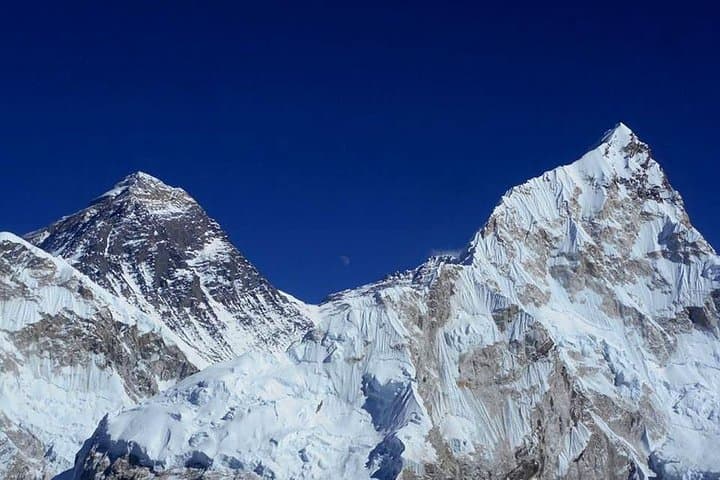


You step off a small twin‑prop plane and the mountains take over — air thin and bright, ridgelines cutting into the sky. The trail from Lukla climbs through rhododendron forest, slides past stone teahouses in Namche Bazaar, and then opens onto the gray, jagged world of the Khumbu Glacier. At dawn on Kala Patthar, Everest loosens its cloud hood and fills your field of view; the wind seems to rearrange the light to show every serac and serf of snow.
You step off a small twin‑prop plane and the mountains take over — air thin and bright, ridgelines cutting into the sky. The trail from Lukla climbs through rhododendron forest, slides past stone teahouses in Namche Bazaar, and then opens onto the gray, jagged world of the Khumbu Glacier. At dawn on Kala Patthar, Everest loosens its cloud hood and fills your field of view; the wind seems to rearrange the light to show every serac and serf of snow.
This is a route through living history: Sherpa trade routes that became pilgrimage and mountaineering highways after Hillary and Tenzing’s 1953 ascent. Geologically the Khumbu is a young, restless corner of the Himalaya — uplifted plates, active glaciers, and loose moraines that continue to move. Culture here is visible in prayer flags, mani stones, and monastery chants that mark rest days as much as altitude does.
Expect high‑altitude trekking with sustained climbs, daily hiking of 5–7 hours on well-worn paths, maximum nights above 3,500–5,500 m, and teahouse accommodation. The terrain varies from packed dirt and stone steps to glacial moraine near Base Camp. Plan for altitude acclimatization days, conservative pacing, and layered clothing for wide temperature swings.
Practical tips: carry a compact water filter and waste bags, be ready to replace footwear after long descents, and schedule arrival in Kathmandu a day earlier to sort permits and flights to Lukla. With respectful preparation, the trail rewards you with high passes, Sherpa hospitality, and a sunrise that makes every step feel earned.