THE ADVENTURE COLLECTIVE® · Independent discovery and booking for outdoor travel

A 12-day classic trek from Kathmandu to Everest Base Camp that blends high-altitude hiking, Sherpa culture, and glacier-carved scenery. Expect long days, lodge stays, and altitude as the defining challenge.
A 12-day classic trek from Kathmandu to Everest Base Camp that blends high-altitude hiking, Sherpa culture, and glacier-carved scenery. Expect long days, lodge stays, and altitude as the defining challenge.
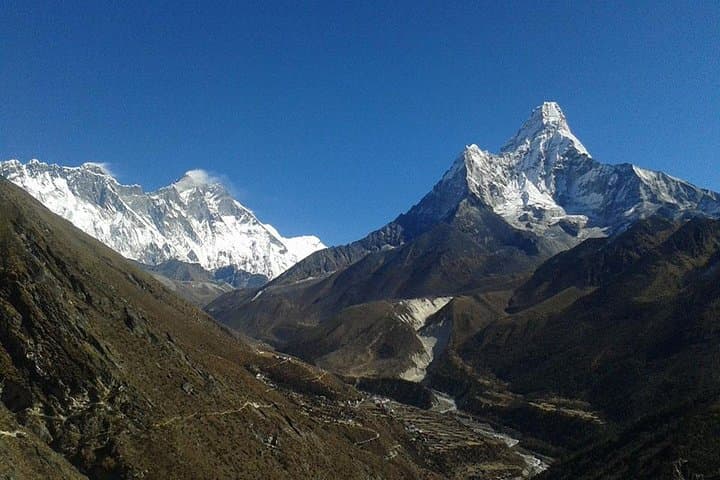
A cold wind pushes prayer flags into motion as the tiny runway at Lukla appears below — the real beginning of a journey that trades city noise for razor-sharp ridgelines and high Himalayan air. Hikers set out on stepped stone trails through fir and rhododendron, pass mani walls and small gompas, and climb toward Gorakshep where views of the Khumbu Icefall and the south face of Everest become brutally close and undeniably real.
Verified experiences and guided adventures in the surrounding area.
Operated by Recreation Holidays Pvt. Ltd. · Lukla, Province No. 1
A cold wind pushes prayer flags into motion as the tiny runway at Lukla appears below — the real beginning of a journey that trades city noise for razor-sharp ridgelines and high Himalayan air. Hikers set out on stepped stone trails through fir and rhododendron, pass mani walls and small gompas, and climb toward Gorakshep where views of the Khumbu Icefall and the south face of Everest become brutally close and undeniably real.
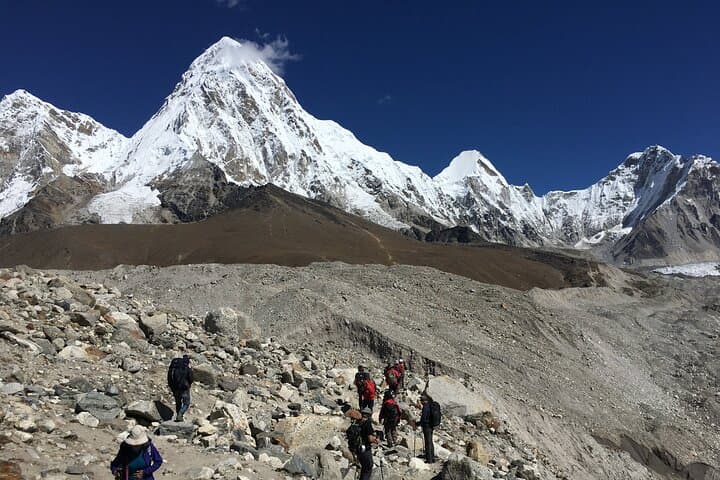
The route follows centuries of Sherpa trade and pilgrimage routes that developed around the Khumbu glacier. Geologically, the trek crosses young uplifted rock and moraine fields carved by glaciers descending from 8,000-meter peaks; cultural markers — prayer flags, chortens, and monastery murals — punctuate the landscape and offer insight into Tibetan-Buddhist life adapted to altitude.
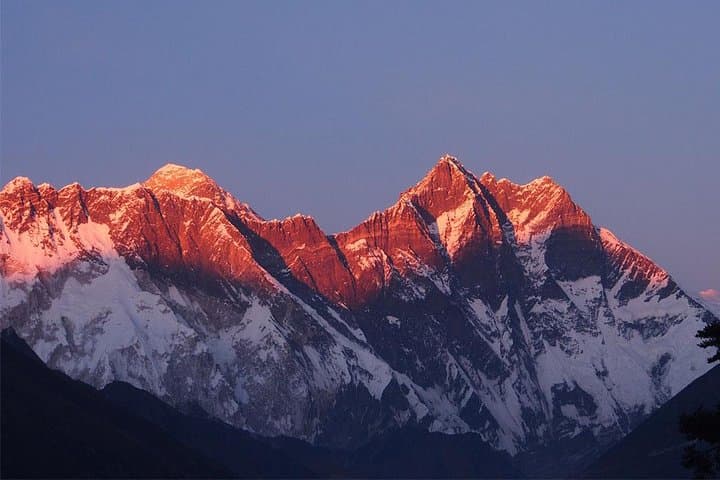
Expect long days on uneven, rocky trails with intermittent villages providing lodge accommodation and simple meals. Key high points include Namche Bazaar (first major acclimatization stop), Tengboche monastery, Lobuche, and the climb to Kala Patthar for the classic sunrise panorama. Altitude, not trail difficulty, is the main challenge: proper acclimatization days and conservative pacing are essential.
Practical guidance: pack layered clothing for freezing nights and strong sun by day, bring a water purification method, and train for repeated 4–8 hour walking days with elevation gain. Flights to/from Lukla are weather dependent; allow buffer days. Guided treks handle permits, transport, and lodge bookings and are recommended for first-timers. With preparation and respect for the mountain, the trek delivers one of the most raw and unforgettable high-altitude experiences on Earth.
challenging.
10–14 days.
Good aerobic fitness with experience on multi-day hikes; able to walk 4–8 hours per day carrying a daypack
Pre-monsoon spring (March–May) and post-monsoon autumn (September–November) offer the most stable weather and clearer mountain views.
A licensed guide is strongly recommended for permit handling, navigation, altitude management, and local logistics; many operators include a guide in package tours.
Trails are mostly non-technical but uneven, steep, and rocky; the main challenge is altitude rather than technical climbing.
No — flights are weather-dependent and can be delayed or canceled; plan spare days and consider a charter alternative if time-critical.
The Khumbu valley has long been a trading and pilgrimage corridor linking Nepal and Tibet; Sherpa communities established high-altitude settlements and mountaineering support networks in the 20th century.
Tourism pressures on trails, waste, and water in the Khumbu are managed through permit fees and porter/guide regulations; visitors should pack out trash and use lodges that follow waste-handling practices.
Recreation Holidays Pvt. Ltd. operates guided outdoor trips and adventures with an emphasis on safety, stewardship, and memorable experiences.
A cold wind pushes prayer flags into motion as the tiny runway at Lukla appears below — the real beginning of a journey that trades city noise for razor-sharp ridgelines and high Himalayan air. Hikers set out on stepped stone trails through fir and rhododendron, pass mani walls and small gompas, and climb toward Gorakshep where views of the Khumbu Icefall and the south face of Everest become brutally close and undeniably real.
A cold wind pushes prayer flags into motion as the tiny runway at Lukla appears below — the real beginning of a journey that trades city noise for razor-sharp ridgelines and high Himalayan air. Hikers set out on stepped stone trails through fir and rhododendron, pass mani walls and small gompas, and climb toward Gorakshep where views of the Khumbu Icefall and the south face of Everest become brutally close and undeniably real.
The route follows centuries of Sherpa trade and pilgrimage routes that developed around the Khumbu glacier. Geologically, the trek crosses young uplifted rock and moraine fields carved by glaciers descending from 8,000-meter peaks; cultural markers — prayer flags, chortens, and monastery murals — punctuate the landscape and offer insight into Tibetan-Buddhist life adapted to altitude.
Expect long days on uneven, rocky trails with intermittent villages providing lodge accommodation and simple meals. Key high points include Namche Bazaar (first major acclimatization stop), Tengboche monastery, Lobuche, and the climb to Kala Patthar for the classic sunrise panorama. Altitude, not trail difficulty, is the main challenge: proper acclimatization days and conservative pacing are essential.
Practical guidance: pack layered clothing for freezing nights and strong sun by day, bring a water purification method, and train for repeated 4–8 hour walking days with elevation gain. Flights to/from Lukla are weather dependent; allow buffer days. Guided treks handle permits, transport, and lodge bookings and are recommended for first-timers. With preparation and respect for the mountain, the trek delivers one of the most raw and unforgettable high-altitude experiences on Earth.