THE ADVENTURE COLLECTIVE® · Independent discovery and booking for outdoor travel

Walk from Lukla to Everest Base Camp on a 12-day teahouse trek through Sagarmatha National Park. Expect high-altitude stone trails, Sherpa culture, and dramatic summit panoramas—planned acclimatization and layers are essential.
Walk from Lukla to Everest Base Camp on a 12-day teahouse trek through Sagarmatha National Park. Expect high-altitude stone trails, Sherpa culture, and dramatic summit panoramas—planned acclimatization and layers are essential.
The trail opens with the clatter of a Lukla airstrip and the thin blue of Himalayan sky. Days fold into stone villages, prayer flags, and stairs carved where glaciers once pushed the valley floor; by the time you crest the moraine at Gorakshep the summit of Everest stares down in patient, icy detail.
Verified experiences and guided adventures in the surrounding area.
Operated by Above the Himalaya Trekking · Lukla, Province No. 1
The trail opens with the clatter of a Lukla airstrip and the thin blue of Himalayan sky. Days fold into stone villages, prayer flags, and stairs carved where glaciers once pushed the valley floor; by the time you crest the moraine at Gorakshep the summit of Everest stares down in patient, icy detail.
This classic 12-day teahouse trek follows the Khumbu Valley through Sagarmatha National Park, a UNESCO-protected landscape shaped by recent uplift and ancient ice. You pass Sherpa villages—Namche Bazaar’s trading bustle, Tengboche’s monastery perched like a lookout—and walk under towering faces of Lhotse, Nuptse and Ama Dablam. The route traces routes first used by sherpas and later by early exploration parties, including the era that led to Hillary and Tenzing’s 1953 success.
Practically, expect 4–7 hour trekking days on uneven stone steps and narrow ridgelines, progressive altitude gain to 5,364 m at Base Camp, and teahouse nights with simple food and shared rooms. Acclimatization days in Namche and short, slow ascents are built in to reduce acute mountain sickness risk.
Plan for sudden weather swings, sun and intense UV, and limited charging/phone access past Namche. Walk light but bring layers: a warm down jacket, sturdy ankle-support boots, a quality sleeping liner, and a hydration system with treatment. Guided groups typically include a trained guide, porters, permits (TIMS and Sagarmatha entry), and teahouse reservations—essential logistics that let you focus on pacing and the narrow, unforgettable views of the King of Mountains.
challenging.
12 days.
Good aerobic fitness with prior multi-day hiking experience; comfortable walking 4–7 hours on uneven terrain and at altitude.
Yes—Sagarmatha National Park entry and a TIMS card are required; most operators arrange these before departure.
Risk is real above 3,000 m; gradual ascent, rest days, hydration, and recognizing symptoms are key—guided groups often carry pulse oximeters and first-aid kits.
Spring (April–May) and autumn (September–November) offer the most stable weather and clear views; winter is cold with fewer services, summer monsoon brings clouds and trail erosion.
Most operators provide one porter per two trekkers who carry the main duffel (commonly up to ~15 kg); personal daypacks should contain water, layers, and essentials.
The Khumbu route weaves Sherpa cultural hubs and the path later followed by early mountaineers; the area is central to Nepal’s modern mountaineering history since the mid-20th century.
Sagarmatha National Park protects fragile alpine ecosystems; travelers are asked to minimize waste, avoid single-use plastics, and respect local water and wood resources.
Above the Himalaya Trekking operates guided outdoor trips and adventures with an emphasis on safety, stewardship, and memorable experiences.
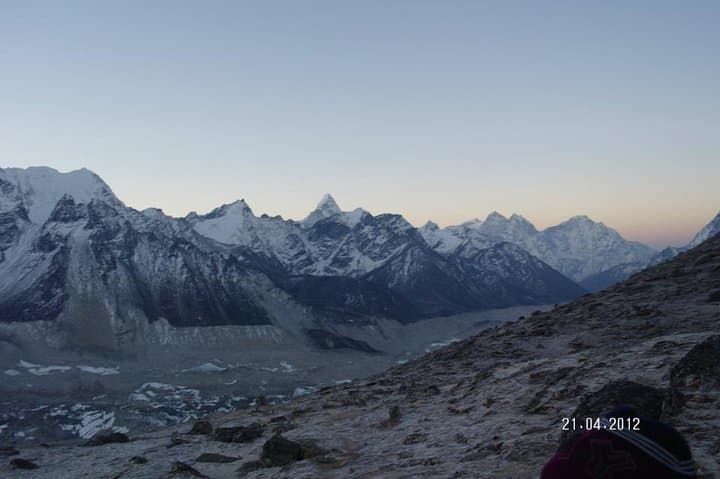
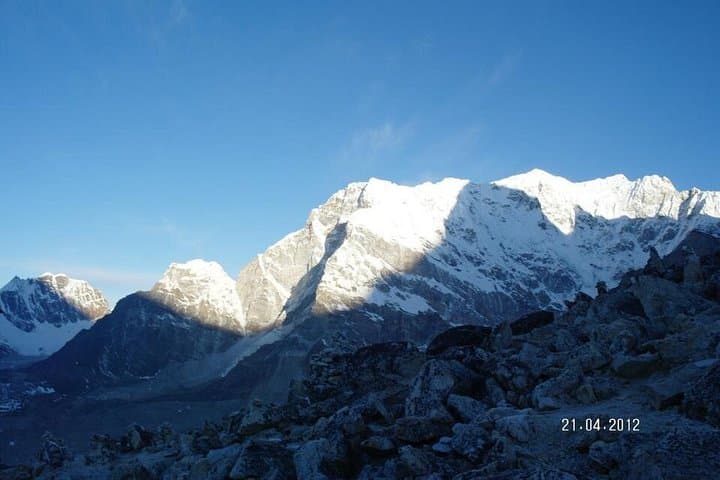
The trail opens with the clatter of a Lukla airstrip and the thin blue of Himalayan sky. Days fold into stone villages, prayer flags, and stairs carved where glaciers once pushed the valley floor; by the time you crest the moraine at Gorakshep the summit of Everest stares down in patient, icy detail.
The trail opens with the clatter of a Lukla airstrip and the thin blue of Himalayan sky. Days fold into stone villages, prayer flags, and stairs carved where glaciers once pushed the valley floor; by the time you crest the moraine at Gorakshep the summit of Everest stares down in patient, icy detail.
This classic 12-day teahouse trek follows the Khumbu Valley through Sagarmatha National Park, a UNESCO-protected landscape shaped by recent uplift and ancient ice. You pass Sherpa villages—Namche Bazaar’s trading bustle, Tengboche’s monastery perched like a lookout—and walk under towering faces of Lhotse, Nuptse and Ama Dablam. The route traces routes first used by sherpas and later by early exploration parties, including the era that led to Hillary and Tenzing’s 1953 success.
Practically, expect 4–7 hour trekking days on uneven stone steps and narrow ridgelines, progressive altitude gain to 5,364 m at Base Camp, and teahouse nights with simple food and shared rooms. Acclimatization days in Namche and short, slow ascents are built in to reduce acute mountain sickness risk.
Plan for sudden weather swings, sun and intense UV, and limited charging/phone access past Namche. Walk light but bring layers: a warm down jacket, sturdy ankle-support boots, a quality sleeping liner, and a hydration system with treatment. Guided groups typically include a trained guide, porters, permits (TIMS and Sagarmatha entry), and teahouse reservations—essential logistics that let you focus on pacing and the narrow, unforgettable views of the King of Mountains.