THE ADVENTURE COLLECTIVE® · Independent discovery and booking for outdoor travel

A 12‑day, fly‑in trek from Lukla to Everest Base Camp and Kala Patthar that combines high‑altitude glacier travel, Sherpa culture and panoramic summit views—structured for acclimatization and accessible via tea houses along the route.
A 12‑day, fly‑in trek from Lukla to Everest Base Camp and Kala Patthar that combines high‑altitude glacier travel, Sherpa culture and panoramic summit views—structured for acclimatization and accessible via tea houses along the route.
A low, rocky ridge peels back under the small plane as you bank into Lukla; the Himalaya looms and already the air tastes thinner. From Lukla’s tiny runway the trail drops into river valleys, threads through Sherpa villages and climbs toward prayer-flagged passes where wind and light shape the peaks.
Verified experiences and guided adventures in the surrounding area.
Operated by Annapurna Encounter · Lukla, Province No. 1
A low, rocky ridge peels back under the small plane as you bank into Lukla; the Himalaya looms and already the air tastes thinner. From Lukla’s tiny runway the trail drops into river valleys, threads through Sherpa villages and climbs toward prayer-flagged passes where wind and light shape the peaks.
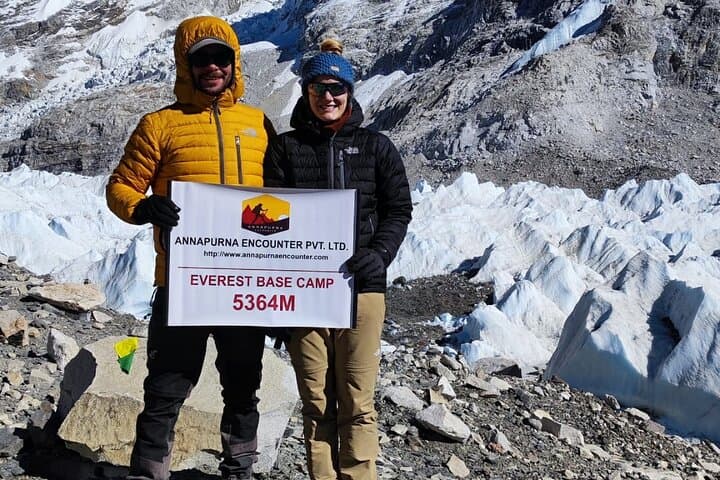
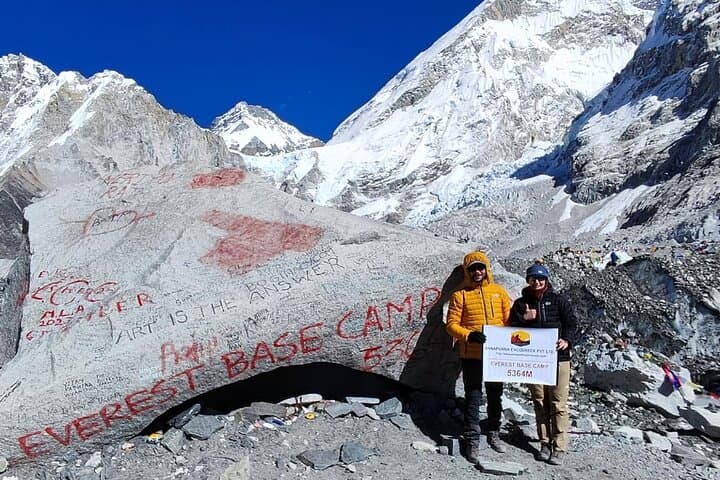
This classic 12‑day route moves through Sagarmatha National Park (a UNESCO site since 1979), past Tengboche Monastery, and up moraine to Gorakshep and Everest Base Camp (5,364 m), with a dawn hike to Kalapathar (5,545 m) for the clearest view of Everest. Geologically the Khumbu is a young, tectonically raised landscape of glacial moraine, glaciers and steep cirques; culturally it’s Sherpa country—trading posts, mani stones and monasteries mark centuries of adaptation to high altitudes.
Expect tea houses and basic lodgings, shared meals and variable weather: warm days, freezing nights, and sudden wind-driven snow above 4,000 m. The trek emphasizes acclimatization—rest days at Namche and Dingboche are built into the itinerary for a reason.
Practically, fly‑in/out via Lukla on weather-dependent flights, carry layered clothing, a rated sleeping bag, and an oximeter if you’re monitoring acclimatization. Hydrate early, move deliberately on scree and moraine, and be prepared to accept schedule changes when the mountains dictate them. With proper fitness, respect for altitude, and a licensed guide, this route delivers one of the most direct, visceral encounters with Everest’s high country.
challenging.
11–12 days.
Good cardiovascular fitness and experience with multi‑day hiking at altitude; ability to carry a daypack and walk 4–7 hours on uneven terrain.
Yes—Sagarmatha National Park entry permit and a TIMS card are required; your operator will usually arrange these.
Pre‑monsoon spring (Mar–May) and post‑monsoon fall (Sep–Nov) offer the most stable weather and best views.
No—this is a high‑altitude walk; you should be fit and prepared for glacier‑fringe terrain but no technical mountaineering gear is required for the standard route.
Flights are scenic but weather‑sensitive and can be delayed or cancelled; factor cushion days into travel plans and remain flexible.
The Khumbu has long been Sherpa homeland; Sagarmatha National Park was established in 1976 and listed as a UNESCO World Heritage Site in 1979, and the area has been central to Nepal’s mountaineering history since Hillary and Tenzing’s 1953 ascent.
Permits fund park management; trekkers should minimize waste, use vetted tea houses, and carry out non‑biodegradable trash when possible to reduce impact on fragile alpine zones.
Annapurna Encounter operates guided outdoor trips and adventures with an emphasis on safety, stewardship, and memorable experiences.
A low, rocky ridge peels back under the small plane as you bank into Lukla; the Himalaya looms and already the air tastes thinner. From Lukla’s tiny runway the trail drops into river valleys, threads through Sherpa villages and climbs toward prayer-flagged passes where wind and light shape the peaks.
A low, rocky ridge peels back under the small plane as you bank into Lukla; the Himalaya looms and already the air tastes thinner. From Lukla’s tiny runway the trail drops into river valleys, threads through Sherpa villages and climbs toward prayer-flagged passes where wind and light shape the peaks.
This classic 12‑day route moves through Sagarmatha National Park (a UNESCO site since 1979), past Tengboche Monastery, and up moraine to Gorakshep and Everest Base Camp (5,364 m), with a dawn hike to Kalapathar (5,545 m) for the clearest view of Everest. Geologically the Khumbu is a young, tectonically raised landscape of glacial moraine, glaciers and steep cirques; culturally it’s Sherpa country—trading posts, mani stones and monasteries mark centuries of adaptation to high altitudes.
Expect tea houses and basic lodgings, shared meals and variable weather: warm days, freezing nights, and sudden wind-driven snow above 4,000 m. The trek emphasizes acclimatization—rest days at Namche and Dingboche are built into the itinerary for a reason.
Practically, fly‑in/out via Lukla on weather-dependent flights, carry layered clothing, a rated sleeping bag, and an oximeter if you’re monitoring acclimatization. Hydrate early, move deliberately on scree and moraine, and be prepared to accept schedule changes when the mountains dictate them. With proper fitness, respect for altitude, and a licensed guide, this route delivers one of the most direct, visceral encounters with Everest’s high country.