THE ADVENTURE COLLECTIVE® · Independent discovery and booking for outdoor travel

Fly into Lukla, walk past rhododendron forests and suspension bridges, and climb toward the glacial amphitheatre beneath Everest. This 10–14 day trek balances cultural stops, staged acclimatization, and high-altitude exposure en route to Everest Base Camp and Kala Patthar.
Fly into Lukla, walk past rhododendron forests and suspension bridges, and climb toward the glacial amphitheatre beneath Everest. This 10–14 day trek balances cultural stops, staged acclimatization, and high-altitude exposure en route to Everest Base Camp and Kala Patthar.
Book with Outfitter Nepal
Book directly with Outfitter Nepal for the best rates and real-time scheduling.
Reserve NowVerified experiences and guided adventures in the surrounding area.
Operated by Outfitter Nepal · Namche Bazaar, Solukhumbu District, Province No. 1
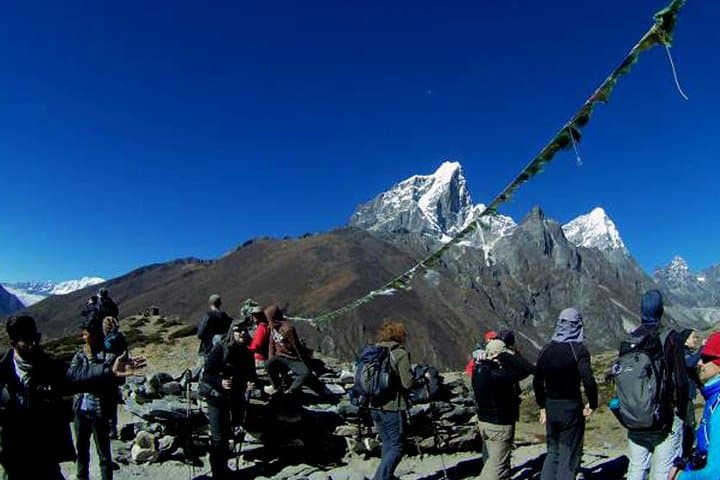
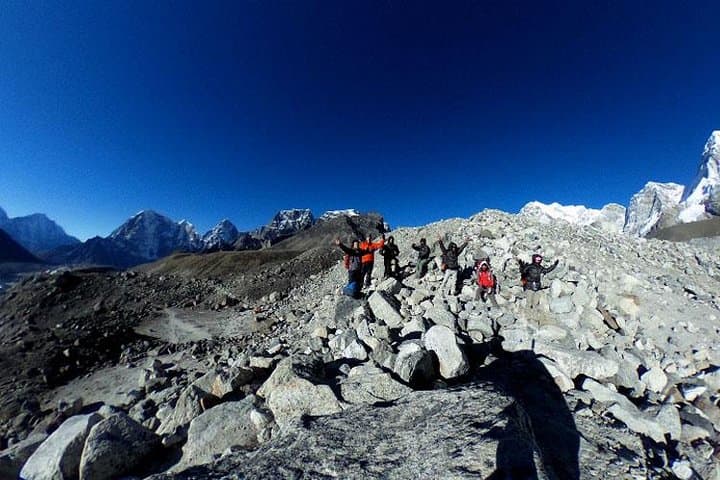
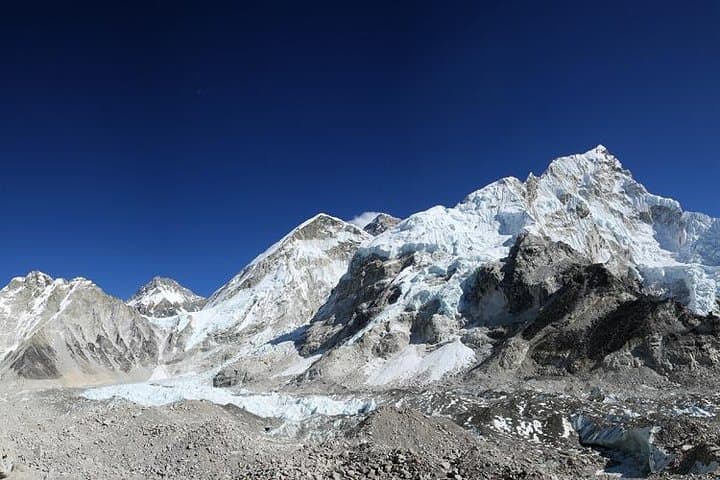
The trail opens with the thin roar of propellers in Lukla and the sharp, cold air that punches your lungs the moment you step out of the plane. From there the route threads rhododendron forests and suspension bridges across the Dudh Koshi, climbing in staged daily gains toward the grey, wind-scoured amphitheatre of Gorakshep and the ice-scarred moraine below Everest. Snow and rock command the skyline; the Khumbu Glacier pushes forward like an ancient river of stone.
challenging.
10–14 days.
Good aerobic fitness and stamina for consecutive uphill days; ability to hike 4–7 hours on rough terrain while carrying a daypack.
No technical climbing skills are required; the route is a high-altitude trek but involves no glacier travel with ropes—fitness and acclimatization are the priorities.
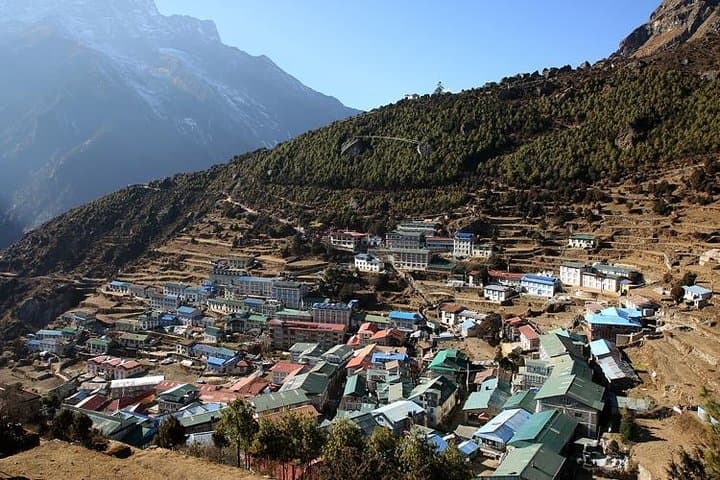
Typical itineraries run 10–14 days from Lukla return, allowing for at least two acclimatization days (Namche, Dingboche) to reduce altitude risk.
Teahouses provide boiled or filtered water for purchase; use a purifier or iodine tablets if refilling from streams to be safe.
Headache, nausea, dizziness and reduced exercise tolerance are early signs of acute mountain sickness—descend and seek medical care if symptoms worsen or breathing becomes difficult.
Sherpa communities have inhabited the Khumbu for centuries; Tengboche Monastery (rebuilt after the 1934 earthquake) is a cultural hub linked to early mountaineering history.
The Khumbu faces waste and water pressure from high visitor numbers—support lodges with eco policies, pack out plastics where possible, and use local services to sustain the community.
Outfitter Nepal operates guided outdoor trips and adventures with an emphasis on safety, stewardship, and memorable experiences.
Book with Outfitter Nepal
Book directly with Outfitter Nepal for the best rates and real-time scheduling.
Reserve Now