THE ADVENTURE COLLECTIVE® · Independent discovery and booking for outdoor travel

A 12‑day, high‑altitude trek from Lukla to Everest Base Camp with a pre‑sunrise climb of Kala Patthar for the best summit views. Expect long days, simple teahouse lodging, and variable mountain weather—this is altitude more than technical climbing.
A 12‑day, high‑altitude trek from Lukla to Everest Base Camp with a pre‑sunrise climb of Kala Patthar for the best summit views. Expect long days, simple teahouse lodging, and variable mountain weather—this is altitude more than technical climbing.
The morning flight into Lukla drops you into thin air and a runway that seems to challenge gravity itself. From here the trail threads river gullies and rhododendron slopes, climbing through Sherpa villages whose prayer flags snap like small flags of defiance against the cold. By day six the wind on the moraine feels purposeful—pushing you toward Gorakshep and the ragged contour of Everest Base Camp; before dawn on Kala Patthar, the mountain meets you with hard, clean light.
Verified experiences and guided adventures in the surrounding area.
Operated by NEPAL LION TOURS AND TREKS PVT LTD · Gorak Shep, Solukhumbu
The morning flight into Lukla drops you into thin air and a runway that seems to challenge gravity itself. From here the trail threads river gullies and rhododendron slopes, climbing through Sherpa villages whose prayer flags snap like small flags of defiance against the cold. By day six the wind on the moraine feels purposeful—pushing you toward Gorakshep and the ragged contour of Everest Base Camp; before dawn on Kala Patthar, the mountain meets you with hard, clean light.
This route runs through Sagarmatha (Everest) National Park, created in the 1970s to protect high‑altitude ecosystems and Sherpa cultural sites. Geologically you move from glacial moraines to exposed rock and ice as the trail follows the Khumbu Glacier; culturally, tea houses and monasteries mark centuries of Himalayan life and trade.
Expect a pilgrimage of distance and altitude—about 130 km round trip with a maximum altitude near 5,554 m on Kala Patthar. Terrain alternates packed dirt, stone steps, moraine and occasional scree; altitude is the real technical factor rather than technical climbing skills.
Practical guidance: pace conservatively, build in acclimatization days at Namche and Dingboche, and carry extra layers and a reliable water‑treatment system. Morning flights to Lukla are weather‑dependent—allow buffer days. Use local guides and porters when possible; they know route conditions and village reservations. Hydrate early, snack often, and respect local customs and sacred sites you pass—these details keep the trek safe and deeply rewarding.
challenging.
12 days.
Requires strong cardiovascular fitness, prior multi‑day hiking experience, and ability to hike 5–7 hours daily at altitude
Yes—trekkers need a Sagarmatha National Park entry permit and either a TIMS card or equivalent authorization arranged through your operator.
Weather frequently disrupts Lukla flights—morning windows are best but cancellations happen; plan extra buffer days.
No technical climbing is required for the standard EBC route and Kala Patthar; the challenge is altitude and endurance rather than technical skills.
Basic teahouse lodges supply a bed, simple meals (rice, dal, noodles) and hot drinks; bring snacks and cash for extras and charging.
The Khumbu region is Sherpa homeland and was incorporated into Sagarmatha National Park in the 1970s; mountaineering history here is tied to mid‑20th century Everest expeditions.
Trail erosion, human waste, and single‑use plastics are ongoing issues—use refillable containers, pack out trash, and follow local waste rules to reduce impact.
NEPAL LION TOURS AND TREKS PVT LTD operates guided outdoor trips and adventures with an emphasis on safety, stewardship, and memorable experiences.
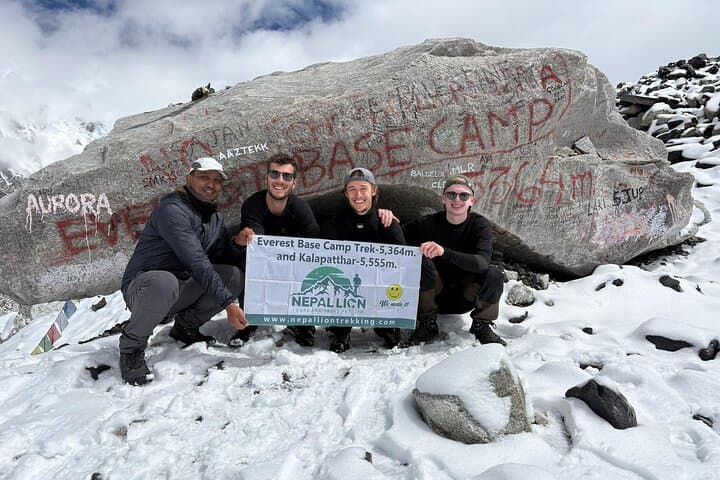
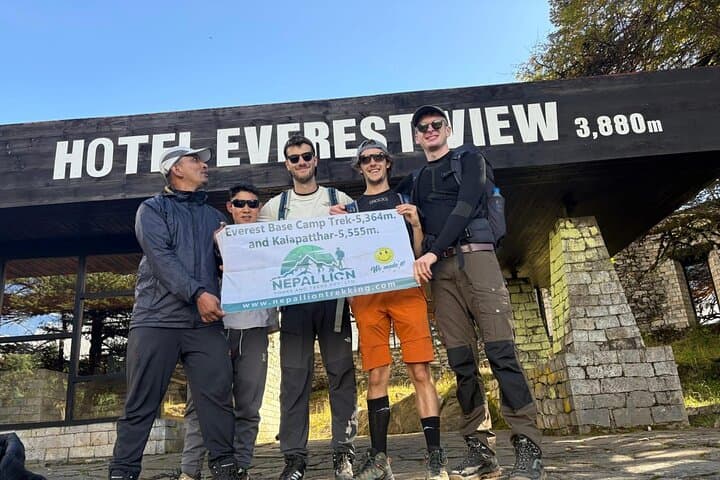
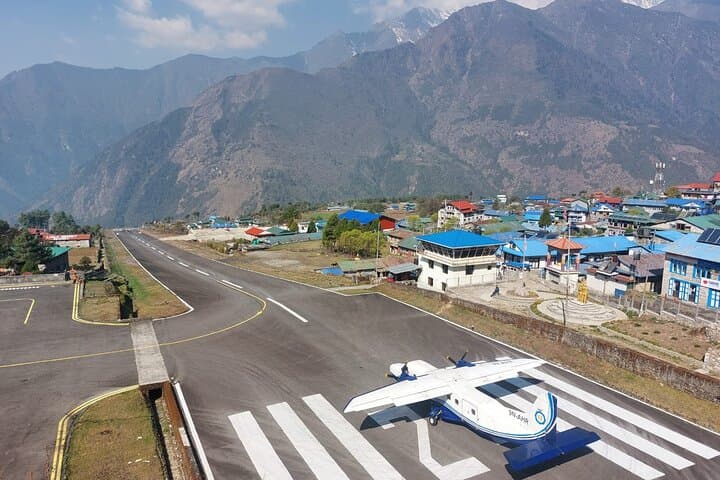
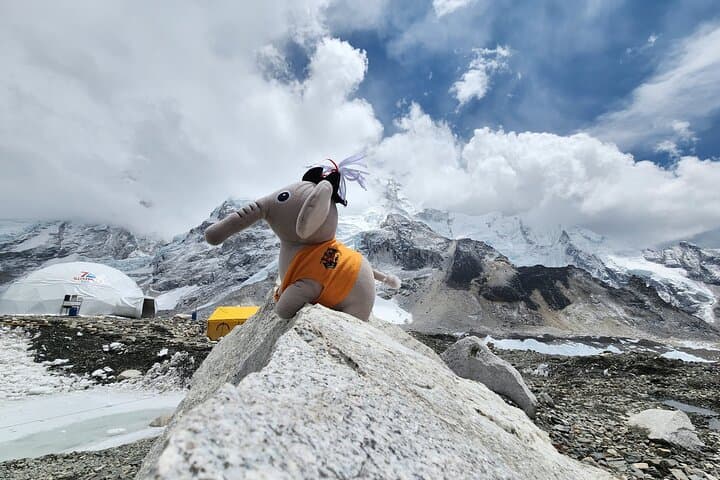
The morning flight into Lukla drops you into thin air and a runway that seems to challenge gravity itself. From here the trail threads river gullies and rhododendron slopes, climbing through Sherpa villages whose prayer flags snap like small flags of defiance against the cold. By day six the wind on the moraine feels purposeful—pushing you toward Gorakshep and the ragged contour of Everest Base Camp; before dawn on Kala Patthar, the mountain meets you with hard, clean light.
The morning flight into Lukla drops you into thin air and a runway that seems to challenge gravity itself. From here the trail threads river gullies and rhododendron slopes, climbing through Sherpa villages whose prayer flags snap like small flags of defiance against the cold. By day six the wind on the moraine feels purposeful—pushing you toward Gorakshep and the ragged contour of Everest Base Camp; before dawn on Kala Patthar, the mountain meets you with hard, clean light.
This route runs through Sagarmatha (Everest) National Park, created in the 1970s to protect high‑altitude ecosystems and Sherpa cultural sites. Geologically you move from glacial moraines to exposed rock and ice as the trail follows the Khumbu Glacier; culturally, tea houses and monasteries mark centuries of Himalayan life and trade.
Expect a pilgrimage of distance and altitude—about 130 km round trip with a maximum altitude near 5,554 m on Kala Patthar. Terrain alternates packed dirt, stone steps, moraine and occasional scree; altitude is the real technical factor rather than technical climbing skills.
Practical guidance: pace conservatively, build in acclimatization days at Namche and Dingboche, and carry extra layers and a reliable water‑treatment system. Morning flights to Lukla are weather‑dependent—allow buffer days. Use local guides and porters when possible; they know route conditions and village reservations. Hydrate early, snack often, and respect local customs and sacred sites you pass—these details keep the trek safe and deeply rewarding.