THE ADVENTURE COLLECTIVE® · Independent discovery and booking for outdoor travel

Follow the classic 12-day Everest Base Camp route from Lukla to Kala Patthar and EBC. This guide outlines what to expect on trail, cultural touchpoints, and practical tips for high-altitude trekking in the Khumbu.
Follow the classic 12-day Everest Base Camp route from Lukla to Kala Patthar and EBC. This guide outlines what to expect on trail, cultural touchpoints, and practical tips for high-altitude trekking in the Khumbu.
A thin, cold light edges the ridgelines as you step off the tiny Lukla airstrip; prayer flags flap and the valley exhales beneath you. The trail climbs and falls like a living map — rhododendron forests give way to stony moraine, and the wind dares you higher toward glaciers that hold the planet's oldest weather. By the time Kala Patthar reveals Everest, the mountain seems to lean in, massive and quiet.
Verified experiences and guided adventures in the surrounding area.
Operated by Trekking Organizer Company in Nepal · Lukla, Province No. 1
A thin, cold light edges the ridgelines as you step off the tiny Lukla airstrip; prayer flags flap and the valley exhales beneath you. The trail climbs and falls like a living map — rhododendron forests give way to stony moraine, and the wind dares you higher toward glaciers that hold the planet's oldest weather. By the time Kala Patthar reveals Everest, the mountain seems to lean in, massive and quiet.
This route traces corridors used by Tibetan traders and Sherpa communities for centuries and runs through Sagarmatha (Everest) National Park, a UNESCO World Heritage site. Geology here is raw: uplifted sedimentary layers thrust skyward, glaciers carving sharp ridges and depositional moraines that shape the path. Sherpa culture punctuates the journey — chortens, mani walls, and monasteries like Tengboche offer spiritual pauses and a window into Himalayan life.
Expect sustained elevation gain, thin air above 4,000 m, and variable weather that can shift from sun to snow in hours. Acclimatization days (Namche, Dingboche) are built into sensible itineraries; your pace and hydration matter more than speed. Practicalities: flights to/from Lukla can be delayed by wind, so allow buffer days; carry layered clothing, a good down jacket, and footwear with ankle support; bring cash for teahouses and permits (TIMS, Sagarmatha NP fee). Treat local ecosystems respectfully: stick to established trails, pack out waste, and follow guide instructions on altitude safety. The Everest Base Camp trek is strenuous, elemental, and precise — a place where planning and patience turn a demanding route into an unforgettable ascent of perspective.
challenging.
10–12 days.
Good cardiovascular fitness with experience on day hikes and multi-day treks; ability to carry a 10–14 kg pack
No technical climbing skills are required for the standard EBC trek; this is high-altitude trekking on marked trails guided by local crews.
You need a TIMS card and Sagarmatha National Park permit; guides or operators typically arrange these before departure.
Acute mountain sickness is a real risk above 3,000–4,000 m; follow acclimatization schedules, hydrate, and communicate symptoms to your guide immediately.
Flights run year-round but are most reliable in spring (March–May) and autumn (September–November); winter and monsoon seasons have higher cancellation rates.
Sherpa trade routes and Tibetan salt caravans shaped trails here; the area gained mountaineering prominence after Hillary and Norgay’s 1953 summit and the establishment of Sagarmatha National Park in 1979.
The region depends on responsible trekking—many operators and lodges now follow waste management protocols and support local conservation; trekkers should pack out non-biodegradable waste and use established facilities.
Trekking Organizer Company in Nepal operates guided outdoor trips and adventures with an emphasis on safety, stewardship, and memorable experiences.
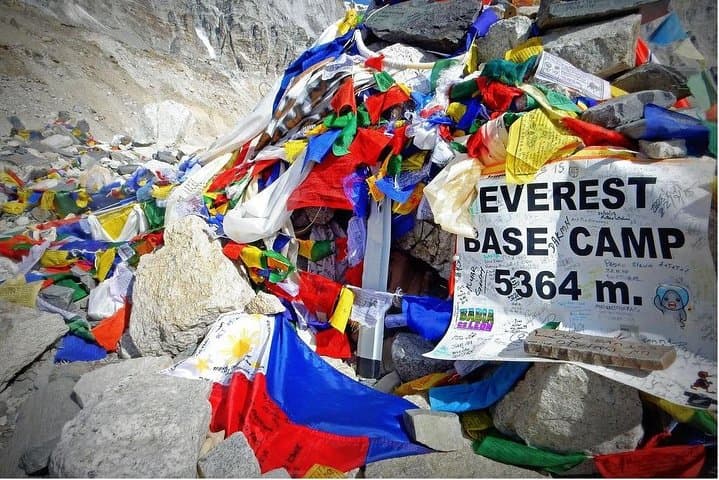


A thin, cold light edges the ridgelines as you step off the tiny Lukla airstrip; prayer flags flap and the valley exhales beneath you. The trail climbs and falls like a living map — rhododendron forests give way to stony moraine, and the wind dares you higher toward glaciers that hold the planet's oldest weather. By the time Kala Patthar reveals Everest, the mountain seems to lean in, massive and quiet.
A thin, cold light edges the ridgelines as you step off the tiny Lukla airstrip; prayer flags flap and the valley exhales beneath you. The trail climbs and falls like a living map — rhododendron forests give way to stony moraine, and the wind dares you higher toward glaciers that hold the planet's oldest weather. By the time Kala Patthar reveals Everest, the mountain seems to lean in, massive and quiet.
This route traces corridors used by Tibetan traders and Sherpa communities for centuries and runs through Sagarmatha (Everest) National Park, a UNESCO World Heritage site. Geology here is raw: uplifted sedimentary layers thrust skyward, glaciers carving sharp ridges and depositional moraines that shape the path. Sherpa culture punctuates the journey — chortens, mani walls, and monasteries like Tengboche offer spiritual pauses and a window into Himalayan life.
Expect sustained elevation gain, thin air above 4,000 m, and variable weather that can shift from sun to snow in hours. Acclimatization days (Namche, Dingboche) are built into sensible itineraries; your pace and hydration matter more than speed. Practicalities: flights to/from Lukla can be delayed by wind, so allow buffer days; carry layered clothing, a good down jacket, and footwear with ankle support; bring cash for teahouses and permits (TIMS, Sagarmatha NP fee). Treat local ecosystems respectfully: stick to established trails, pack out waste, and follow guide instructions on altitude safety. The Everest Base Camp trek is strenuous, elemental, and precise — a place where planning and patience turn a demanding route into an unforgettable ascent of perspective.