THE ADVENTURE COLLECTIVE® · Independent discovery and booking for outdoor travel

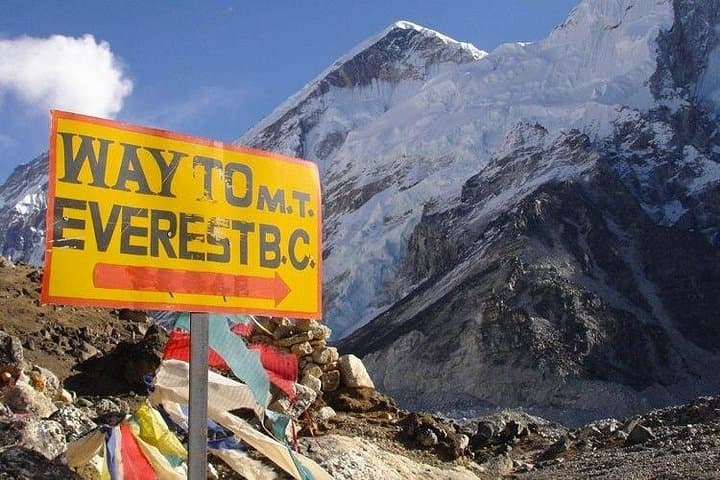
A 12-day guided trek from Lukla to Everest Base Camp with a helicopter return from Gorakshep. Expect high-altitude hiking, teahouse nights, mandated acclimatization, and dramatic sunrise views from Kala Pattar.
A 12-day guided trek from Lukla to Everest Base Camp with a helicopter return from Gorakshep. Expect high-altitude hiking, teahouse nights, mandated acclimatization, and dramatic sunrise views from Kala Pattar.
You step off the tiny Lukla airstrip into thin, crisp air and the trail immediately climbs, threading through rhododendron-scented forest and a web of suspension bridges that sway above the churn of the Dudh Kosi. Each day unfolds with a new skyline: first the market bustle of Namche Bazaar, then the prayer-flagged ridgeline at Tengboche, and finally the gray moraine and scattered tents around Gorakshep where the Khumbu Glacier grinds relentlessly downhill.
Verified experiences and guided adventures in the surrounding area.
Operated by Eve Holidays · Kathmandu, Bagmati Province
You step off the tiny Lukla airstrip into thin, crisp air and the trail immediately climbs, threading through rhododendron-scented forest and a web of suspension bridges that sway above the churn of the Dudh Kosi. Each day unfolds with a new skyline: first the market bustle of Namche Bazaar, then the prayer-flagged ridgeline at Tengboche, and finally the gray moraine and scattered tents around Gorakshep where the Khumbu Glacier grinds relentlessly downhill.
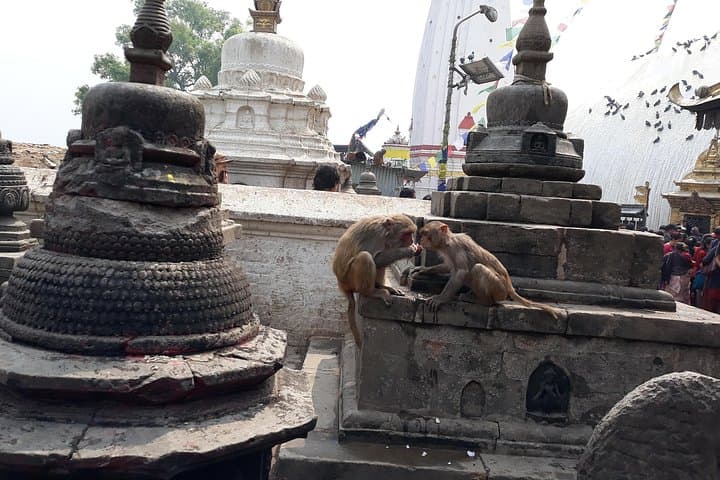
This route follows centuries of trade and Sherpa pilgrimage through Sagarmatha National Park, a UNESCO-protected high-altitude landscape carved by glaciation and uplift. Villages such as Khumjung and Pangboche show living traditions — monasteries, mani stones and tea houses that host climbers and yak caravans alike.
Expect 4–9 hours walking per day, sustained ascent from Lukla (~2,800 m) to Everest Base Camp (~5,364 m) with critical acclimatization stops in Namche and Dingboche. Terrain alternates packed trail, rocky moraines and steep stone steps; weather can flip from clear sun to wind-driven snow.
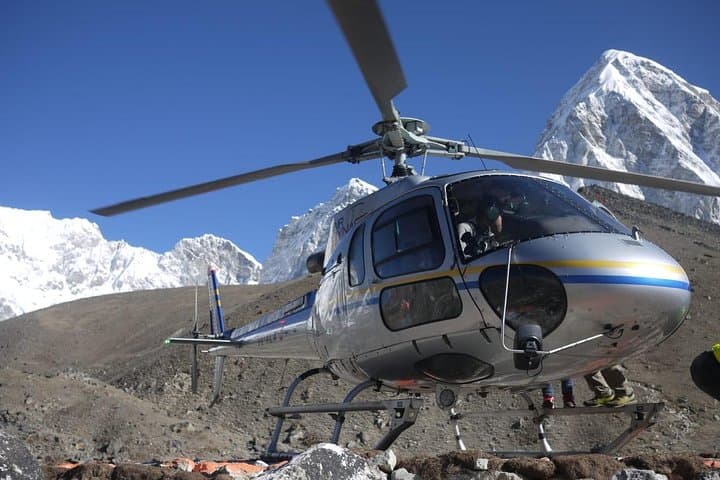
Practical: carry a layered system, hydrate deliberately and allow the planned acclimatization days to work. Flights to/from Lukla are weather-dependent; the helicopter return from Gorakshep to Lukla speeds the descent but is also subject to conditions and weight limits. Tea houses provide hot meals and basic lodging but bring cash and a warm sleeping liner even if a sleeping bag is included. Permits and Sagarmatha National Park fees are required and typically handled by the operator. The payoff is uncompromised: a sunrise from Kala Patthar that puts Everest, Lhotse and Nuptse in stark relief — a high-altitude achievement that reads equal parts cultural journey and alpine expedition.
challenging.
12 days.
Good aerobic fitness and experience on multi-day mountain hikes; ability to sleep and perform at altitude is essential.
Yes — Sagarmatha National Park entry and TIMS permits are required and usually arranged by the operator.
Most days are 4–9 hours with variable elevation gain; some days are short for acclimatization while others include steady climbs.
No — helicopter flights are weather- and visibility-dependent; operators will plan for alternatives if flights are canceled.
You’ll reach around 5,364 m at Base Camp and 5,545 m at Kala Pattar; the itinerary includes rest and acclimatization days in Namche and Dingboche to reduce AMS risk.
The trek runs through Sagarmatha National Park, established to protect the Khumbu's unique glacial landscapes and Sherpa culture; the area gained UNESCO status in 1979.
Park fees fund conservation; minimize impact by packing out non-biodegradable waste, avoiding single-use plastics and supporting local teahouses.
Eve Holidays operates guided outdoor trips and adventures with an emphasis on safety, stewardship, and memorable experiences.
You step off the tiny Lukla airstrip into thin, crisp air and the trail immediately climbs, threading through rhododendron-scented forest and a web of suspension bridges that sway above the churn of the Dudh Kosi. Each day unfolds with a new skyline: first the market bustle of Namche Bazaar, then the prayer-flagged ridgeline at Tengboche, and finally the gray moraine and scattered tents around Gorakshep where the Khumbu Glacier grinds relentlessly downhill.
You step off the tiny Lukla airstrip into thin, crisp air and the trail immediately climbs, threading through rhododendron-scented forest and a web of suspension bridges that sway above the churn of the Dudh Kosi. Each day unfolds with a new skyline: first the market bustle of Namche Bazaar, then the prayer-flagged ridgeline at Tengboche, and finally the gray moraine and scattered tents around Gorakshep where the Khumbu Glacier grinds relentlessly downhill.
This route follows centuries of trade and Sherpa pilgrimage through Sagarmatha National Park, a UNESCO-protected high-altitude landscape carved by glaciation and uplift. Villages such as Khumjung and Pangboche show living traditions — monasteries, mani stones and tea houses that host climbers and yak caravans alike.
Expect 4–9 hours walking per day, sustained ascent from Lukla (~2,800 m) to Everest Base Camp (~5,364 m) with critical acclimatization stops in Namche and Dingboche. Terrain alternates packed trail, rocky moraines and steep stone steps; weather can flip from clear sun to wind-driven snow.
Practical: carry a layered system, hydrate deliberately and allow the planned acclimatization days to work. Flights to/from Lukla are weather-dependent; the helicopter return from Gorakshep to Lukla speeds the descent but is also subject to conditions and weight limits. Tea houses provide hot meals and basic lodging but bring cash and a warm sleeping liner even if a sleeping bag is included. Permits and Sagarmatha National Park fees are required and typically handled by the operator. The payoff is uncompromised: a sunrise from Kala Patthar that puts Everest, Lhotse and Nuptse in stark relief — a high-altitude achievement that reads equal parts cultural journey and alpine expedition.