THE ADVENTURE COLLECTIVE® · Independent discovery and booking for outdoor travel

A 12-day guided traverse from Kathmandu to Everest Base Camp via Lukla, Namche and Gorakshep that combines high-altitude panoramas, Sherpa culture and carefully staged acclimatization. Expect rocky trails, tea-house nights and dramatic mountain viewpoints like Kala Patthar.
A 12-day guided traverse from Kathmandu to Everest Base Camp via Lukla, Namche and Gorakshep that combines high-altitude panoramas, Sherpa culture and carefully staged acclimatization. Expect rocky trails, tea-house nights and dramatic mountain viewpoints like Kala Patthar.
You step onto the tarmac at Lukla and the Himalayan morning pulls tight around you — the runway perched on a ridge, prayer flags flapping like a warning and a welcome at once. From that first thirty-minute flight the mountains take over: sharp ridgelines, hanging glaciers and the Dudh Koshi daring you across its bridges.
Verified experiences and guided adventures in the surrounding area.
Operated by My Dream Adventure (MDA) · Kathmandu, Province No. 1
You step onto the tarmac at Lukla and the Himalayan morning pulls tight around you — the runway perched on a ridge, prayer flags flapping like a warning and a welcome at once. From that first thirty-minute flight the mountains take over: sharp ridgelines, hanging glaciers and the Dudh Koshi daring you across its bridges.
This 12-day itinerary threads classic Khumbu villages — Phakding, Namche Bazaar, Tengboche, Dingboche, Lobuche, Gorakshep — on trails shaped by moraines, yak tracks and centuries of Sherpa passage. Geologically the route follows uplifted schists and glacial tills below the high ice of the Khumbu Glacier; Kala Patthar (≈5,555 m) and Everest Base Camp (≈5,364 m) offer the clearest windows on Everest, Lhotse and Nuptse. Culturally the trek moves through Sherpa communities anchored by Buddhist monasteries and mani walls; permits (TIMS and Sagarmatha National Park) regulate access and protect this landscape.
Practically, expect long days of steady uphill sections, rocky scree above 4,500 m and tea-house accommodation with basic hot-water systems. Two acclimatization days (Namche and Dingboche) are built into the plan for safe ascent. Weather can swing from bright sun to fierce winds; the Lukla flight is scenic but weather-dependent. Hydration, layered insulation, sturdy boots and sun protection are non-negotiable. Carry a copy of your passport for permits and be prepared to move slowly on high-altitude mornings — your pace, not pride, gets you to Base Camp. When the sunrise bleaches Everest, the range feels less like a backdrop and more like a living thing that will not be rushed.
challenging.
12 days.
Good aerobic fitness with regular hiking or cardio training; ability to carry a 8–12 kg daypack and hike 5–8 hours daily at altitude.
Yes — you need a TIMS card and Sagarmatha National Park entry permit; tour operators typically arrange these using your passport details.
No — the standard EBC trek requires endurance at altitude but no technical mountaineering skills; routes to the base camp are non-technical walking trails and moraines.
Daily walking typically ranges 4–8 hours; the itinerary reaches Kala Patthar (~5,555 m) and Everest Base Camp (~5,364 m), so altitude is the primary challenge.
Spring (March–May) and fall (September–November) offer the clearest weather and stable conditions; monsoon and winter bring heavy precipitation or extreme cold, respectively.
The Khumbu has been a Sherpa homeland for centuries; trade paths and monasteries here supported traders and early mountaineering expeditions, including the 1953 Everest era routes.
Sagarmatha National Park protects fragile alpine ecosystems; stick to marked trails, avoid single-use plastics and use established tea houses to minimize impact.
My Dream Adventure (MDA) operates guided outdoor trips and adventures with an emphasis on safety, stewardship, and memorable experiences.
You step onto the tarmac at Lukla and the Himalayan morning pulls tight around you — the runway perched on a ridge, prayer flags flapping like a warning and a welcome at once. From that first thirty-minute flight the mountains take over: sharp ridgelines, hanging glaciers and the Dudh Koshi daring you across its bridges.
You step onto the tarmac at Lukla and the Himalayan morning pulls tight around you — the runway perched on a ridge, prayer flags flapping like a warning and a welcome at once. From that first thirty-minute flight the mountains take over: sharp ridgelines, hanging glaciers and the Dudh Koshi daring you across its bridges.
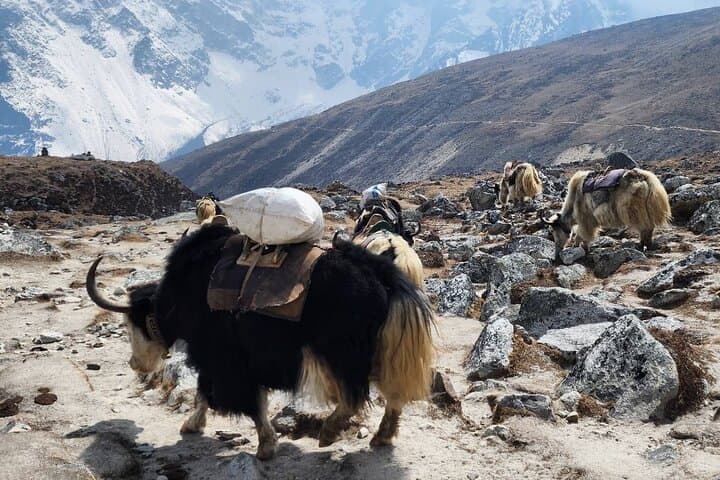
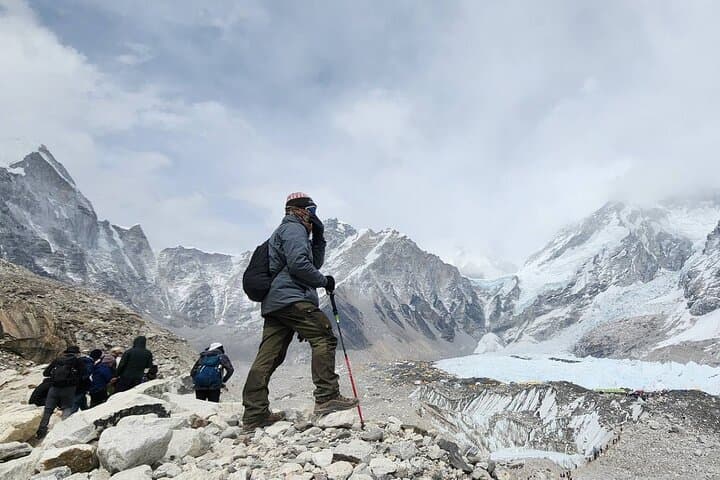
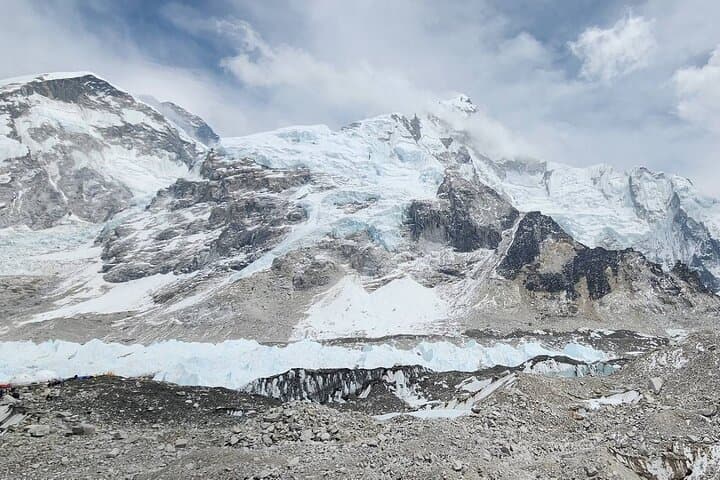
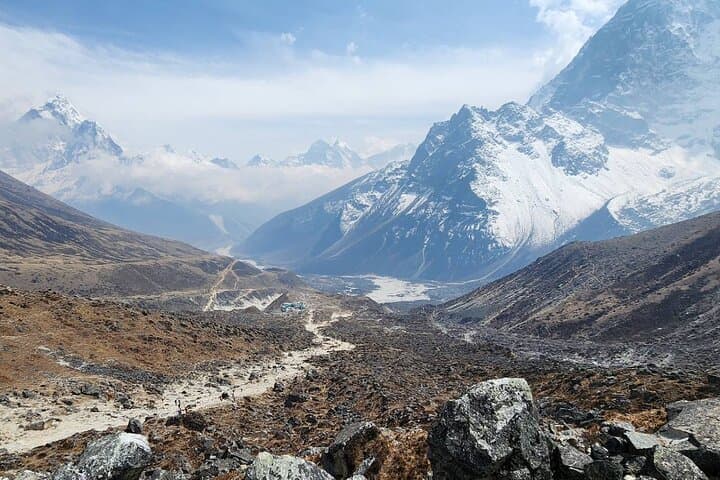
This 12-day itinerary threads classic Khumbu villages — Phakding, Namche Bazaar, Tengboche, Dingboche, Lobuche, Gorakshep — on trails shaped by moraines, yak tracks and centuries of Sherpa passage. Geologically the route follows uplifted schists and glacial tills below the high ice of the Khumbu Glacier; Kala Patthar (≈5,555 m) and Everest Base Camp (≈5,364 m) offer the clearest windows on Everest, Lhotse and Nuptse. Culturally the trek moves through Sherpa communities anchored by Buddhist monasteries and mani walls; permits (TIMS and Sagarmatha National Park) regulate access and protect this landscape.
Practically, expect long days of steady uphill sections, rocky scree above 4,500 m and tea-house accommodation with basic hot-water systems. Two acclimatization days (Namche and Dingboche) are built into the plan for safe ascent. Weather can swing from bright sun to fierce winds; the Lukla flight is scenic but weather-dependent. Hydration, layered insulation, sturdy boots and sun protection are non-negotiable. Carry a copy of your passport for permits and be prepared to move slowly on high-altitude mornings — your pace, not pride, gets you to Base Camp. When the sunrise bleaches Everest, the range feels less like a backdrop and more like a living thing that will not be rushed.