THE ADVENTURE COLLECTIVE® · Independent discovery and booking for outdoor travel

A high-altitude trek through Khumbu, this 12-day route takes you from Lukla to Everest Base Camp and Kala Pattar. Expect Sherpa villages, glacier views and weather-dependent flights to Lukla.
A high-altitude trek through Khumbu, this 12-day route takes you from Lukla to Everest Base Camp and Kala Pattar. Expect Sherpa villages, glacier views and weather-dependent flights to Lukla.
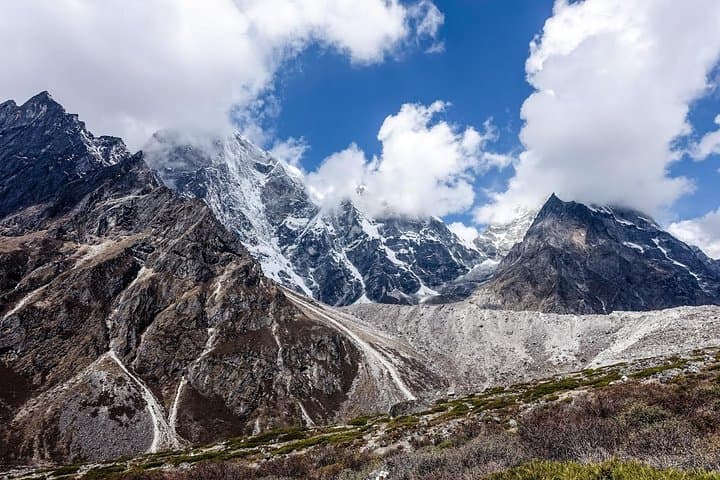
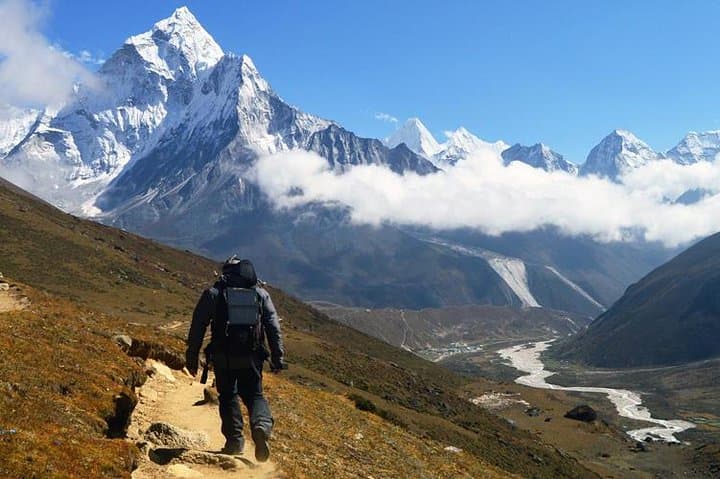
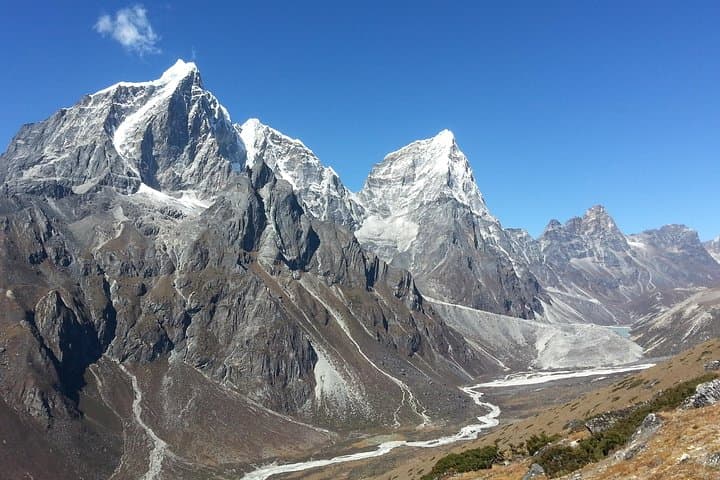
The trail opens with a thin, cold air that stings at the nostrils and a panorama that grows bolder with every ridge you gain. From the tin roofs of Lukla the path threads through rhododendron forests, crosses rivers that seem to hurry to keep pace, and climbs into Sherpa villages where prayer flags snap like small, persistent voices. By the time you reach Gorak Shep the ice-smoothed moraine and the shadow of Everest dominate the horizon; Kala Pattar offers a sunrise vantage that repays every uphill step.
Verified experiences and guided adventures in the surrounding area.
Operated by Adventure Bound · Lukla, Province No. 1
The trail opens with a thin, cold air that stings at the nostrils and a panorama that grows bolder with every ridge you gain. From the tin roofs of Lukla the path threads through rhododendron forests, crosses rivers that seem to hurry to keep pace, and climbs into Sherpa villages where prayer flags snap like small, persistent voices. By the time you reach Gorak Shep the ice-smoothed moraine and the shadow of Everest dominate the horizon; Kala Pattar offers a sunrise vantage that repays every uphill step.
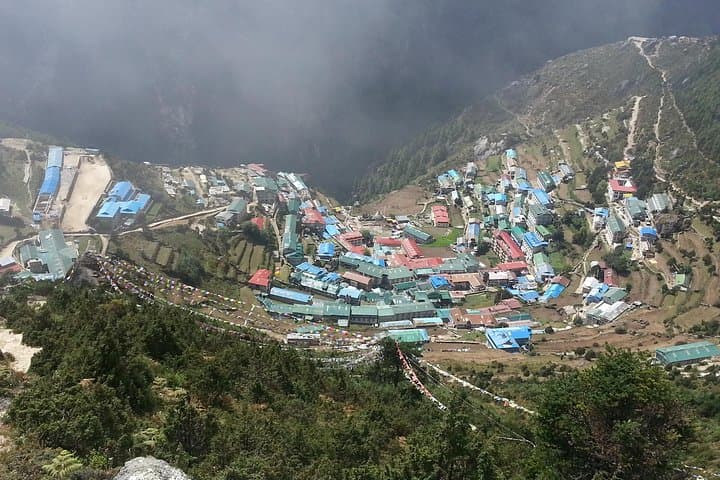
The route follows the historic passage used by early Himalayan expeditions and the Sherpa communities who have lived here for generations. Geologically the Khumbu belongs to the young, uplifted Himalaya — jagged granites, glacier-polished rock and shifting moraines define the route and the weather shifts quickly with altitude. Culturally, Namche Bazaar and Tengboche provide living windows into Sherpa ritual life and the Buddhist monasteries that guide local calendars.
Practical guidance: plan for 12 days including Lukla flights, two acclimatization stops (Namche, Dingboche), and a summit-style push to Kala Pattar (5,554 m) and Everest Base Camp (~5,364 m). Expect mixed terrain: packed dirt, stone steps, occasional scree and short glacier approaches near Gorak Shep. Altitude is the primary risk—pace yourself, hydrate, and respect rest days.
Logistics: flights to Lukla are weather-dependent; build buffer days into your schedule. Lodging is twin-share teahouses with basic hot meals included on most itineraries. Carry layered insulation, a good sleeping bag, and patience: the mountain often decides the timetable.
challenging.
12 days.
Good cardiovascular fitness and multi-day hiking experience; ability to carry a 10–12 kg daypack
Late September to November and March to May provide the clearest weather and most stable conditions for views and comfortable trekking.
Typical itineraries run 11–14 days; a common schedule is fly Lukla, progressive acclimatization with rest days at Namche and Dingboche, then Gorak Shep, Everest Base Camp and Kala Pattar before return.
Very significant—Lukla is weather-dependent and delays of hours to days are common; plan buffer days and keep flexible.
Yes — Sagarmatha National Park permits and TIMS are required; guided treks are strongly recommended for logistics, safety and local support.
The trail follows routes used by Sherpa communities and the early 1953 Everest expedition; monasteries like Tengboche have long been regional spiritual centers.
Sagarmatha National Park manages permits and waste rules; minimize impact by packing out non-biodegradable waste and using established teahouses.
Adventure Bound operates guided outdoor trips and adventures with an emphasis on safety, stewardship, and memorable experiences.
The trail opens with a thin, cold air that stings at the nostrils and a panorama that grows bolder with every ridge you gain. From the tin roofs of Lukla the path threads through rhododendron forests, crosses rivers that seem to hurry to keep pace, and climbs into Sherpa villages where prayer flags snap like small, persistent voices. By the time you reach Gorak Shep the ice-smoothed moraine and the shadow of Everest dominate the horizon; Kala Pattar offers a sunrise vantage that repays every uphill step.
The trail opens with a thin, cold air that stings at the nostrils and a panorama that grows bolder with every ridge you gain. From the tin roofs of Lukla the path threads through rhododendron forests, crosses rivers that seem to hurry to keep pace, and climbs into Sherpa villages where prayer flags snap like small, persistent voices. By the time you reach Gorak Shep the ice-smoothed moraine and the shadow of Everest dominate the horizon; Kala Pattar offers a sunrise vantage that repays every uphill step.
The route follows the historic passage used by early Himalayan expeditions and the Sherpa communities who have lived here for generations. Geologically the Khumbu belongs to the young, uplifted Himalaya — jagged granites, glacier-polished rock and shifting moraines define the route and the weather shifts quickly with altitude. Culturally, Namche Bazaar and Tengboche provide living windows into Sherpa ritual life and the Buddhist monasteries that guide local calendars.
Practical guidance: plan for 12 days including Lukla flights, two acclimatization stops (Namche, Dingboche), and a summit-style push to Kala Pattar (5,554 m) and Everest Base Camp (~5,364 m). Expect mixed terrain: packed dirt, stone steps, occasional scree and short glacier approaches near Gorak Shep. Altitude is the primary risk—pace yourself, hydrate, and respect rest days.
Logistics: flights to Lukla are weather-dependent; build buffer days into your schedule. Lodging is twin-share teahouses with basic hot meals included on most itineraries. Carry layered insulation, a good sleeping bag, and patience: the mountain often decides the timetable.