THE ADVENTURE COLLECTIVE® · Independent discovery and booking for outdoor travel

A focused 12-day trek from Lukla to Everest Base Camp, combining Sherpa culture, high Himalayan geology, and hard-won summit views from Kala Patthar. Read on for route highlights, elevation facts, and practical prep tips.
A focused 12-day trek from Lukla to Everest Base Camp, combining Sherpa culture, high Himalayan geology, and hard-won summit views from Kala Patthar. Read on for route highlights, elevation facts, and practical prep tips.
The first light over Lukla slices the sky into hard edges; prayer flags snap like a promise as trekkers shoulder packs and step onto trails that climb toward the world’s highest skyline.
Verified experiences and guided adventures in the surrounding area.
Operated by Scenic Nepal Treks Expedition Pvt. Ltd · Lukla, Province No. 1
The first light over Lukla slices the sky into hard edges; prayer flags snap like a promise as trekkers shoulder packs and step onto trails that climb toward the world’s highest skyline.
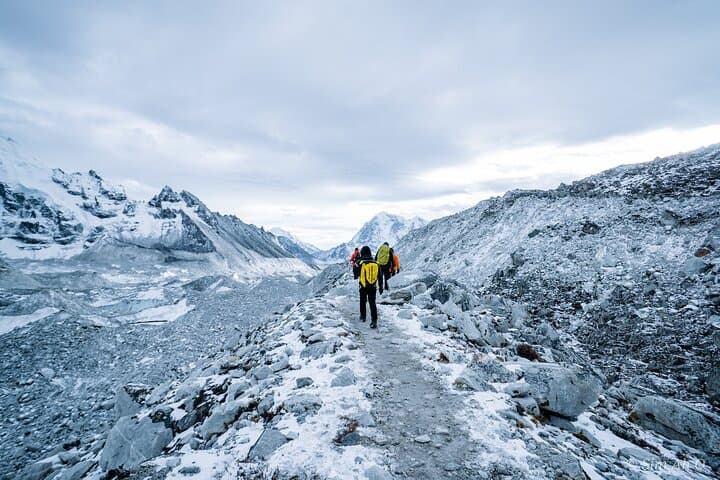
Over twelve days the route moves from pine-scented valleys into thin-air tundra, passing Namche Bazaar’s market stalls and the chanting hush of Tengboche Monastery. Geologically, the track threads uplifted marine sediments and metamorphic rock—Himalayan peaks are still rising underfoot—while glaciers carve the high valleys and deposit powdery moraines that dare you onward.
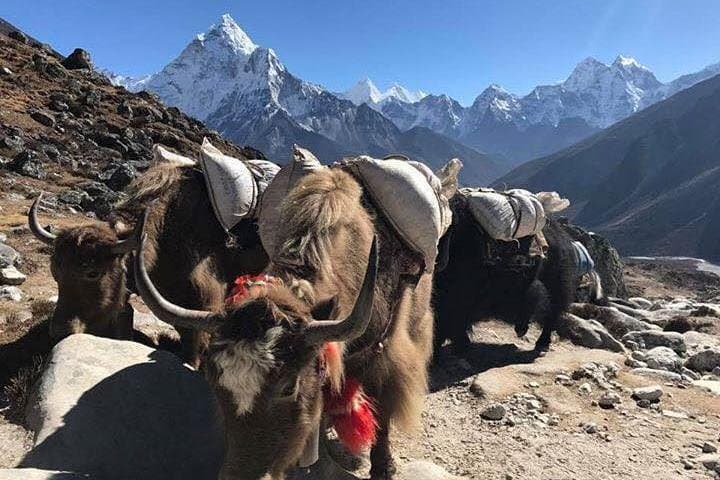
Culturally the trek is a Sherpa journey: mani walls, butter lamps, and tea houses where stories and dal bhat restore both morale and calories. Expect close-knit village life, local hospitality, and a living Buddhist practice visible in daily routines.
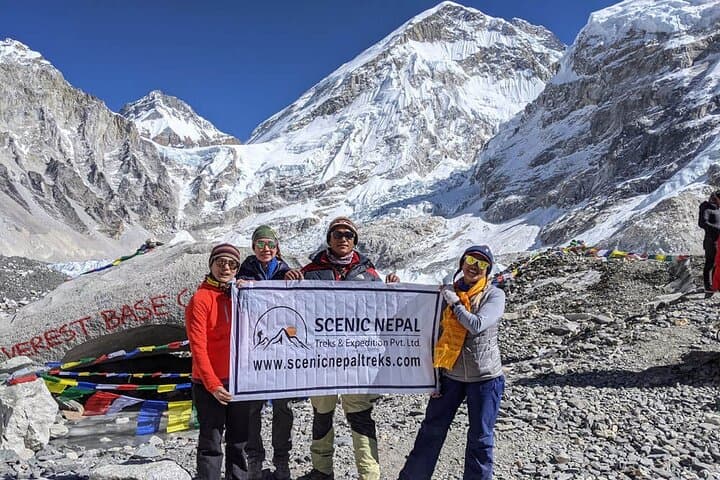
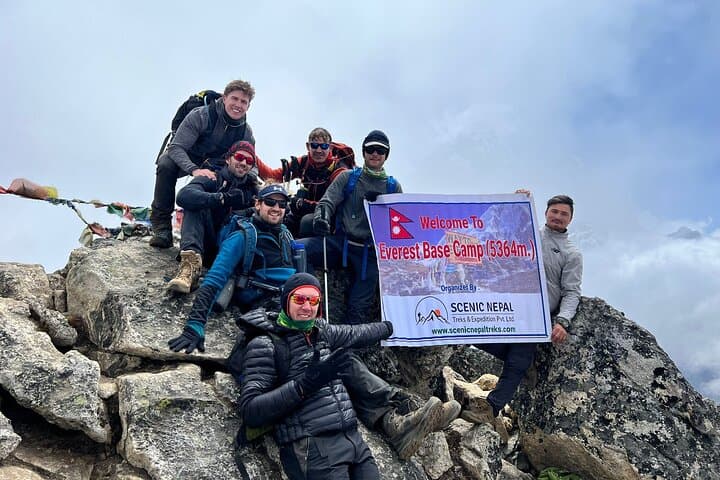
Practically, the itinerary includes a short scenic flight Kathmandu–Lukla, progressive acclimatization (Namche, Dingboche), a push to Everest Base Camp at 5,364 m and a sunrise climb of Kala Patthar for panoramic Everest views. Trails are steep and rocky with stone stairways and occasional icy patches; seasonal crowds and limited services mean carrying cash and contingency days is smart.
Hydration and slow ascent are non-negotiable—altitude is the real challenge. Pack layered clothing for rapid temperature swings, a reliable sleep system, and lightweight water treatment. Daily walks of 4–7 hours are typical; porters and guides are recommended for safety and logistics.
This is an expedition-style trek: physically demanding but logistically manageable with local support. The payoff is elemental—close-up Himalayan vistas and the quiet confidence that comes from walking where the mountains still shape the world.
challenging.
12 days.
Good cardiovascular fitness with prior multi-day hiking experience; ability to hike 4–7 hours on uneven terrain at altitude.
No formal experience is required, but prior multi-day hikes and good fitness improve acclimatization and comfort; guided support is strongly recommended.
Pre-monsoon spring (March–May) and autumn (September–November) offer the most stable weather and clear mountain views.
Trekking requires TIMS card and Sagarmatha National Park permits; guides usually handle permits but carry passport copies and necessary documents.
The route is serviced by tea houses with basic meals and twin-share rooms; expect limited hot water, intermittent power and small extra costs for charging and Wi‑Fi.
The Khumbu region is the homeland of the Sherpa people, whose trade and mountaineering skills became globally prominent during 20th-century Everest expeditions.
Visitors should pack out waste where possible, avoid single-use plastics, and support teahouses and local conservation levies that fund trails and waste management.
Scenic Nepal Treks Expedition Pvt. Ltd operates guided outdoor trips and adventures with an emphasis on safety, stewardship, and memorable experiences.
The first light over Lukla slices the sky into hard edges; prayer flags snap like a promise as trekkers shoulder packs and step onto trails that climb toward the world’s highest skyline.
The first light over Lukla slices the sky into hard edges; prayer flags snap like a promise as trekkers shoulder packs and step onto trails that climb toward the world’s highest skyline.
Over twelve days the route moves from pine-scented valleys into thin-air tundra, passing Namche Bazaar’s market stalls and the chanting hush of Tengboche Monastery. Geologically, the track threads uplifted marine sediments and metamorphic rock—Himalayan peaks are still rising underfoot—while glaciers carve the high valleys and deposit powdery moraines that dare you onward.
Culturally the trek is a Sherpa journey: mani walls, butter lamps, and tea houses where stories and dal bhat restore both morale and calories. Expect close-knit village life, local hospitality, and a living Buddhist practice visible in daily routines.
Practically, the itinerary includes a short scenic flight Kathmandu–Lukla, progressive acclimatization (Namche, Dingboche), a push to Everest Base Camp at 5,364 m and a sunrise climb of Kala Patthar for panoramic Everest views. Trails are steep and rocky with stone stairways and occasional icy patches; seasonal crowds and limited services mean carrying cash and contingency days is smart.
Hydration and slow ascent are non-negotiable—altitude is the real challenge. Pack layered clothing for rapid temperature swings, a reliable sleep system, and lightweight water treatment. Daily walks of 4–7 hours are typical; porters and guides are recommended for safety and logistics.
This is an expedition-style trek: physically demanding but logistically manageable with local support. The payoff is elemental—close-up Himalayan vistas and the quiet confidence that comes from walking where the mountains still shape the world.