THE ADVENTURE COLLECTIVE® · Independent discovery and booking for outdoor travel

An 11‑day classic to Everest Base Camp and Kala Patthar that threads Sherpa villages, Tengboche monastery and the Khumbu Glacier. Expect demanding altitude gains, basic tea‑house lodging and unforgettable high‑Himalaya panoramas.
An 11‑day classic to Everest Base Camp and Kala Patthar that threads Sherpa villages, Tengboche monastery and the Khumbu Glacier. Expect demanding altitude gains, basic tea‑house lodging and unforgettable high‑Himalaya panoramas.
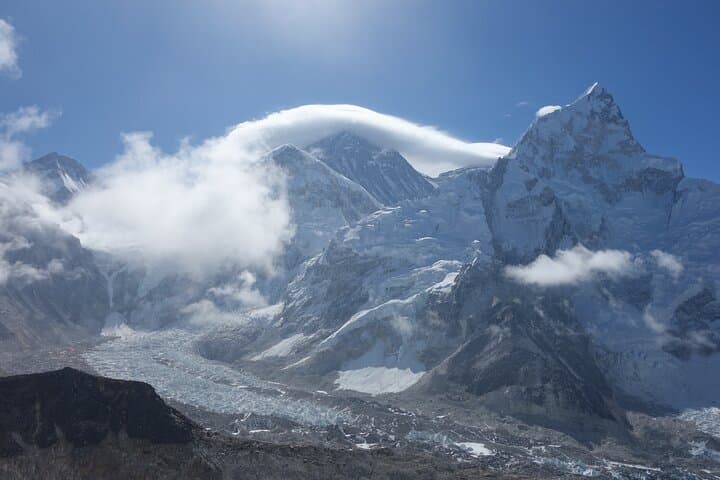
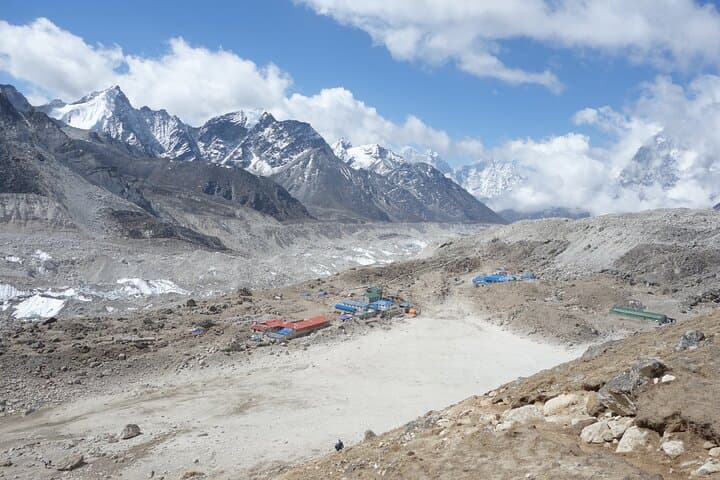
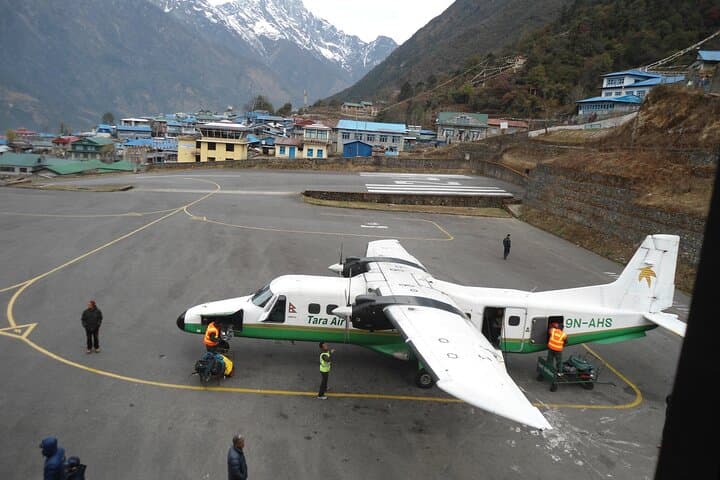
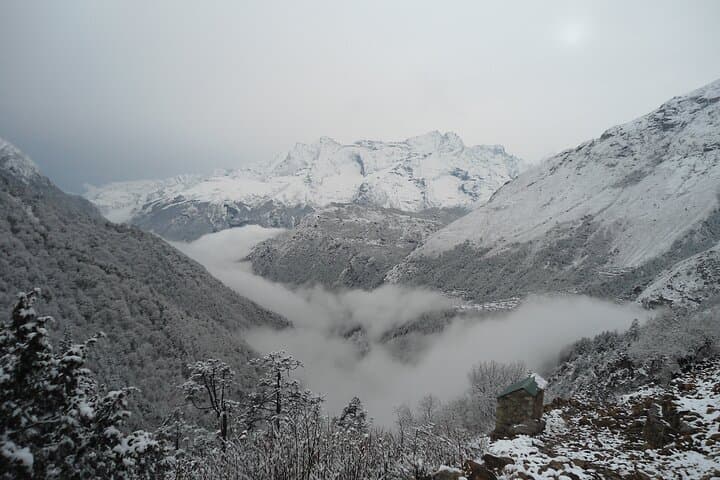
Dawn on the trail feels sharp and immediate: a headlamp stream threads between tea houses, prayer flags flutter on ridgelines and the first silhouette of Everest slices the pale sky. Trekking from Lukla through the Dudh Koshi valley, the route climbs through rhododendron forests, Sherpa villages and glacial moraines until the Khumbu’s stark ice and moraine fields open beneath the peaks.
Verified experiences and guided adventures in the surrounding area.
Operated by Touch The Himalaya Treks & Expedition · Lukla, Province No.1
Dawn on the trail feels sharp and immediate: a headlamp stream threads between tea houses, prayer flags flutter on ridgelines and the first silhouette of Everest slices the pale sky. Trekking from Lukla through the Dudh Koshi valley, the route climbs through rhododendron forests, Sherpa villages and glacial moraines until the Khumbu’s stark ice and moraine fields open beneath the peaks.
Geology here is raw — the Himalaya are a living collision zone where the Indian Plate still lifts rock toward the sky, creating jagged granite and ancient metamorphic layers visible in the moraines and cliffs. Culturally the route passes through Sagarmatha National Park, home to Sherpa communities whose monasteries (notably Tengboche) and tea houses provide hospitality and a living link to Tibetan Buddhism and high‑altitude agricultural life.
Expect 10–12 days on trail with daily hikes of 4–8 hours, altitude gain staged to allow acclimatization (Namche and Dingboche rest days are common). Key sights: Khumbu Glacier, the memorials at Lobuche, sunrise from Kala Patthar and market life in Namche Bazaar.
Practical guidance: flights to/from Lukla are weather dependent — build buffer days. Hydrate, watch for acute mountain sickness and prioritize slow climbs and one or two acclimatization days. Lodging is basic tea‑house style; bring cash (Nepalese rupees) and layerable clothing for large diurnal swings. Local porters and licensed guides are widely available and recommended; permits for Sagarmatha NP and TIMS are required. With preparation, this is a high‑altitude trek that rewards effort with uncompromising Himalayan panoramas.
challenging.
11 days.
Requires good cardiovascular fitness and prior multi‑day hiking experience; ability to carry a daypack for 5–8 hours daily.
No technical climbing skills are required, but prior multi‑day trekking experience and strong fitness are recommended due to altitude and long days.
Spring (March–May) and autumn (September–November) offer the most stable weather, clearer views and warmer daytime temperatures.
Tea houses are basic lodges providing a bed, shared or private rooms, and meals; hot showers and Wi‑Fi may be limited or costly at higher elevations.
Kala Patthar sits around 5,545m and provides the most accessible, uncompromised panoramic view of Everest and the surrounding Khumbu peaks.
The Khumbu region has been inhabited by Sherpa communities for centuries and became internationally known after 1950s expeditions; Sagarmatha National Park was established in 1976.
Travelers should stick to marked trails, pack out waste where possible and support local tea houses to reduce pressure on fragile mountain environments.
Touch The Himalaya Treks & Expedition operates guided outdoor trips and adventures with an emphasis on safety, stewardship, and memorable experiences.
Dawn on the trail feels sharp and immediate: a headlamp stream threads between tea houses, prayer flags flutter on ridgelines and the first silhouette of Everest slices the pale sky. Trekking from Lukla through the Dudh Koshi valley, the route climbs through rhododendron forests, Sherpa villages and glacial moraines until the Khumbu’s stark ice and moraine fields open beneath the peaks.
Dawn on the trail feels sharp and immediate: a headlamp stream threads between tea houses, prayer flags flutter on ridgelines and the first silhouette of Everest slices the pale sky. Trekking from Lukla through the Dudh Koshi valley, the route climbs through rhododendron forests, Sherpa villages and glacial moraines until the Khumbu’s stark ice and moraine fields open beneath the peaks.
Geology here is raw — the Himalaya are a living collision zone where the Indian Plate still lifts rock toward the sky, creating jagged granite and ancient metamorphic layers visible in the moraines and cliffs. Culturally the route passes through Sagarmatha National Park, home to Sherpa communities whose monasteries (notably Tengboche) and tea houses provide hospitality and a living link to Tibetan Buddhism and high‑altitude agricultural life.
Expect 10–12 days on trail with daily hikes of 4–8 hours, altitude gain staged to allow acclimatization (Namche and Dingboche rest days are common). Key sights: Khumbu Glacier, the memorials at Lobuche, sunrise from Kala Patthar and market life in Namche Bazaar.
Practical guidance: flights to/from Lukla are weather dependent — build buffer days. Hydrate, watch for acute mountain sickness and prioritize slow climbs and one or two acclimatization days. Lodging is basic tea‑house style; bring cash (Nepalese rupees) and layerable clothing for large diurnal swings. Local porters and licensed guides are widely available and recommended; permits for Sagarmatha NP and TIMS are required. With preparation, this is a high‑altitude trek that rewards effort with uncompromising Himalayan panoramas.