THE ADVENTURE COLLECTIVE® · Independent discovery and booking for outdoor travel

An 11-day lodge trek from Lukla to Kala Patthar, this classic route climbs through Sherpa culture, Sagarmatha National Park and the Khumbu Glacier to deliver one of the world’s most iconic summit views. Prepare for altitude, variable weather and unforgettable panoramas.
An 11-day lodge trek from Lukla to Kala Patthar, this classic route climbs through Sherpa culture, Sagarmatha National Park and the Khumbu Glacier to deliver one of the world’s most iconic summit views. Prepare for altitude, variable weather and unforgettable panoramas.
The propulsive whir of a small plane, a scramble over a sunbaked tarmac and a first look down the Khumbu valley — that’s how most journeys to Everest Base Camp begin. From Lukla the trail climbs through rhododendron forests and Sherpa villages, rises above the treeline into wind-swept moraines and finally opens onto the blue-white gape of the Khumbu Glacier.
Verified experiences and guided adventures in the surrounding area.
Operated by Mount Face Nepal · Namche Bazaar, Solukhumbu
The propulsive whir of a small plane, a scramble over a sunbaked tarmac and a first look down the Khumbu valley — that’s how most journeys to Everest Base Camp begin. From Lukla the trail climbs through rhododendron forests and Sherpa villages, rises above the treeline into wind-swept moraines and finally opens onto the blue-white gape of the Khumbu Glacier.
This route threads through Sagarmatha National Park, a UNESCO World Heritage site created in the 1970s to protect the high Himalaya’s fragile ecosystems. Geology here is raw: uplifted metamorphic gneiss and the jagged seracs of Everest’s icefall bear witness to tectonic collision and millennia of freeze-thaw. Sherpa culture is visible in mani walls, prayer flags and monastery courtyards — Tengboche remains a cultural highlight where centuries of Tibetan-Buddhist practice meet modern trekking life.
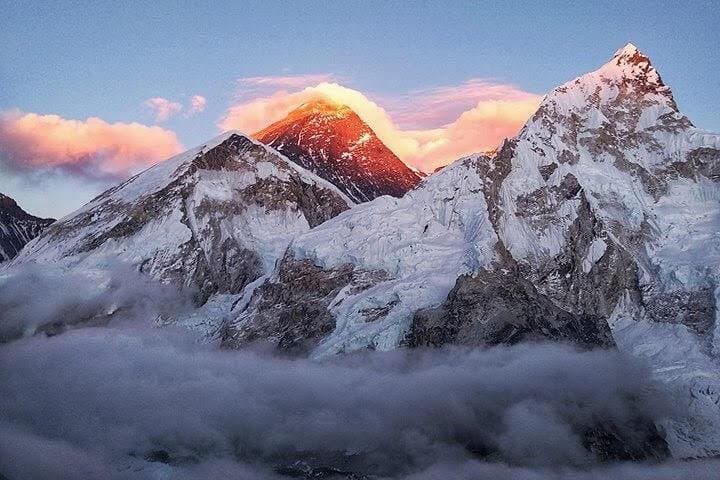
Expect full days of walking, steady altitude gain with scheduled acclimatization in Namche Bazaar, and the emotional payoff of standing at Gorakshep with Everest dominating the skyline. Kala Patthar’s sunrise viewpoint offers what many call the definitive view of Everest; it requires an early, cold push but minimal technical skill.
Practical notes: allow time to acclimatize, keep daily stages conservative, and plan for weather delays on the Lukla flight. Carry layered clothing, a good down jacket and waterproofs; sleep in well-rated teahouses and consider hiring a porter or guide for safety and local support. Hydrate, move deliberately, and respect local guidelines and park permits — the mountains will reward patience and preparation.
challenging.
11 days.
Good aerobic fitness and experience with multi-day hikes; ability to walk 5–8 hours at moderate grade for consecutive days
Yes — you need the Sagarmatha National Park permit and a TIMS card; a licensed guide or operator normally arranges them.
No — the standard EBC route is a high-altitude trek without technical glacier travel, though basic crampons or microspikes can help in icy sections.
Fall (Sept–Nov) and spring (Mar–May) offer the most stable weather and clearest views; winter is very cold and the monsoon brings heavy cloud and rain.
Altitude sickness is a real risk above 3,000 m; follow acclimatization days, ascend slowly and descend if symptoms worsen — guides can advise on emergency evacuation.
The Khumbu has long been a Sherpa homeland; Sagarmatha National Park was created to protect its high-altitude ecosystems and cultural landscape after trekking and climbing grew in the 20th century.
Permits fund park management and visitors should minimize waste, use local services to support the economy and follow ‘leave no trace’ practices on fragile trails.
Mount Face Nepal operates guided outdoor trips and adventures with an emphasis on safety, stewardship, and memorable experiences.


The propulsive whir of a small plane, a scramble over a sunbaked tarmac and a first look down the Khumbu valley — that’s how most journeys to Everest Base Camp begin. From Lukla the trail climbs through rhododendron forests and Sherpa villages, rises above the treeline into wind-swept moraines and finally opens onto the blue-white gape of the Khumbu Glacier.
The propulsive whir of a small plane, a scramble over a sunbaked tarmac and a first look down the Khumbu valley — that’s how most journeys to Everest Base Camp begin. From Lukla the trail climbs through rhododendron forests and Sherpa villages, rises above the treeline into wind-swept moraines and finally opens onto the blue-white gape of the Khumbu Glacier.
This route threads through Sagarmatha National Park, a UNESCO World Heritage site created in the 1970s to protect the high Himalaya’s fragile ecosystems. Geology here is raw: uplifted metamorphic gneiss and the jagged seracs of Everest’s icefall bear witness to tectonic collision and millennia of freeze-thaw. Sherpa culture is visible in mani walls, prayer flags and monastery courtyards — Tengboche remains a cultural highlight where centuries of Tibetan-Buddhist practice meet modern trekking life.
Expect full days of walking, steady altitude gain with scheduled acclimatization in Namche Bazaar, and the emotional payoff of standing at Gorakshep with Everest dominating the skyline. Kala Patthar’s sunrise viewpoint offers what many call the definitive view of Everest; it requires an early, cold push but minimal technical skill.
Practical notes: allow time to acclimatize, keep daily stages conservative, and plan for weather delays on the Lukla flight. Carry layered clothing, a good down jacket and waterproofs; sleep in well-rated teahouses and consider hiring a porter or guide for safety and local support. Hydrate, move deliberately, and respect local guidelines and park permits — the mountains will reward patience and preparation.