THE ADVENTURE COLLECTIVE® · Independent discovery and booking for outdoor travel

This 15-day expedition links Lhasa’s sacred sites with Rongbuk’s Everest views and the three-day Kailash kora. Expect high passes, simple lodgings and deep cultural encounters—prepare for thin air and long days on rocky trails.
This 15-day expedition links Lhasa’s sacred sites with Rongbuk’s Everest views and the three-day Kailash kora. Expect high passes, simple lodgings and deep cultural encounters—prepare for thin air and long days on rocky trails.
The first breath in Lhasa is thin and bright: prayer flags snap above the avenue, and the Potala’s white-and-red profile cuts against an intense blue sky. Over two weeks you’ll trade city altars for glacier-sculpted passes, sleeping in guesthouse dorms and simple teahouses as the landscape pushes up into the roof of the world.
Verified experiences and guided adventures in the surrounding area.
Operated by Samtour of Chengdu OTC Travel · Lhasa, Tibet
The first breath in Lhasa is thin and bright: prayer flags snap above the avenue, and the Potala’s white-and-red profile cuts against an intense blue sky. Over two weeks you’ll trade city altars for glacier-sculpted passes, sleeping in guesthouse dorms and simple teahouses as the landscape pushes up into the roof of the world.
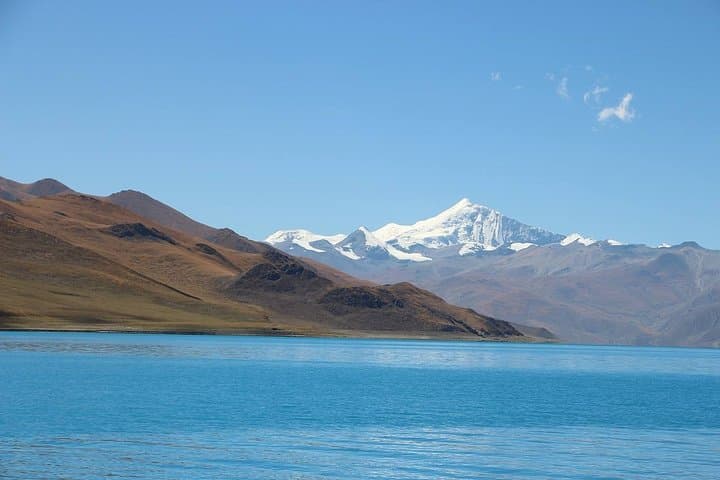
This route stitches together two distinct Tibetan stories. In Lhasa, 7th-century Jokhang and the 17th-century Potala Palace speak to religious power and court life; farther west the Gangdise and Himalayan ranges fold into glaciers and high plateaus. Geologically, you cross the Transhimalaya and then the southern Tibetan Plateau—Karola Glacier and Rongbuk valley reveal active glacial sculpting, while the Kailash kora follows ancient pilgrim circuits around a granitic massif revered in Hinduism, Buddhism and Bon.
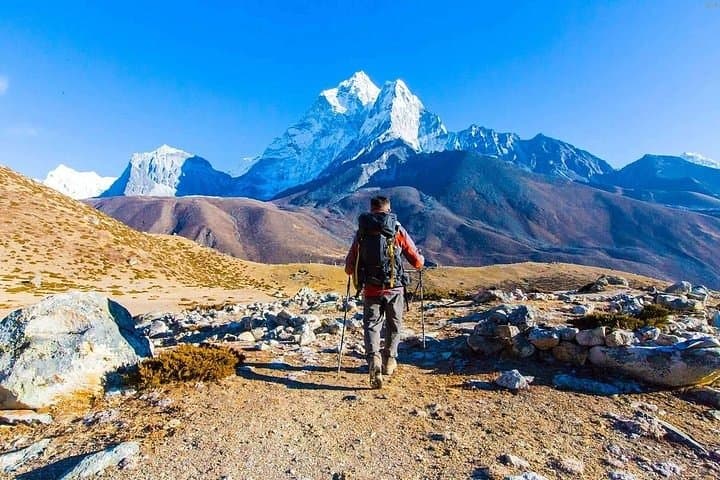
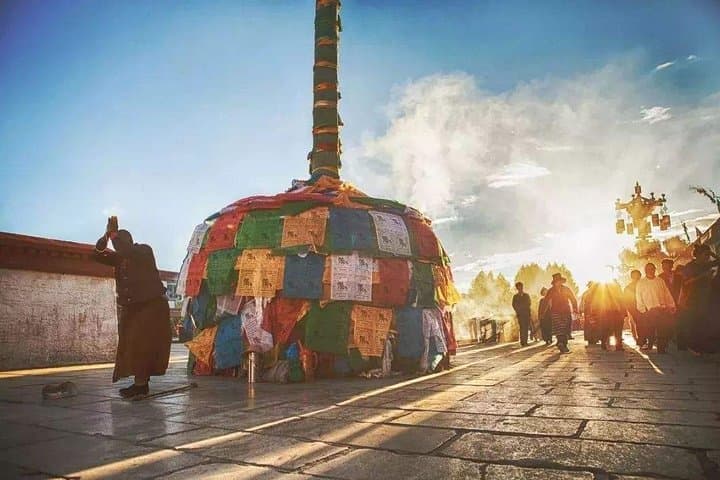
Expect river valleys, yak pastures, rocky moraines, and three days of kora: 13km, 18km and 7km stages with a Dromla pass at ~5,630m. Everest approach includes Pang La (5,050m) and views of Everest from Rongbuk; EBC lodging is basic and cold. Local culture is visible in mani stone walls, prostrating pilgrims and monastery debates.
Practical notes: plan for 15 days with sustained altitude above 3,500–5,100m, carry layered insulation, sun protection and a well-broken pair of boots. Permit paperwork and passport copies are required in advance; allow several days for acclimatization in Lhasa. Hydrate, monitor symptoms of AMS, and hire porters or yaks if you need help carrying loads. Travel windows are spring–autumn for clearer passes and warmer teahouses.
challenging.
15 days.
Good aerobic fitness and prior multi-day trekking experience recommended; ability to hike 10–20km on rough terrain at altitude.
Yes—foreign visitors require a Tibet Travel Permit arranged through the tour operator, plus standard Chinese visa; the operator will request passport copies to apply for the permit.
Highest pass on the kora is ~5,630m and Everest access reaches ~5,200m; acute mountain sickness is a risk—acclimatize, ascend slowly and consider carrying medication or oxygen.
Accommodation ranges from 3-star hotels in cities to basic guesthouse dorms and simple lodging near Everest Base Camp; upgrade options in Lhasa only.
Yes—yaks, horses and porters are available locally for hire but costs are usually not included in the package; arrange with your guide at Sarshung village.
Potala Palace and Jokhang date back centuries and anchor Tibetan Buddhism; the Kailash kora has been a religious pilgrimage route for Hindu, Buddhist and Bon followers for millennia.
This high plateau is ecologically fragile—stay on trails, pack out waste, and minimize fuel use; local efforts support responsible tourism and permit limits help manage flows.
Samtour of Chengdu OTC Travel operates guided outdoor trips and adventures with an emphasis on safety, stewardship, and memorable experiences.
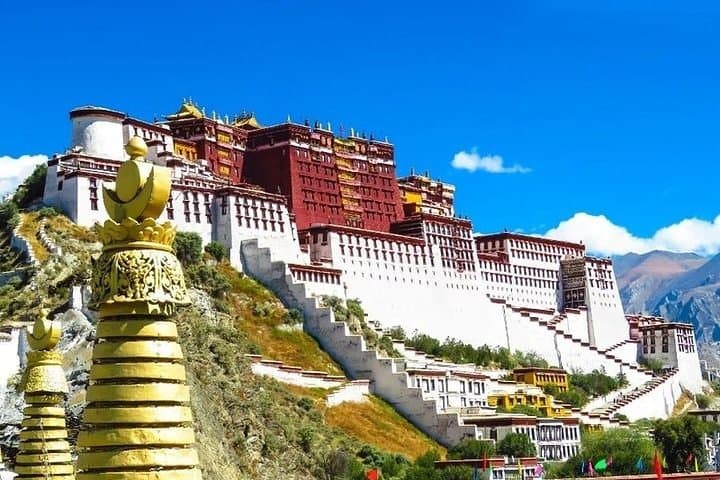
The first breath in Lhasa is thin and bright: prayer flags snap above the avenue, and the Potala’s white-and-red profile cuts against an intense blue sky. Over two weeks you’ll trade city altars for glacier-sculpted passes, sleeping in guesthouse dorms and simple teahouses as the landscape pushes up into the roof of the world.
The first breath in Lhasa is thin and bright: prayer flags snap above the avenue, and the Potala’s white-and-red profile cuts against an intense blue sky. Over two weeks you’ll trade city altars for glacier-sculpted passes, sleeping in guesthouse dorms and simple teahouses as the landscape pushes up into the roof of the world.
This route stitches together two distinct Tibetan stories. In Lhasa, 7th-century Jokhang and the 17th-century Potala Palace speak to religious power and court life; farther west the Gangdise and Himalayan ranges fold into glaciers and high plateaus. Geologically, you cross the Transhimalaya and then the southern Tibetan Plateau—Karola Glacier and Rongbuk valley reveal active glacial sculpting, while the Kailash kora follows ancient pilgrim circuits around a granitic massif revered in Hinduism, Buddhism and Bon.
Expect river valleys, yak pastures, rocky moraines, and three days of kora: 13km, 18km and 7km stages with a Dromla pass at ~5,630m. Everest approach includes Pang La (5,050m) and views of Everest from Rongbuk; EBC lodging is basic and cold. Local culture is visible in mani stone walls, prostrating pilgrims and monastery debates.
Practical notes: plan for 15 days with sustained altitude above 3,500–5,100m, carry layered insulation, sun protection and a well-broken pair of boots. Permit paperwork and passport copies are required in advance; allow several days for acclimatization in Lhasa. Hydrate, monitor symptoms of AMS, and hire porters or yaks if you need help carrying loads. Travel windows are spring–autumn for clearer passes and warmer teahouses.