THE ADVENTURE COLLECTIVE® · Independent discovery and booking for outdoor travel

Walk from Kathmandu to the shadow of Everest on a private, teahouse-supported trek through Sherpa heartlands. This 14–15 day itinerary balances acclimatization with summit views—Kala Patthar and Everest Base Camp—while relying on local guides and teahouse logistics.
Walk from Kathmandu to the shadow of Everest on a private, teahouse-supported trek through Sherpa heartlands. This 14–15 day itinerary balances acclimatization with summit views—Kala Patthar and Everest Base Camp—while relying on local guides and teahouse logistics.
The first steps after the Lukla touchdown feel both ordinary and enormous: prayer flags snap in the wind, a dusty trail unspools below, and the mountains loom like slow-moving weather. Over fourteen days you travel from Kathmandu’s bustle to the thin blue air of Gorak Shep, watching village roofs shrink and glaciers grow until Khumbu Icefall cuts the horizon.
Verified experiences and guided adventures in the surrounding area.
Operated by KJ Adventure Nepal Private Limited · Kathmandu, Province No. 1
The first steps after the Lukla touchdown feel both ordinary and enormous: prayer flags snap in the wind, a dusty trail unspools below, and the mountains loom like slow-moving weather. Over fourteen days you travel from Kathmandu’s bustle to the thin blue air of Gorak Shep, watching village roofs shrink and glaciers grow until Khumbu Icefall cuts the horizon.
This classic Khumbu route runs through Sagarmatha National Park, a UNESCO-protected landscape shaped by tectonic uplift and persistent glaciation. Sherpa settlements—Benkar, Namche, Tengboche—are living archives: mani walls, chortens, and monasteries speak to Tibetan Buddhist practice and the mountaineering history that put Everest on the world map.
Geologically, the trail follows glacial moraines and braided rivers; the Dudh Koshi dares you across suspension bridges while the moraine beneath Lobuche reminds you how recent and active these ice flows remain. Culturally, the Tengboche Monastery and Namche’s marketplaces are where logistics meet local life—yak wool, prayer wheels, and tea-house hospitality that sustain the route.
Practical side: expect 4–7 hours of walking on most days, steady altitude gains with two built-in acclimatization stops (Namche, Dingboche), and summit-style mornings for Kala Patthar (≈5,545 m) and Everest Base Camp (≈5,365 m). Weather is highly variable—sun at high altitude burns quickly; afternoons can bring snow or wind. Hydration, slow pacing, and a willingness to use porters and teahouse services make the difference between finishing strong or turning back. Flights to Lukla operate from Manthali/Kathmandu and are weather-dependent—plan buffer days and pack layers, sun protection, and a patient attitude.
challenging.
14–15 days.
Good cardiovascular fitness and experience with multi-day hikes; comfortable with 4–7 hours of walking per day at altitude.
The itinerary is a high-altitude trek with long days and rapid elevation gain: highest points are Everest Base Camp (~5,365 m) and Kala Patthar (~5,545 m); physical stamina and proper acclimatization are required.
Spring (March–May) and fall (Sept–Nov) offer the clearest weather and busiest services; winter is cold with limited services, while summer brings monsoon clouds and leeches.
Lukla flights are scenic but weather-dependent—flights frequently delay or cancel; itineraries typically include buffer days and alternative routing via Manthali/Ramechhap when required.
Teahouses are basic lodges offering twin rooms, shared bathrooms or pit latrines, and hot meals; charging and Wi‑Fi are often available for a fee and can be intermittent at higher elevations.
The Khumbu was historically a trans-Himalayan corridor for trade and Tibetan cultural exchange; Sagarmatha National Park was established in 1976 and later became a UNESCO site.
Trekkers should respect park permit rules, minimize waste (many lodges participate in pack-out programs), and favor local guides and teahouses to support sustainable community economies.
KJ Adventure Nepal Private Limited operates guided outdoor trips and adventures with an emphasis on safety, stewardship, and memorable experiences.
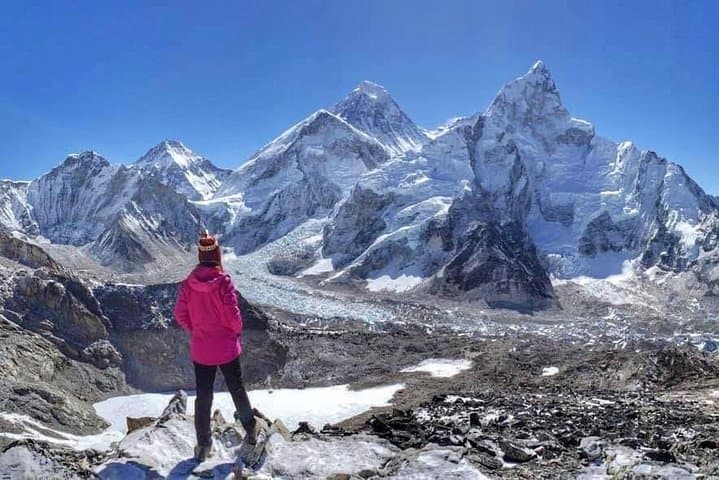
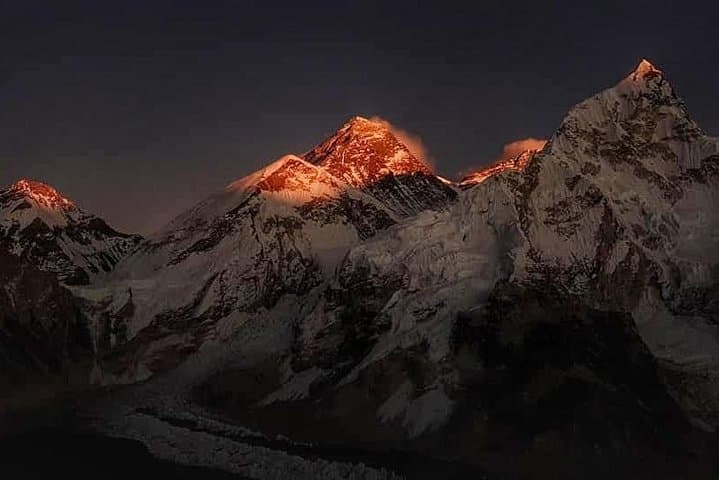
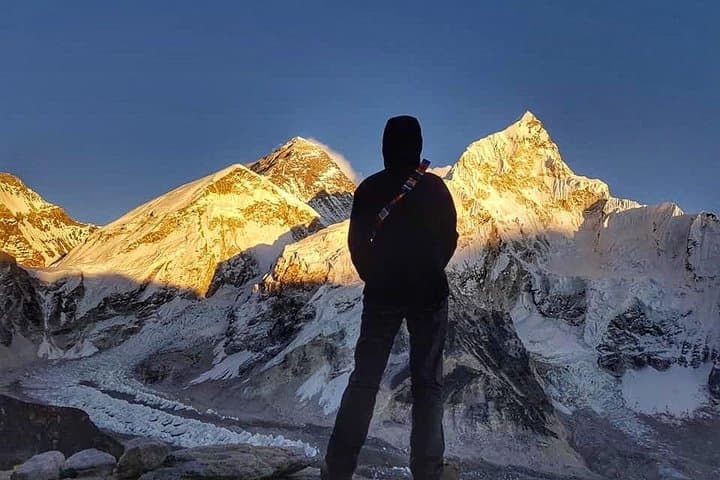
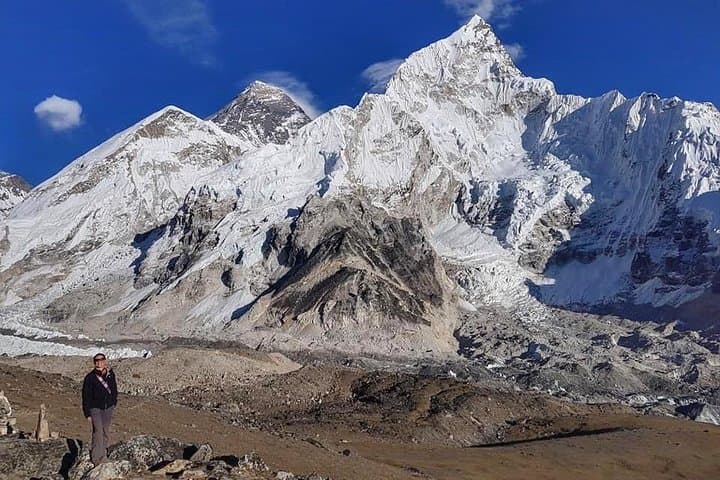
The first steps after the Lukla touchdown feel both ordinary and enormous: prayer flags snap in the wind, a dusty trail unspools below, and the mountains loom like slow-moving weather. Over fourteen days you travel from Kathmandu’s bustle to the thin blue air of Gorak Shep, watching village roofs shrink and glaciers grow until Khumbu Icefall cuts the horizon.
The first steps after the Lukla touchdown feel both ordinary and enormous: prayer flags snap in the wind, a dusty trail unspools below, and the mountains loom like slow-moving weather. Over fourteen days you travel from Kathmandu’s bustle to the thin blue air of Gorak Shep, watching village roofs shrink and glaciers grow until Khumbu Icefall cuts the horizon.
This classic Khumbu route runs through Sagarmatha National Park, a UNESCO-protected landscape shaped by tectonic uplift and persistent glaciation. Sherpa settlements—Benkar, Namche, Tengboche—are living archives: mani walls, chortens, and monasteries speak to Tibetan Buddhist practice and the mountaineering history that put Everest on the world map.
Geologically, the trail follows glacial moraines and braided rivers; the Dudh Koshi dares you across suspension bridges while the moraine beneath Lobuche reminds you how recent and active these ice flows remain. Culturally, the Tengboche Monastery and Namche’s marketplaces are where logistics meet local life—yak wool, prayer wheels, and tea-house hospitality that sustain the route.
Practical side: expect 4–7 hours of walking on most days, steady altitude gains with two built-in acclimatization stops (Namche, Dingboche), and summit-style mornings for Kala Patthar (≈5,545 m) and Everest Base Camp (≈5,365 m). Weather is highly variable—sun at high altitude burns quickly; afternoons can bring snow or wind. Hydration, slow pacing, and a willingness to use porters and teahouse services make the difference between finishing strong or turning back. Flights to Lukla operate from Manthali/Kathmandu and are weather-dependent—plan buffer days and pack layers, sun protection, and a patient attitude.