THE ADVENTURE COLLECTIVE® · Independent discovery and booking for outdoor travel

A 14‑day guided trek from Lukla to Everest Base Camp and Kala Patthar that combines classic high‑altitude hiking, Sherpa culture, and glacier‑scoured panoramas. Expect rugged trails, teahouse nights and essential acclimatization days.
A 14‑day guided trek from Lukla to Everest Base Camp and Kala Patthar that combines classic high‑altitude hiking, Sherpa culture, and glacier‑scoured panoramas. Expect rugged trails, teahouse nights and essential acclimatization days.
Morning light slices the high ridges as trekkers step off the short flight into Lukla and into a landscape that quickly sheds the comforts of the lowlands. The trail threads river canyons and rhododendron groves, climbs through Sherpa villages where prayer flags snap at every ridge, and finally pushes onto the grey, glacial moraine that leads to Gorakshep and Everest Base Camp.
Verified experiences and guided adventures in the surrounding area.
Operated by Altitude Himalaya · Kathmandu, Bagmati Province
Morning light slices the high ridges as trekkers step off the short flight into Lukla and into a landscape that quickly sheds the comforts of the lowlands. The trail threads river canyons and rhododendron groves, climbs through Sherpa villages where prayer flags snap at every ridge, and finally pushes onto the grey, glacial moraine that leads to Gorakshep and Everest Base Camp.
The route follows routes first traveled by traders and later mapped by early mountaineers; it crosses the Khumbu Glacier and skirts moraines shaped by millennia of ice. Geology here is raw—uplifted metamorphic rocks and ice-polished valleys that reveal the Himalayan collision zone where the Indian plate still forces the crust skyward.
Culture is present at every teahouse: Sherpa hospitality, Buddhist monasteries and mani stones mark rest points and offer context to the landscape’s human history. Local guides explain prayer rituals and the high-altitude farming that supports settlements like Namche and Tengboche.
Practical guidance: plan for 14 days including two rest/acclimatization stops; total walking distance from Lukla to Kala Patthar and back is roughly 130 km with day-to-day gains cumulative to 5,545 m at Kala Patthar. Expect rocky, icy and sometimes windy terrain—sturdy boots and gaiters are non-negotiable. Hydration and slow pacing are essential for acclimatization; allow at least two full acclimatization days and consider acetazolamide only after consulting a physician.
Flights into Lukla are weather-dependent—build flex into your schedule. Nights are in lodges/tea houses; pack layers, a warm sleeping bag and a sense of patience: the mountains set the timetable, not the traveler.
challenging.
14 days.
Good aerobic fitness with prior multi‑day hiking experience; ability to carry a daypack for 5–7 hours on steep, uneven trails.
Late September–November and March–May are ideal for stable weather and clear mountain views; fall has busier trails, spring has flowering rhododendrons.
Yes—Sagarmatha National Park entry permit and a TIMS card are required and typically handled by the operator.
Days range from 3–7 hours of walking with variable elevation gain; higher camps involve steeper, wind‑exposed terrain and thin air.
Operators usually arrange emergency helicopter evacuation if needed, but travelers must carry international travel insurance that covers high‑altitude rescue.
The Khumbu route evolved from trade paths used by Sherpa communities and rose to prominence during mid‑20th century Everest expeditions.
Sagarmatha National Park protects fragile alpine ecosystems; stick to marked trails, avoid single‑use plastics, and respect local waste practices to minimize impact.
Altitude Himalaya operates guided outdoor trips and adventures with an emphasis on safety, stewardship, and memorable experiences.
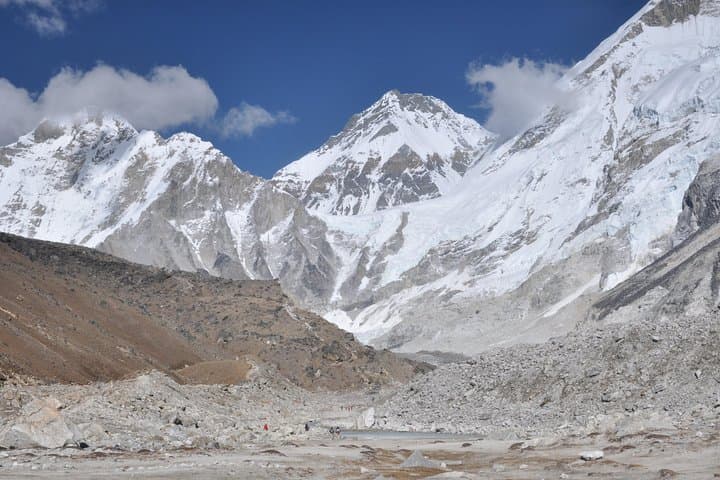
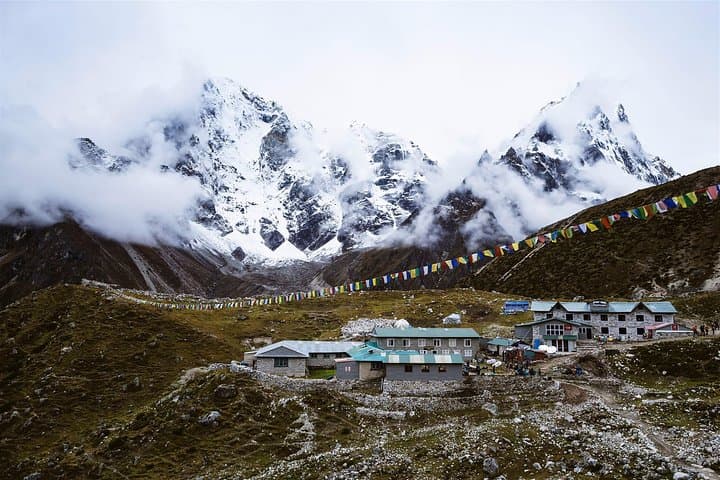
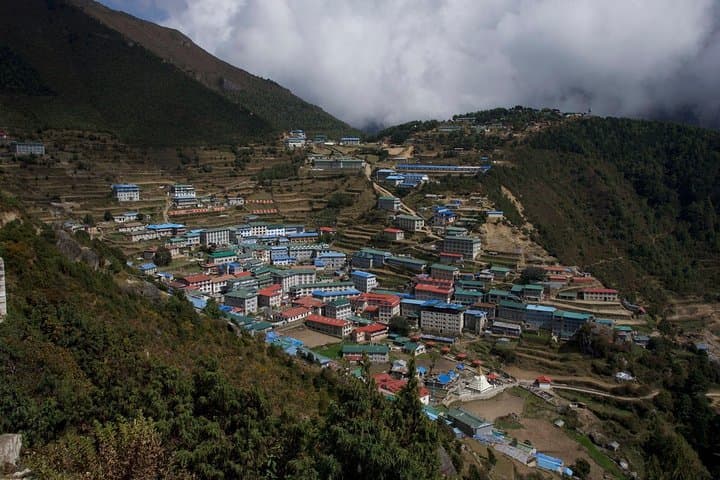
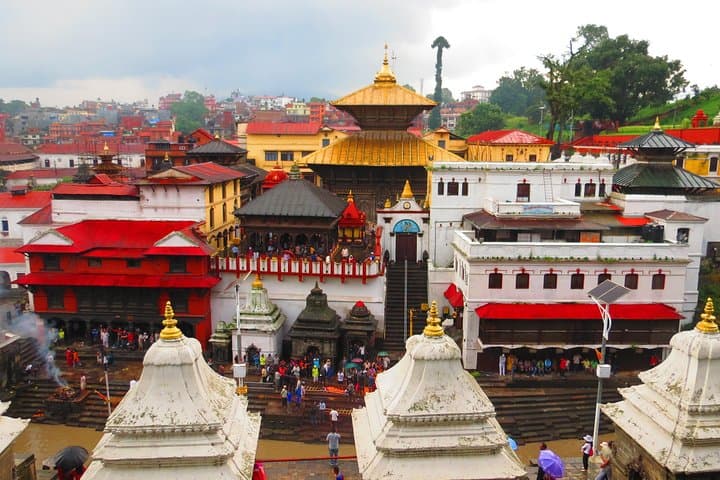
Morning light slices the high ridges as trekkers step off the short flight into Lukla and into a landscape that quickly sheds the comforts of the lowlands. The trail threads river canyons and rhododendron groves, climbs through Sherpa villages where prayer flags snap at every ridge, and finally pushes onto the grey, glacial moraine that leads to Gorakshep and Everest Base Camp.
Morning light slices the high ridges as trekkers step off the short flight into Lukla and into a landscape that quickly sheds the comforts of the lowlands. The trail threads river canyons and rhododendron groves, climbs through Sherpa villages where prayer flags snap at every ridge, and finally pushes onto the grey, glacial moraine that leads to Gorakshep and Everest Base Camp.
The route follows routes first traveled by traders and later mapped by early mountaineers; it crosses the Khumbu Glacier and skirts moraines shaped by millennia of ice. Geology here is raw—uplifted metamorphic rocks and ice-polished valleys that reveal the Himalayan collision zone where the Indian plate still forces the crust skyward.
Culture is present at every teahouse: Sherpa hospitality, Buddhist monasteries and mani stones mark rest points and offer context to the landscape’s human history. Local guides explain prayer rituals and the high-altitude farming that supports settlements like Namche and Tengboche.
Practical guidance: plan for 14 days including two rest/acclimatization stops; total walking distance from Lukla to Kala Patthar and back is roughly 130 km with day-to-day gains cumulative to 5,545 m at Kala Patthar. Expect rocky, icy and sometimes windy terrain—sturdy boots and gaiters are non-negotiable. Hydration and slow pacing are essential for acclimatization; allow at least two full acclimatization days and consider acetazolamide only after consulting a physician.
Flights into Lukla are weather-dependent—build flex into your schedule. Nights are in lodges/tea houses; pack layers, a warm sleeping bag and a sense of patience: the mountains set the timetable, not the traveler.