THE ADVENTURE COLLECTIVE® · Independent discovery and booking for outdoor travel

A 14-day, high-altitude trek from Lukla to Everest Base Camp and Kala Patthar that combines Sherpa culture with dramatic glacier and mountain views. Ideal for trekkers prepared for long days, altitude gain and rustic tea-house accommodation.
A 14-day, high-altitude trek from Lukla to Everest Base Camp and Kala Patthar that combines Sherpa culture with dramatic glacier and mountain views. Ideal for trekkers prepared for long days, altitude gain and rustic tea-house accommodation.
The trail begins with a short, sky-strewn flight from Kathmandu and the sharp drop into Lukla’s stone runway. From there the path threads Sherpa villages, prayer-flagged ridgelines and rivers that seem to dare you onward toward a horizon of towering white.
Verified experiences and guided adventures in the surrounding area.
Operated by Eco Holidays Nepal · Lukla, Koshi Province
The trail begins with a short, sky-strewn flight from Kathmandu and the sharp drop into Lukla’s stone runway. From there the path threads Sherpa villages, prayer-flagged ridgelines and rivers that seem to dare you onward toward a horizon of towering white.
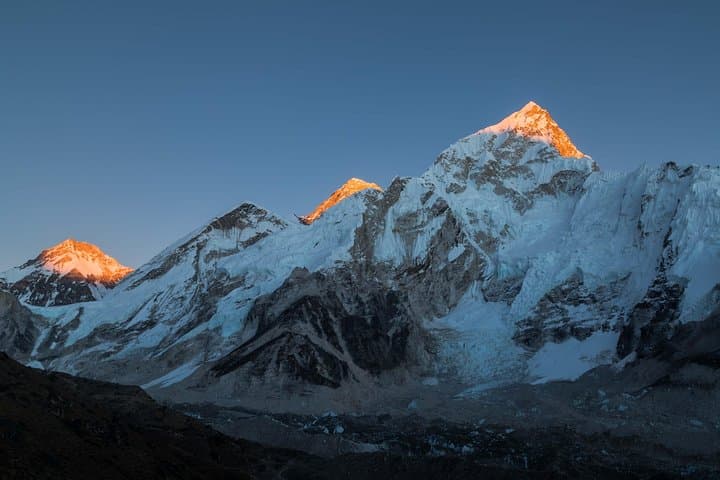
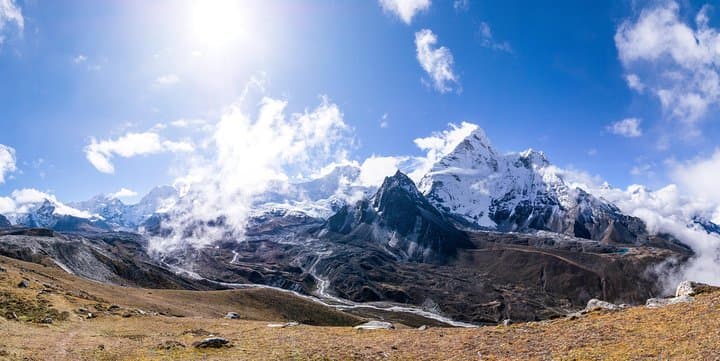
This route follows centuries-old trade and pilgrimage corridors through Sagarmatha National Park, a UNESCO site carved by tectonics and glaciers. Villages like Namche Bazaar and Tengboche carry Sherpa culture and mountaineering history—monasteries, mani walls and cafés where climbers still compare route notes. Geologically the valley is young: steep moraines, exposed glacial ice, and barren high camps give way to moraine fields approaching Everest Base Camp (5,364 m). Kalapathar (about 5,545 m) delivers the clearest vantage for Everest’s southern face.
Practically, expect 5–7 hours of walking on several days, with ascents from Lukla (2,830 m) through Namche (3,440 m) to high camps above 4,500 m. Terrain varies from forested trails and suspension bridges to rocky moraines and icy scree; incremental acclimatization days are essential. Weather shifts fast—clear mornings can become wind-swept afternoons—so layer, hydrate, and pace uphill to manage altitude.
Logistics: flights to Lukla are weather-dependent; tea-house lodgings and guided permits are standard; pack a warm down jacket, sturdy boots, and solar backup for electronics. For trekkers seeking raw high-altitude exposure, the route is direct, dramatic and demanding—rewarding those prepared with breathtaking icefall views, intimate Sherpa hospitality and the rare silence found above 5,000 meters.
challenging.
13–14 days.
Good aerobic fitness and experience with multi-day trekking at altitude; ability to walk 5–7 hours on uneven terrain for several consecutive days.
Yes—trekking in Sagarmatha National Park requires a TIMS card and park permits; organized treks typically handle these for you.
Key elevations include Lukla (≈2,830 m), Namche Bazaar (≈3,440 m), Everest Base Camp (≈5,364 m) and Kala Patthar (≈5,545 m).
No—flights are weather-dependent. Airlines often fly early when visibility is best; schedule buffer days in Kathmandu for possible delays.
Moderate to high fitness with previous multi-day trekking experience recommended and the ability to tolerate sustained uphill walking and altitude exposure.
This corridor has been a trade and pilgrimage route for Sherpa communities for centuries and became internationally prominent after 20th-century mountaineering expeditions; Sagarmatha National Park protects both natural and cultural heritage.
The high Himalaya is ecologically fragile—stick to established trails, pack out nonbiodegradable waste, and respect local water sources and prayer sites to minimize impact.
Eco Holidays Nepal operates guided outdoor trips and adventures with an emphasis on safety, stewardship, and memorable experiences.
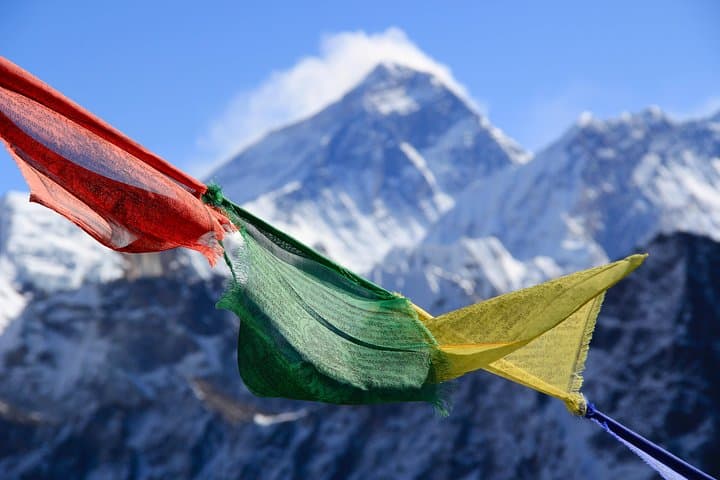
The trail begins with a short, sky-strewn flight from Kathmandu and the sharp drop into Lukla’s stone runway. From there the path threads Sherpa villages, prayer-flagged ridgelines and rivers that seem to dare you onward toward a horizon of towering white.
The trail begins with a short, sky-strewn flight from Kathmandu and the sharp drop into Lukla’s stone runway. From there the path threads Sherpa villages, prayer-flagged ridgelines and rivers that seem to dare you onward toward a horizon of towering white.
This route follows centuries-old trade and pilgrimage corridors through Sagarmatha National Park, a UNESCO site carved by tectonics and glaciers. Villages like Namche Bazaar and Tengboche carry Sherpa culture and mountaineering history—monasteries, mani walls and cafés where climbers still compare route notes. Geologically the valley is young: steep moraines, exposed glacial ice, and barren high camps give way to moraine fields approaching Everest Base Camp (5,364 m). Kalapathar (about 5,545 m) delivers the clearest vantage for Everest’s southern face.
Practically, expect 5–7 hours of walking on several days, with ascents from Lukla (2,830 m) through Namche (3,440 m) to high camps above 4,500 m. Terrain varies from forested trails and suspension bridges to rocky moraines and icy scree; incremental acclimatization days are essential. Weather shifts fast—clear mornings can become wind-swept afternoons—so layer, hydrate, and pace uphill to manage altitude.
Logistics: flights to Lukla are weather-dependent; tea-house lodgings and guided permits are standard; pack a warm down jacket, sturdy boots, and solar backup for electronics. For trekkers seeking raw high-altitude exposure, the route is direct, dramatic and demanding—rewarding those prepared with breathtaking icefall views, intimate Sherpa hospitality and the rare silence found above 5,000 meters.