THE ADVENTURE COLLECTIVE® · Independent discovery and booking for outdoor travel

Take a 16-day, high-altitude journey from Kathmandu to Everest Base Camp and Kala Patthar, traversing 90 km of classic Khumbu trails, Sherpa villages and glacial landscapes. This itinerary balances acclimatization with full-board teahouse stays and local guides to help experienced trekkers reach the high viewpoints.
Take a 16-day, high-altitude journey from Kathmandu to Everest Base Camp and Kala Patthar, traversing 90 km of classic Khumbu trails, Sherpa villages and glacial landscapes. This itinerary balances acclimatization with full-board teahouse stays and local guides to help experienced trekkers reach the high viewpoints.
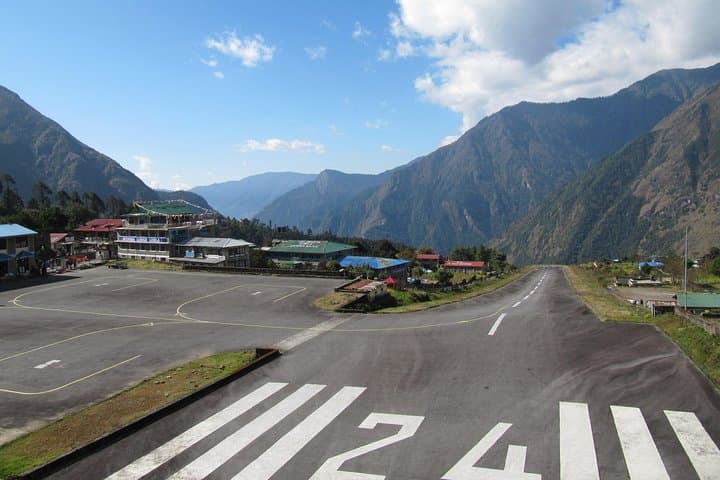
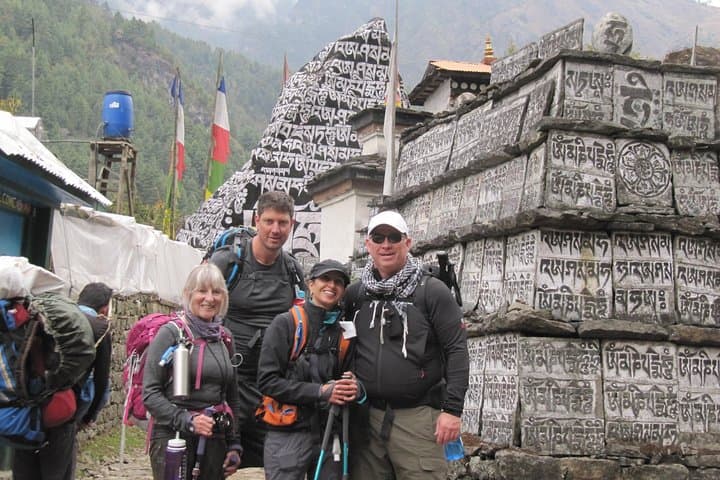
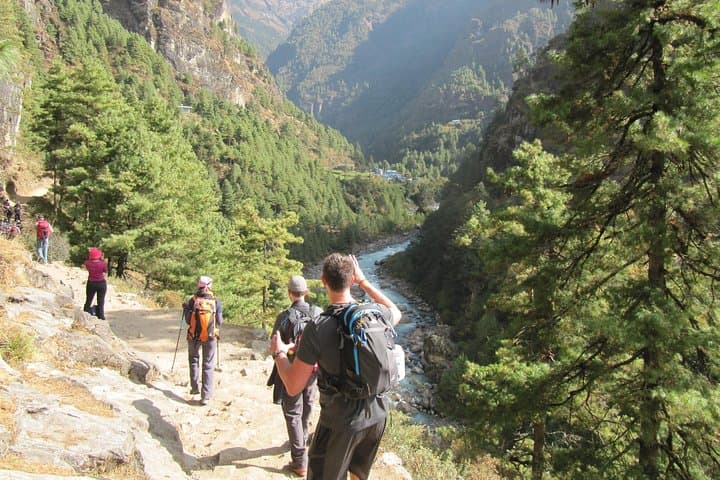
Morning light breaks over Kathmandu with the taste of yak butter tea still in the air and, hours later, the Lukla runway below you — a brief, heart-steadying flight that deposits trekkers into the high rhythm of the Khumbu. Trails follow the Dudh Koshi river, cross prayer-flag-draped suspension bridges and climb through pine and rhododendron into Sherpa villages where stone walls and prayer mani mark human presence against a long ice-carved skyline.
Verified experiences and guided adventures in the surrounding area.
Operated by Himalayan Planet Adventures · Kathmandu, Bagmati Province
Morning light breaks over Kathmandu with the taste of yak butter tea still in the air and, hours later, the Lukla runway below you — a brief, heart-steadying flight that deposits trekkers into the high rhythm of the Khumbu. Trails follow the Dudh Koshi river, cross prayer-flag-draped suspension bridges and climb through pine and rhododendron into Sherpa villages where stone walls and prayer mani mark human presence against a long ice-carved skyline.
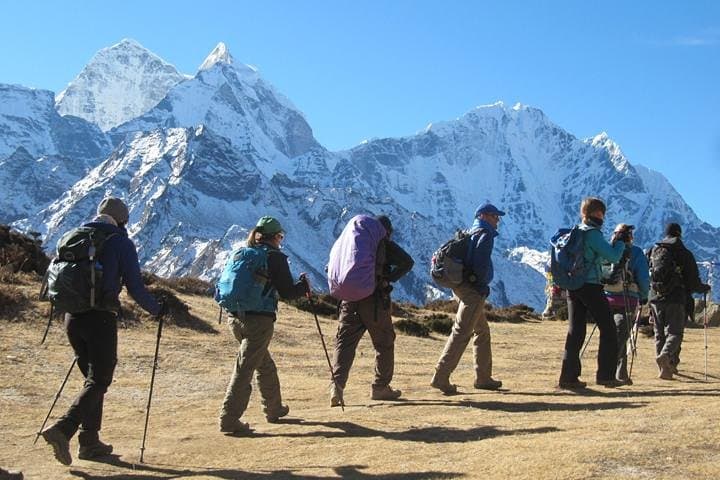
The route threads Sagarmatha National Park (a UNESCO site), carved by the collision of the Indian and Eurasian plates; glaciers and moraines open views of Everest, Lhotse and Ama Dablam. Sherpa culture is visible in monasteries at Tengboche and Tyangboche, and in the bazaar life of Namche, a traditional trade hub transformed by trekking.
Practically, expect roughly 90 km of walking across 12–13 trekking days, with altitudes from 1,300 m in Kathmandu to Kalapathar at about 5,550 m and Everest Base Camp ~5,360 m. The itinerary builds acclimatization days at Namche and Dingboche; slow ascents and hydration are essential. Lukla flights are weather dependent — schedule buffer days and consider travel insurance that covers helicopter evacuation for severe weather or medical emergency. Teahouse accommodation and full-board meals are standard on trek; pack layers for freezing pre-dawn starts, sun protection for exposed moraines, and basic first-aid for altitude symptoms. Guides and porters handle logistics and permits, allowing trekkers to focus on the trail, the changing light on the icefall, and the quiet of the high valley as wind and snow shape each day.
challenging.
12–16 days (16-day itinerary).
Good aerobic fitness; prior multi-day trekking experience at altitude is recommended
Expect sustained uphill and downhill walking at altitude; the itinerary includes acclimatization days to help, but solid cardiovascular conditioning and several multi-day hikes beforehand are recommended.
Pre-monsoon spring (March–May) and post-monsoon fall (September–November) offer the clearest weather and the warmest conditions for high-altitude trekking.
Operators typically hold a reserve day in the itinerary; extended delays may require switching airlines or, rarely, paying for helicopter transfer—budget for contingency time and costs.
Yes—Sagarmatha National Park permits and TIMS are required; hiring a registered guide and porter is standard and improves safety and logistics at high altitude.
The Khumbu valley is home to the Sherpa people and historic trade routes; Sagarmatha National Park was created to protect both cultural and glacial landscapes.
Respect park rules, avoid single-use plastics, and follow 'pack in, pack out' principles; the Himalayan Rescue Association provides high-altitude medical support and promotes safe trekking practices.
Himalayan Planet Adventures operates guided outdoor trips and adventures with an emphasis on safety, stewardship, and memorable experiences.
Morning light breaks over Kathmandu with the taste of yak butter tea still in the air and, hours later, the Lukla runway below you — a brief, heart-steadying flight that deposits trekkers into the high rhythm of the Khumbu. Trails follow the Dudh Koshi river, cross prayer-flag-draped suspension bridges and climb through pine and rhododendron into Sherpa villages where stone walls and prayer mani mark human presence against a long ice-carved skyline.
Morning light breaks over Kathmandu with the taste of yak butter tea still in the air and, hours later, the Lukla runway below you — a brief, heart-steadying flight that deposits trekkers into the high rhythm of the Khumbu. Trails follow the Dudh Koshi river, cross prayer-flag-draped suspension bridges and climb through pine and rhododendron into Sherpa villages where stone walls and prayer mani mark human presence against a long ice-carved skyline.
The route threads Sagarmatha National Park (a UNESCO site), carved by the collision of the Indian and Eurasian plates; glaciers and moraines open views of Everest, Lhotse and Ama Dablam. Sherpa culture is visible in monasteries at Tengboche and Tyangboche, and in the bazaar life of Namche, a traditional trade hub transformed by trekking.
Practically, expect roughly 90 km of walking across 12–13 trekking days, with altitudes from 1,300 m in Kathmandu to Kalapathar at about 5,550 m and Everest Base Camp ~5,360 m. The itinerary builds acclimatization days at Namche and Dingboche; slow ascents and hydration are essential. Lukla flights are weather dependent — schedule buffer days and consider travel insurance that covers helicopter evacuation for severe weather or medical emergency. Teahouse accommodation and full-board meals are standard on trek; pack layers for freezing pre-dawn starts, sun protection for exposed moraines, and basic first-aid for altitude symptoms. Guides and porters handle logistics and permits, allowing trekkers to focus on the trail, the changing light on the icefall, and the quiet of the high valley as wind and snow shape each day.