THE ADVENTURE COLLECTIVE® · Independent discovery and booking for outdoor travel

A 12-day trek from Lukla to Everest Base Camp and Kala Patthar that balances iconic high-altitude views with Sherpa culture and practical lodge-based logistics. Expect 5–6 hour hiking days, basic tea-house accommodations, and weather-sensitive flights.
A 12-day trek from Lukla to Everest Base Camp and Kala Patthar that balances iconic high-altitude views with Sherpa culture and practical lodge-based logistics. Expect 5–6 hour hiking days, basic tea-house accommodations, and weather-sensitive flights.
You step off the short Lukla airstrip into thin cold air that seems to pull at your lungs. Stones and prayer flags line the first trails; the valley breathes out ice and wind that will shape the next twelve days. Higher ridgelines reveal Everest peeking above a ladder of peaks, and Kala Patthar waits as the final vantage—black rock that amplifies the mountain’s presence.
Verified experiences and guided adventures in the surrounding area.
Operated by Trekking Guide Team Adventure · Lukla, Province No. 1
You step off the short Lukla airstrip into thin cold air that seems to pull at your lungs. Stones and prayer flags line the first trails; the valley breathes out ice and wind that will shape the next twelve days. Higher ridgelines reveal Everest peeking above a ladder of peaks, and Kala Patthar waits as the final vantage—black rock that amplifies the mountain’s presence.
The route threads Sherpa villages, mani stones and tea houses that grew with Himalayan mountaineering in the 20th century. Geology here is raw: uplifted sedimentary and metamorphic rock shaped by the collision of the Indian and Eurasian plates, glaciers carving steep valleys and leaving moraines that guide the trail. Cultural landmarks like Tengboche Monastery are living centers of Buddhist practice and community life—places where local prayer and international climbing history intersect.
Expect daily hikes of 5–6 hours on uneven stone steps and dusty paths, with steep ascents on acclimatization days. The air becomes a force you negotiate—cold wind pushing, sun rewarding, altitude demanding patience. Lodges provide basic meals and bunk-style rooms; services focus on recovery and fuel for the next day.
Practical guidance: prioritize acclimatization days, drink frequently, sleep lower than you hike, and carry a quality down layer for nights. Footwear with solid ankle support and a good pair of trekking poles will save knees on long descents. Flights to Lukla are weather-dependent—plan buffer days. With preparation, this trek is a high-altitude expedition accessible to fit, determined hikers who respect the mountain and local culture.
challenging.
12 days.
Good cardiovascular fitness and endurance for consecutive days of hiking and high-altitude exposure are required.
Yes—trekkers must carry a TIMS card and Sagarmatha National Park permit; guides or operators usually arrange these before departure.
Most itineraries include an early flight from Kathmandu to Lukla; weather can delay flights, so allow contingency days.
Acute Mountain Sickness can cause headache, nausea, dizziness and fatigue—descend if symptoms worsen and follow acclimatization protocols.
Tea houses provide simple twin rooms and shared toilets, hot meals, and charging services—expect basic but adequate facilities for recovery.
The Khumbu valley has long been home to Sherpa communities whose mountain-guiding skills became central to Himalayan exploration since the 1920s; Tengboche and Namche evolved as cultural hubs for climbers and traders.
Trail and lodge networks strain local resources—pack out waste where possible, use refillable water, and support companies that contribute to local conservation and community projects.
Trekking Guide Team Adventure operates guided outdoor trips and adventures with an emphasis on safety, stewardship, and memorable experiences.
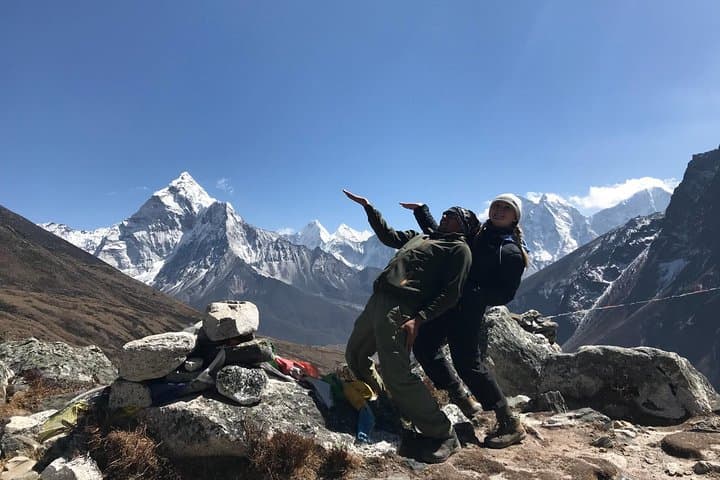
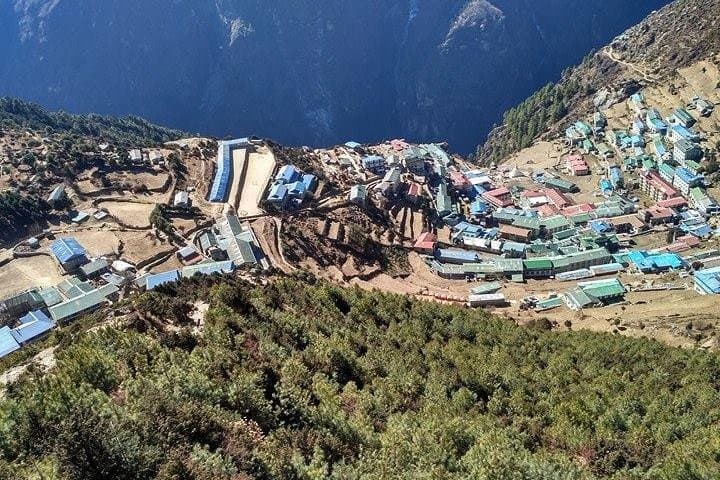
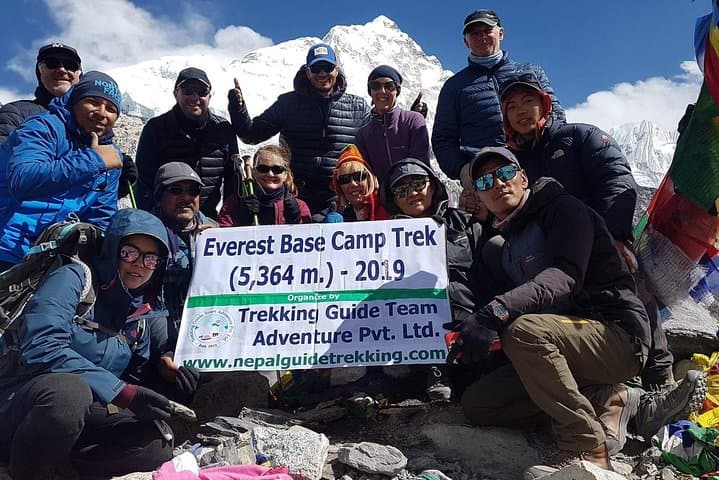
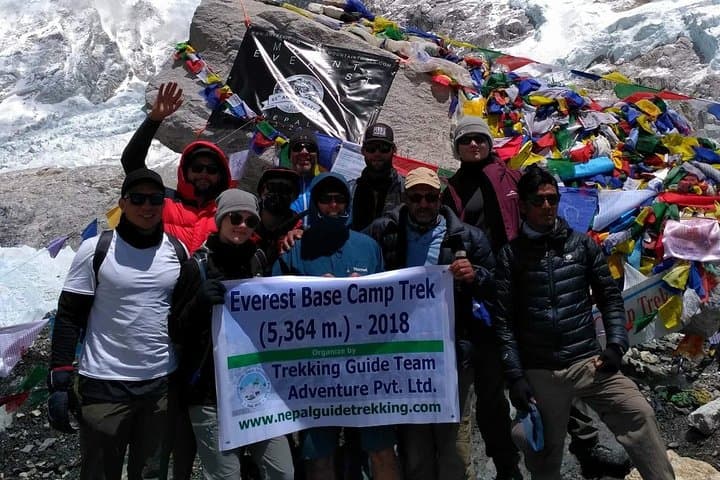
You step off the short Lukla airstrip into thin cold air that seems to pull at your lungs. Stones and prayer flags line the first trails; the valley breathes out ice and wind that will shape the next twelve days. Higher ridgelines reveal Everest peeking above a ladder of peaks, and Kala Patthar waits as the final vantage—black rock that amplifies the mountain’s presence.
You step off the short Lukla airstrip into thin cold air that seems to pull at your lungs. Stones and prayer flags line the first trails; the valley breathes out ice and wind that will shape the next twelve days. Higher ridgelines reveal Everest peeking above a ladder of peaks, and Kala Patthar waits as the final vantage—black rock that amplifies the mountain’s presence.
The route threads Sherpa villages, mani stones and tea houses that grew with Himalayan mountaineering in the 20th century. Geology here is raw: uplifted sedimentary and metamorphic rock shaped by the collision of the Indian and Eurasian plates, glaciers carving steep valleys and leaving moraines that guide the trail. Cultural landmarks like Tengboche Monastery are living centers of Buddhist practice and community life—places where local prayer and international climbing history intersect.
Expect daily hikes of 5–6 hours on uneven stone steps and dusty paths, with steep ascents on acclimatization days. The air becomes a force you negotiate—cold wind pushing, sun rewarding, altitude demanding patience. Lodges provide basic meals and bunk-style rooms; services focus on recovery and fuel for the next day.
Practical guidance: prioritize acclimatization days, drink frequently, sleep lower than you hike, and carry a quality down layer for nights. Footwear with solid ankle support and a good pair of trekking poles will save knees on long descents. Flights to Lukla are weather-dependent—plan buffer days. With preparation, this trek is a high-altitude expedition accessible to fit, determined hikers who respect the mountain and local culture.