THE ADVENTURE COLLECTIVE® · Independent discovery and booking for outdoor travel

Combine the classic trek to Everest Base Camp with a technical ascent of Island Peak (Imja Tse). This 16–18 day Khumbu route blends Sherpa culture, high-alpine scenery, and basic glacier travel for an intense, high-altitude adventure.
Combine the classic trek to Everest Base Camp with a technical ascent of Island Peak (Imja Tse). This 16–18 day Khumbu route blends Sherpa culture, high-alpine scenery, and basic glacier travel for an intense, high-altitude adventure.
The trail opens with a thin morning light on Kathmandu’s chaotic streets and ends where stone and ice take the last word: a long pull through the Khumbu that places you at Everest Base Camp and then on the glacier to Island Peak.
Verified experiences and guided adventures in the surrounding area.
Operated by Accessible Adventure Pvt. Ltd · Lukla, Solukhumbu
The trail opens with a thin morning light on Kathmandu’s chaotic streets and ends where stone and ice take the last word: a long pull through the Khumbu that places you at Everest Base Camp and then on the glacier to Island Peak.
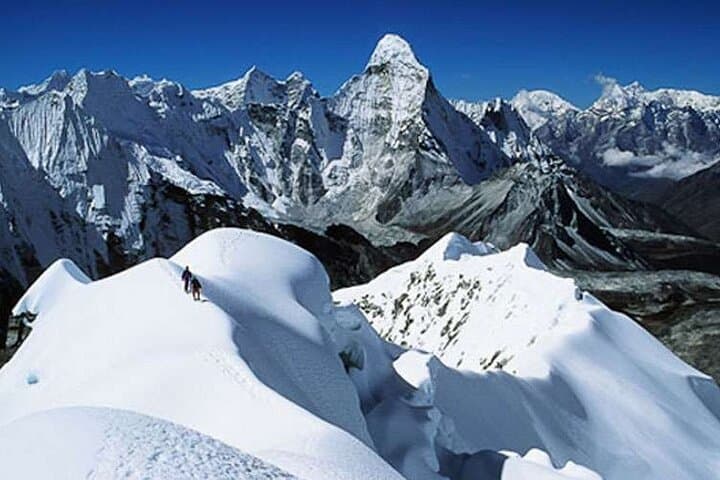
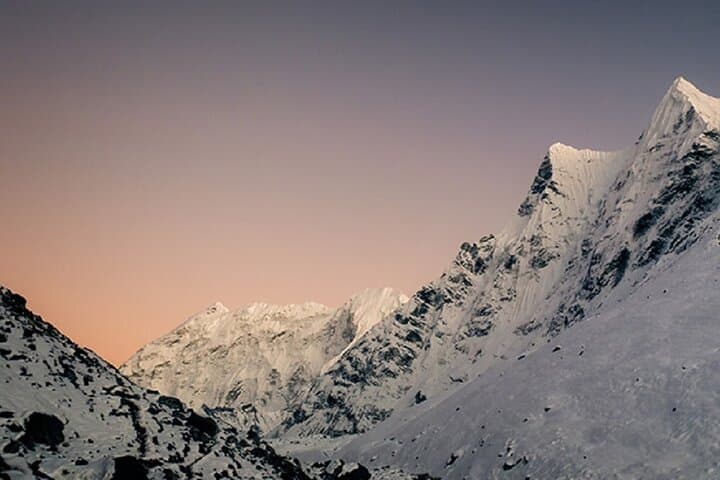
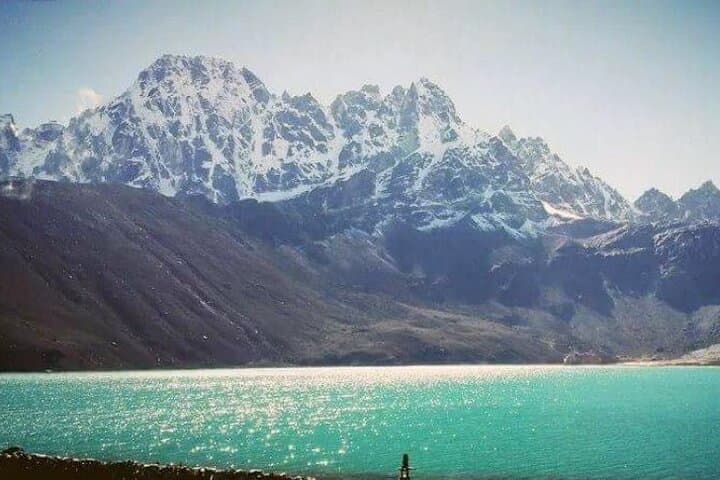
This itinerary threads Sherpa villages, rhododendron forests, and moraines. You pass Lukla airstrip (2,860 m), climb to Namche Bazaar (3,440 m) for acclimatization, then ascend through Tengboche toward the high camps. Geology here is dramatic—young, uplifted Himalayan rock and active glacial sculpting create jagged cols, blue-tinged icefalls, and moraine ridges that define the route to the Khumbu Icefall and Imja Glacier below Island Peak (Imja Tse, 6,189 m).
Culturally, the trek runs through Sagarmatha National Park, home to centuries of Sherpa mountaineering tradition and sturdy, prayer-flagged monasteries. The landscape exerts a will of its own: wind funnels through passes, and sunlight can harden snow to glass in hours.
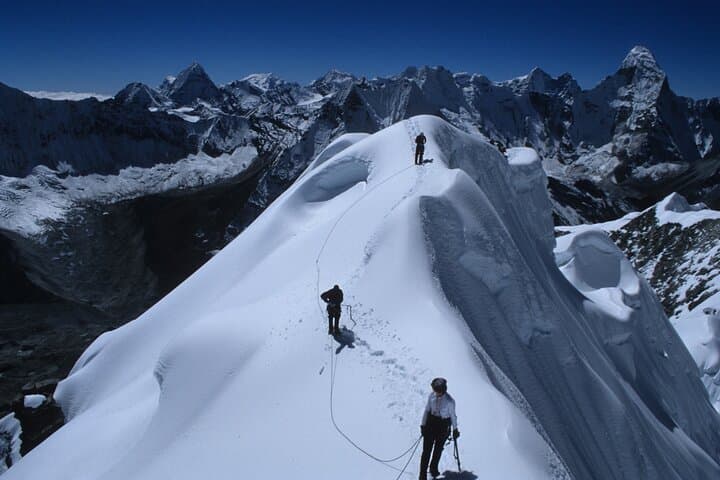
Practically, expect 16–18 days of walking with multiple nights at teahouses, and technical summit days on Island Peak requiring rope, crampon, and basic alpine skills. Permits (TIMS, Sagarmatha NP, Island Peak) and experienced climbing guides are standard; porter support eases logistics.
Plan for layered insulation, strict acclimatization, and flexible itineraries for weather. Hydration, sun protection, and a measured pace are more important than speed. If you want a genuine high-altitude experience that combines long-distance trekking with an introductory alpine summit, this route delivers both exposure and context—rewarding effort with close views of the world’s highest peaks.
difficult.
16–18 days.
Requires excellent cardiovascular fitness, endurance for multi-day trekking at altitude, and the ability to carry a daypack of 8–12 kg; prior multi-day hikes recommended.
TIMS and Sagarmatha National Park permits are required for the trek; an Island Peak climbing permit is also mandatory—your operator usually arranges these.
Island Peak (Imja Tse) is 6,189 m; the final ascent involves fixed rope sections, cramponed glacier travel, and basic belayed moves—guided technical instruction is standard.
Strong fitness is necessary but prior high-altitude experience helps; people susceptible to altitude sickness may need extra acclimatization days or to reconsider.
Most itineraries start with a Kathmandu arrival and a short flight to Lukla (or a trek-in alternative); Lukla is the usual gateway to the Khumbu.
The Khumbu has been a Sherpa homeland for centuries; Sagarmatha National Park, established in 1976, protects both local culture and unique Himalayan ecosystems.
Permits fund park operations and trail maintenance; minimize impact by packing out waste, using local services, and supporting fair wages for porters and guides.
Accessible Adventure Pvt. Ltd operates guided outdoor trips and adventures with an emphasis on safety, stewardship, and memorable experiences.
The trail opens with a thin morning light on Kathmandu’s chaotic streets and ends where stone and ice take the last word: a long pull through the Khumbu that places you at Everest Base Camp and then on the glacier to Island Peak.
The trail opens with a thin morning light on Kathmandu’s chaotic streets and ends where stone and ice take the last word: a long pull through the Khumbu that places you at Everest Base Camp and then on the glacier to Island Peak.
This itinerary threads Sherpa villages, rhododendron forests, and moraines. You pass Lukla airstrip (2,860 m), climb to Namche Bazaar (3,440 m) for acclimatization, then ascend through Tengboche toward the high camps. Geology here is dramatic—young, uplifted Himalayan rock and active glacial sculpting create jagged cols, blue-tinged icefalls, and moraine ridges that define the route to the Khumbu Icefall and Imja Glacier below Island Peak (Imja Tse, 6,189 m).
Culturally, the trek runs through Sagarmatha National Park, home to centuries of Sherpa mountaineering tradition and sturdy, prayer-flagged monasteries. The landscape exerts a will of its own: wind funnels through passes, and sunlight can harden snow to glass in hours.
Practically, expect 16–18 days of walking with multiple nights at teahouses, and technical summit days on Island Peak requiring rope, crampon, and basic alpine skills. Permits (TIMS, Sagarmatha NP, Island Peak) and experienced climbing guides are standard; porter support eases logistics.
Plan for layered insulation, strict acclimatization, and flexible itineraries for weather. Hydration, sun protection, and a measured pace are more important than speed. If you want a genuine high-altitude experience that combines long-distance trekking with an introductory alpine summit, this route delivers both exposure and context—rewarding effort with close views of the world’s highest peaks.