THE ADVENTURE COLLECTIVE® · Independent discovery and booking for outdoor travel

A short helicopter flight delivers you to the edge of the high Himalaya for a landing near Everest Base Camp. Expect sweeping views of Everest, Lhotse and Makalu, a quick breakfast on the moraine, and strict weather‑dependent scheduling.
A short helicopter flight delivers you to the edge of the high Himalaya for a landing near Everest Base Camp. Expect sweeping views of Everest, Lhotse and Makalu, a quick breakfast on the moraine, and strict weather‑dependent scheduling.
You helicopter out of the valley and, within an hour, the world narrows to jagged ridgelines and snowfields. The rotors beat a steady pulse while the roof of the world opens: Everest rises, a clean pyramid between Lhotse and Nuptse, glaciers threading down into crevassed bowls. The landing site feels improbably close to the sky—cold, bright, and thin.
Verified experiences and guided adventures in the surrounding area.
Operated by Nepal Adventure Team · Gorak Shep, Province No. 1
You helicopter out of the valley and, within an hour, the world narrows to jagged ridgelines and snowfields. The rotors beat a steady pulse while the roof of the world opens: Everest rises, a clean pyramid between Lhotse and Nuptse, glaciers threading down into crevassed bowls. The landing site feels improbably close to the sky—cold, bright, and thin.
Geology here is dramatic: the Himalaya are the result of the Indian plate colliding with Eurasia, thrusting marine rocks into alpine heights. Culturally the route crosses Sherpa country and Sagarmatha National Park—established in the 1970s and protected for its unique high‑altitude ecology and mountaineering history. From the air you can read centuries of uplift in the strata and the villages tucked on the lower flanks.
On a typical landing tour you get a short, focused stop on the moraine near Gorak Shep or a designated helipad, long enough for a quick breakfast and wide-angle shots. The pilot circles for views of Makalu, Cho Oyu, and the icefall; you’ll feel the altitude in your breath even if your legs stay steady.
Practicalities matter: flights are weather dependent and can be delayed or canceled, so keep flexible plans. Dress in insulated layers, protect eyes from reflected glare, and leave heavy luggage behind—operators limit weight for safety. If you’ve had little time to acclimatize, move slowly during the stop and prioritize hydration.
This trip compresses days of trekking into a few hours of airborne perspective—ideal for travelers short on time who still want a visceral encounter with the high Himalaya. Book morning departures for the most stable visibility and expect a mix of exhilaration and altitude caution.
moderate.
3 hours.
Moderate fitness recommended: you won’t trek far but rapid gain in altitude can affect breathing and stamina.
The scheduled flight time is about three hours from departure to return, with roughly 15–25 minutes on the ground near the base camp area.
Yes—most tours include a short landing at a designated helipad or moraine area for photos and a quick meal, but operators restrict movement for safety and time.
Flights are weather dependent; visibility, wind, and cloud conditions frequently cause delays or cancellations—book with flexible plans and allow buffer days.
Yes—because you ascend rapidly to very high elevations, travelers with minimal acclimatization can feel symptoms; stay hydrated and move slowly during the stop.
The region sits within Sagarmatha National Park, protected since the 1970s; Sherpa communities have guided mountaineering expeditions here for generations.
High‑altitude tourism impacts include waste and pressure on fragile ecosystems—use operators who follow park rules and pay local fees that support conservation.
Nepal Adventure Team operates guided outdoor trips and adventures with an emphasis on safety, stewardship, and memorable experiences.
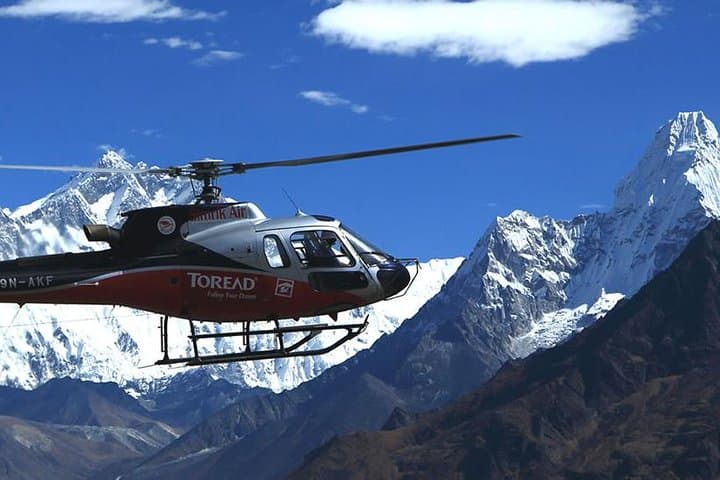
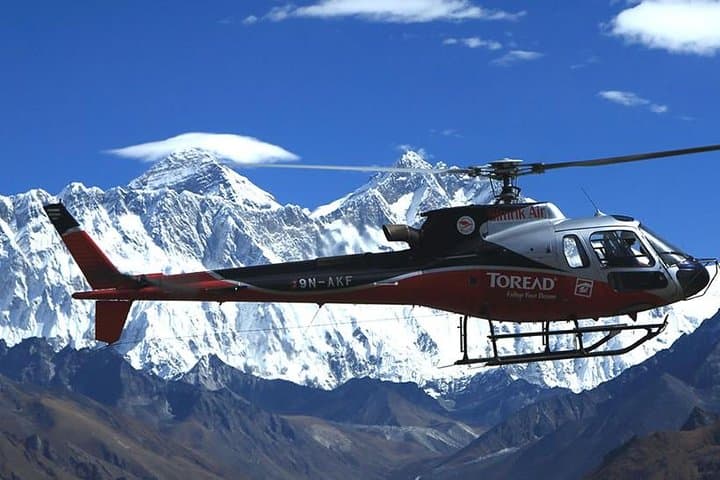
You helicopter out of the valley and, within an hour, the world narrows to jagged ridgelines and snowfields. The rotors beat a steady pulse while the roof of the world opens: Everest rises, a clean pyramid between Lhotse and Nuptse, glaciers threading down into crevassed bowls. The landing site feels improbably close to the sky—cold, bright, and thin.
You helicopter out of the valley and, within an hour, the world narrows to jagged ridgelines and snowfields. The rotors beat a steady pulse while the roof of the world opens: Everest rises, a clean pyramid between Lhotse and Nuptse, glaciers threading down into crevassed bowls. The landing site feels improbably close to the sky—cold, bright, and thin.
Geology here is dramatic: the Himalaya are the result of the Indian plate colliding with Eurasia, thrusting marine rocks into alpine heights. Culturally the route crosses Sherpa country and Sagarmatha National Park—established in the 1970s and protected for its unique high‑altitude ecology and mountaineering history. From the air you can read centuries of uplift in the strata and the villages tucked on the lower flanks.
On a typical landing tour you get a short, focused stop on the moraine near Gorak Shep or a designated helipad, long enough for a quick breakfast and wide-angle shots. The pilot circles for views of Makalu, Cho Oyu, and the icefall; you’ll feel the altitude in your breath even if your legs stay steady.
Practicalities matter: flights are weather dependent and can be delayed or canceled, so keep flexible plans. Dress in insulated layers, protect eyes from reflected glare, and leave heavy luggage behind—operators limit weight for safety. If you’ve had little time to acclimatize, move slowly during the stop and prioritize hydration.
This trip compresses days of trekking into a few hours of airborne perspective—ideal for travelers short on time who still want a visceral encounter with the high Himalaya. Book morning departures for the most stable visibility and expect a mix of exhilaration and altitude caution.