THE ADVENTURE COLLECTIVE® · Independent discovery and booking for outdoor travel

Fly from Kathmandu into the high Himalaya on a helicopter tour that brings Everest’s peaks within arm’s reach. Short landings and dramatic viewpoints let you experience EBC’s landscapes without days of trekking.
Fly from Kathmandu into the high Himalaya on a helicopter tour that brings Everest’s peaks within arm’s reach. Short landings and dramatic viewpoints let you experience EBC’s landscapes without days of trekking.
The helicopter lifts from Kathmandu and the valley peels away beneath you—rice terraces and cliffs shrink to a stitched pattern while the high peaks sharpen, snow and rock catching the light. Within an hour the Khumbu Himal appears: layered ridges, hanging glaciers and the vast, fluted face of Everest drawing the eye.
Verified experiences and guided adventures in the surrounding area.
Operated by Trekking Planner Nepal · Kathmandu, Bagmati Province
The helicopter lifts from Kathmandu and the valley peels away beneath you—rice terraces and cliffs shrink to a stitched pattern while the high peaks sharpen, snow and rock catching the light. Within an hour the Khumbu Himal appears: layered ridges, hanging glaciers and the vast, fluted face of Everest drawing the eye.
This flight threads modern aviation with a long Sherpa history of high-altitude travel; the region’s trails and tea houses grew from centuries of trade and pilgrimage, and mountaineering shaped the valley’s global story after Everest’s first ascents in the 1950s. Geologically, the range is young and rising fast—granite thrust up by the collision of the Indian and Eurasian plates—so expect sharp arêtes, blue-ice glaciers, and wind-sculpted moraines.
Culturally, you’ll see stone mani walls and prayer flags marking villages that balance tourism with yak pastures; pilots and local crews are experienced with thin-air logistics and the fragile mountain environment.
Practically, the tour is a high-reward, low-effort way to reach Everest’s doorstep: total booking time about four hours, actual flight segments roughly 45–60 minutes plus short refueling and landing stops in Lukla and near Everest View Hotel or Kalapatthar (landings depend on passenger count and package). Dress in warm, windproof layers, bring sun protection and a charged camera; altitude can make breathless moments brief but memorable.
Expect quick transitions, limited time on the ground (usually 45–60 minutes at a viewpoint or hotel), and variable landing permissions based on weather and weight. This is a front-row look at the world’s highest peaks with the logistics handled for you—arrive prepared and savor the views.
easy.
3–4 hours (total experience).
Suitable for most people in average fitness; minimal physical exertion but brief high-altitude effects possible
You must present a valid passport; ensure any Nepal visa requirements are met before travel.
Helicopters typically land near viewpoints like Everest View Hotel or Kalapatthar; landings at Kalapatthar may be restricted based on passenger count and weather, and private landings can be arranged at extra cost.
Most itineraries include 45–60 minutes at a viewpoint or hotel for photos and breakfast before returning to Kathmandu.
Operators often allow infants and older adults, but anyone with heart or respiratory conditions should consult a doctor—altitude can affect people differently.
The Khumbu valley combines Sherpa cultural heritage with the legacy of 20th-century mountaineering that turned these high trails into internationally known expedition routes.
High-altitude areas are ecologically fragile—stick to marked areas, carry out waste, and support local conservation initiatives to limit impacts from tourism.
Trekking Planner Nepal operates guided outdoor trips and adventures with an emphasis on safety, stewardship, and memorable experiences.
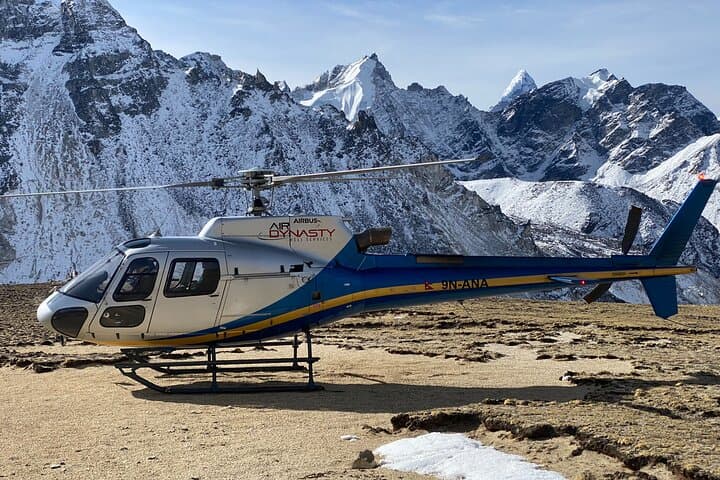
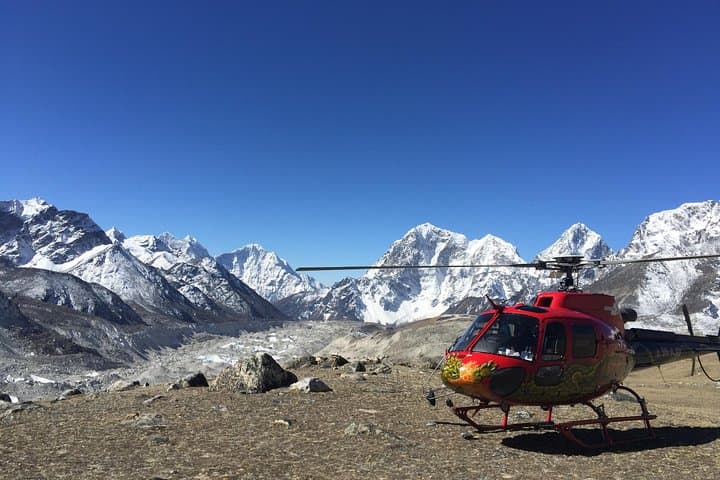
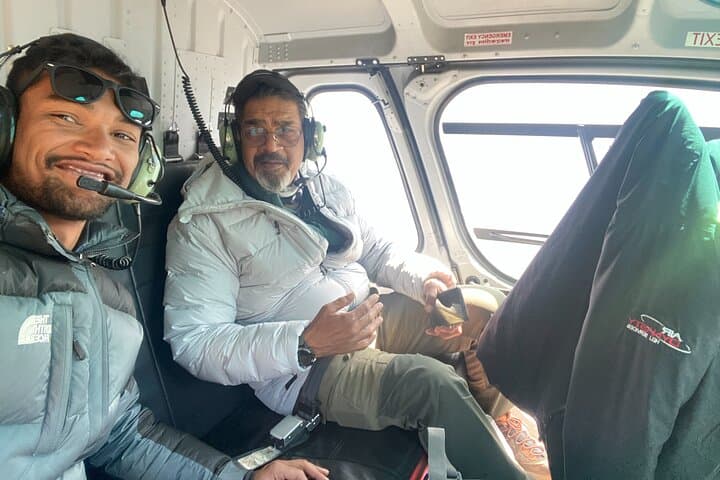
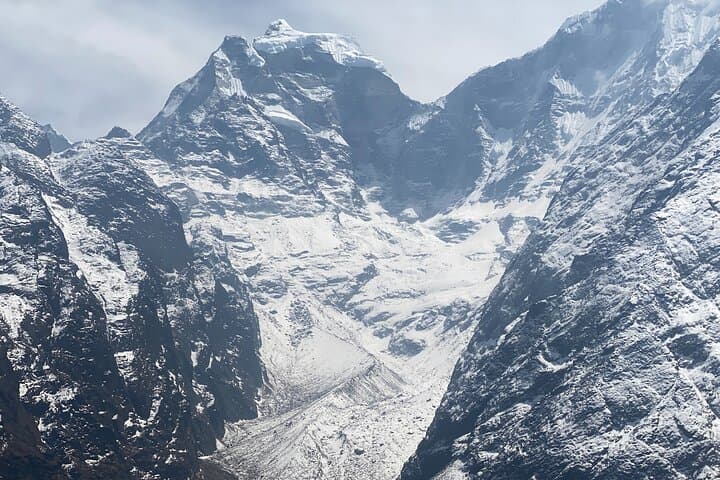
The helicopter lifts from Kathmandu and the valley peels away beneath you—rice terraces and cliffs shrink to a stitched pattern while the high peaks sharpen, snow and rock catching the light. Within an hour the Khumbu Himal appears: layered ridges, hanging glaciers and the vast, fluted face of Everest drawing the eye.
The helicopter lifts from Kathmandu and the valley peels away beneath you—rice terraces and cliffs shrink to a stitched pattern while the high peaks sharpen, snow and rock catching the light. Within an hour the Khumbu Himal appears: layered ridges, hanging glaciers and the vast, fluted face of Everest drawing the eye.
This flight threads modern aviation with a long Sherpa history of high-altitude travel; the region’s trails and tea houses grew from centuries of trade and pilgrimage, and mountaineering shaped the valley’s global story after Everest’s first ascents in the 1950s. Geologically, the range is young and rising fast—granite thrust up by the collision of the Indian and Eurasian plates—so expect sharp arêtes, blue-ice glaciers, and wind-sculpted moraines.
Culturally, you’ll see stone mani walls and prayer flags marking villages that balance tourism with yak pastures; pilots and local crews are experienced with thin-air logistics and the fragile mountain environment.
Practically, the tour is a high-reward, low-effort way to reach Everest’s doorstep: total booking time about four hours, actual flight segments roughly 45–60 minutes plus short refueling and landing stops in Lukla and near Everest View Hotel or Kalapatthar (landings depend on passenger count and package). Dress in warm, windproof layers, bring sun protection and a charged camera; altitude can make breathless moments brief but memorable.
Expect quick transitions, limited time on the ground (usually 45–60 minutes at a viewpoint or hotel), and variable landing permissions based on weather and weight. This is a front-row look at the world’s highest peaks with the logistics handled for you—arrive prepared and savor the views.