THE ADVENTURE COLLECTIVE® · Independent discovery and booking for outdoor travel

A single-day helicopter tour from Kathmandu puts Everest and the Khumbu peaks within arm’s reach—hovering over Base Camp, landing at Everest View Hotel, and returning the same day. Expect dramatic aerial perspectives, thin mountain air, and variable weather that can alter your schedule.
A single-day helicopter tour from Kathmandu puts Everest and the Khumbu peaks within arm’s reach—hovering over Base Camp, landing at Everest View Hotel, and returning the same day. Expect dramatic aerial perspectives, thin mountain air, and variable weather that can alter your schedule.
The helicopter lifts off from Kathmandu with the city shrinking beneath a patchwork of terraces and monasteries; within an hour the low hills give way to white teeth—ridges and seracs that seem to dare you closer. The rotors cut wind and the Khumbu Valley unfolds: villages perched on slopes, the slate roofs of Sherpa settlements, and the rising curtain of peaks culminating in Everest’s cold, unmistakable summit.
Verified experiences and guided adventures in the surrounding area.
Operated by Eco Holidays Nepal · Kathmandu, Bagmati Province
The helicopter lifts off from Kathmandu with the city shrinking beneath a patchwork of terraces and monasteries; within an hour the low hills give way to white teeth—ridges and seracs that seem to dare you closer. The rotors cut wind and the Khumbu Valley unfolds: villages perched on slopes, the slate roofs of Sherpa settlements, and the rising curtain of peaks culminating in Everest’s cold, unmistakable summit.
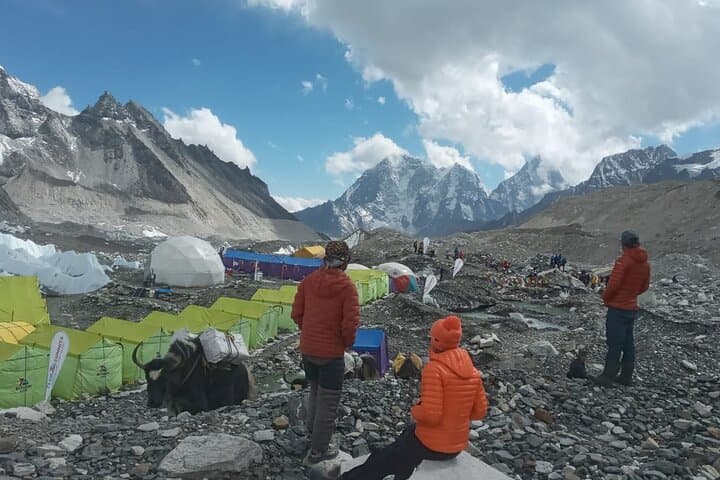
Geology here reads like an exposed crustal meeting: the Indian Plate shoved skyward against Eurasia, creating a jumble of granite summits, hanging glaciers and the chaotic Khumbu Icefall. The Sherpa culture—Buddhist prayer flags, mani walls and seasonal yak herding—frames every ridge and high meadow. Early explorers and mountaineers mapped routes through these valleys, but a modern helicopter tour compresses that history into panoramic context, offering views of Nuptse, Lhotse, Ama Dablam and the icefalls that feed the glaciers below.
Practicality follows the wonder. Most tours stop near Pheriche for scenic hovering over Base Camp and land at the Everest View Hotel for a brief break; expect intense sunlight, sudden wind and thin air above 3,800 m. Cameras and warm layers will be your constant companions—batteries drain fast in cold. Flights typically run 4–5 hours round trip from Kathmandu and can be canceled for weather; bring passport details and arrive with an empty stomach steadied by hydration. Plan your day with contingency: early departures maximize visibility and give you the clearest window on the world’s highest skyline.
easy.
4–5 hours.
Minimal fitness required for the flight and short walks at landing sites, but be prepared for altitude and brief uneven terrain.
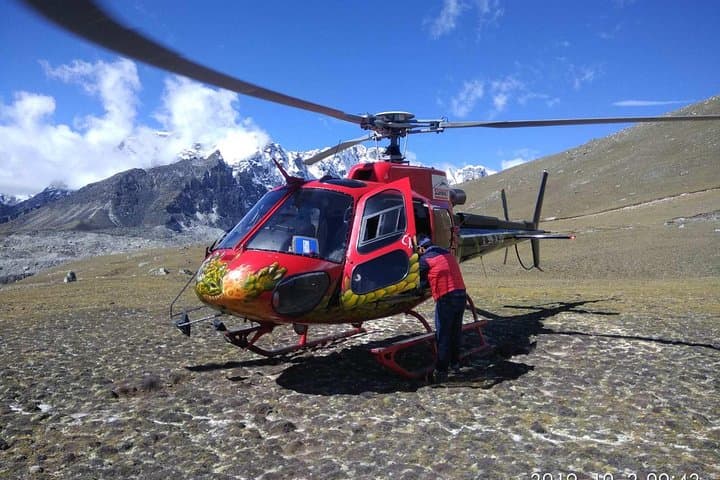
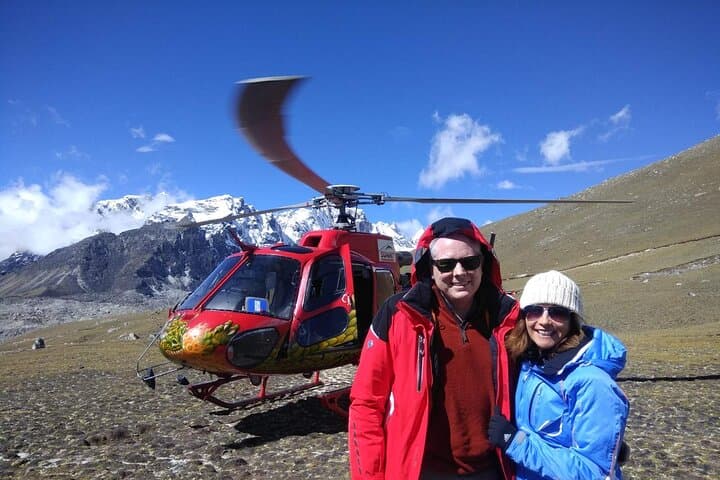
Most scenic heli tours hover over Base Camp or land at nearby clearings such as Pheriche, with a common landing and break at Everest View Hotel rather than at the exact Base Camp coordinates.
Tours typically last 4–5 hours round-trip from Kathmandu; early morning departures offer the best visibility and smoother air.
Flights are often canceled for poor visibility or unsafe weather; full refunds are usually available if canceled at least 24 hours in advance or by the operator for weather.
These flights are suitable for most fitness levels but are not recommended for pregnant travelers or those with serious cardiovascular issues; operators ask for medical and passport details at booking.
The Khumbu route became the gateway for Everest expeditions in the mid-20th century; helicopter access is a modern adaptation that opened high-altitude panoramas to non-climbers.
Heli traffic is regulated to minimize noise and disturbance; travelers should respect local waste rules and avoid dropping anything during landings to protect fragile alpine environments.
Eco Holidays Nepal operates guided outdoor trips and adventures with an emphasis on safety, stewardship, and memorable experiences.
The helicopter lifts off from Kathmandu with the city shrinking beneath a patchwork of terraces and monasteries; within an hour the low hills give way to white teeth—ridges and seracs that seem to dare you closer. The rotors cut wind and the Khumbu Valley unfolds: villages perched on slopes, the slate roofs of Sherpa settlements, and the rising curtain of peaks culminating in Everest’s cold, unmistakable summit.
The helicopter lifts off from Kathmandu with the city shrinking beneath a patchwork of terraces and monasteries; within an hour the low hills give way to white teeth—ridges and seracs that seem to dare you closer. The rotors cut wind and the Khumbu Valley unfolds: villages perched on slopes, the slate roofs of Sherpa settlements, and the rising curtain of peaks culminating in Everest’s cold, unmistakable summit.
Geology here reads like an exposed crustal meeting: the Indian Plate shoved skyward against Eurasia, creating a jumble of granite summits, hanging glaciers and the chaotic Khumbu Icefall. The Sherpa culture—Buddhist prayer flags, mani walls and seasonal yak herding—frames every ridge and high meadow. Early explorers and mountaineers mapped routes through these valleys, but a modern helicopter tour compresses that history into panoramic context, offering views of Nuptse, Lhotse, Ama Dablam and the icefalls that feed the glaciers below.
Practicality follows the wonder. Most tours stop near Pheriche for scenic hovering over Base Camp and land at the Everest View Hotel for a brief break; expect intense sunlight, sudden wind and thin air above 3,800 m. Cameras and warm layers will be your constant companions—batteries drain fast in cold. Flights typically run 4–5 hours round trip from Kathmandu and can be canceled for weather; bring passport details and arrive with an empty stomach steadied by hydration. Plan your day with contingency: early departures maximize visibility and give you the clearest window on the world’s highest skyline.