THE ADVENTURE COLLECTIVE® · Independent discovery and booking for outdoor travel

A high-altitude helicopter flight from Kathmandu that delivers close-up views of Everest, Kalapatthar and the Khumbu peaks with optional landings for breakfast and photos. Weather-dependent and timed for early-morning clarity.
A high-altitude helicopter flight from Kathmandu that delivers close-up views of Everest, Kalapatthar and the Khumbu peaks with optional landings for breakfast and photos. Weather-dependent and timed for early-morning clarity.
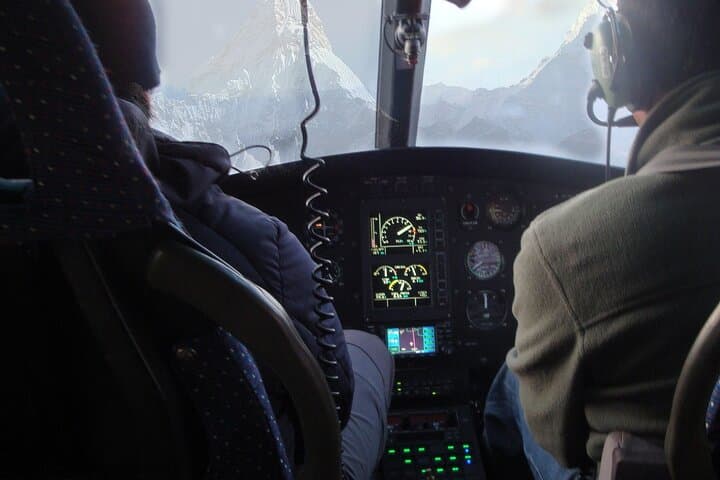
You lift off from Kathmandu before sunrise and the valley peels away beneath the helicopter like a map folding itself into the high Himalaya. Clouds sit low, the jagged skyline of the Khumbu rises ahead, and the pilot threads the aircraft toward Lukla’s tiny airstrip — a refueling pause before the mountains widen into a sea of ice.
Verified experiences and guided adventures in the surrounding area.
Operated by Travel Pinto · Kathmandu, Bagmati Province
You lift off from Kathmandu before sunrise and the valley peels away beneath the helicopter like a map folding itself into the high Himalaya. Clouds sit low, the jagged skyline of the Khumbu rises ahead, and the pilot threads the aircraft toward Lukla’s tiny airstrip — a refueling pause before the mountains widen into a sea of ice.
This aerial route crosses territory shaped by recent uplift and relentless glaciation: moraines, hanging glaciers and sharply serrated ridgelines carved from young Himalayan granite and metamorphic rock. The flight skirts the cultural heart of Sherpa country — villages oriented to prayer flags and teahouse roofs — offering a compressed history of mountaineering from early expeditions to the post-1953 tourism era.
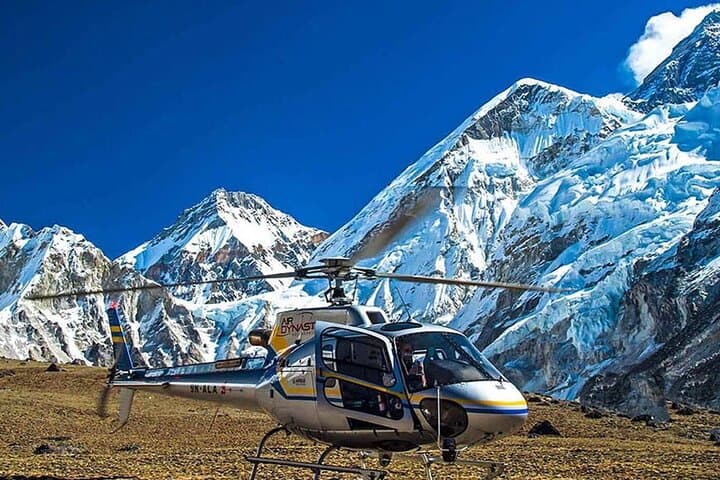
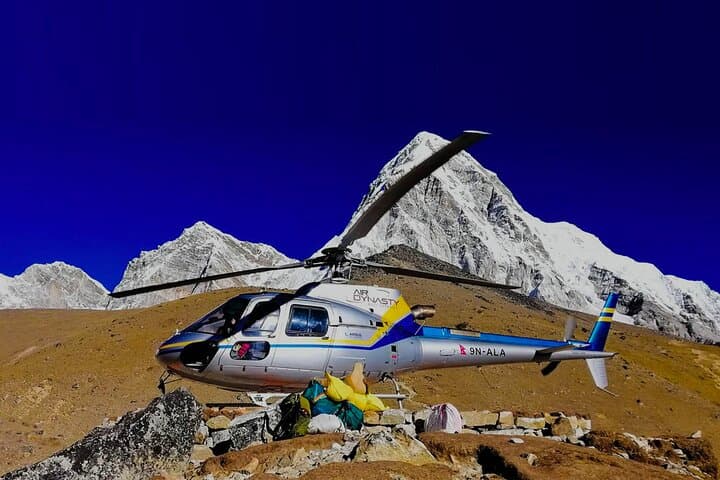
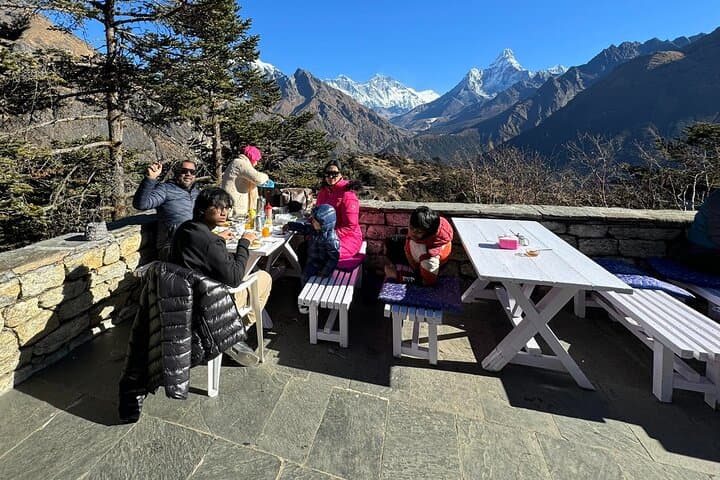
On clear days you’ll see Everest, Lhotse, Nuptse and Pumori with an immediacy that makes their scale obvious: snowfields daring you closer, crevasses pushing the eye toward distant summits. Weather governs every move; landings at Kalapatthar or the Everest View Hotel are subject to helipad conditions and visibility. The standard shared itinerary runs 4–6 hours with early-morning pickup from Kathmandu and a possible one-hour breakfast stop at Shangboche.
Practical notes: bring your passport for airport check-in, warm layered clothing (altitudes exceed 4,000 m on landing), and small cash for the hotel breakfast (about USD 31). This experience minimizes hiking but exposes you to high altitude and rapid temperature change — move deliberately, hydrate, and keep camera batteries warm.
If you want a window seat, communicate preferences early; operators split groups to maximize views. Above all, plan for weather-driven changes: the mountain always has the final say.
easy.
4–6 hours.
Requires only basic mobility to board and step off the helicopter but travelers should tolerate brief high-altitude exposure and cold.
Landings depend on helipad availability and weather; many itineraries land at Kalapatthar or the Everest View Hotel rather than the traditional base camp helipad.
Most shared itineraries run about 4–6 hours door-to-door, with early-morning pickup, a flight that includes refueling stops and a 30–60 minute breakfast/photography stop if weather permits.
Operators typically advise against travel for pregnant people, those with significant heart or spinal conditions, and children under 10; disclose medical details when booking.
Both private and shared options exist; shared flights split small groups so window seats can be managed, but private charters are the surest way to guarantee seating and timing.
The Khumbu region is Sherpa homeland and the gateway for Everest expeditions since the 1950s; Lukla airstrip and heli services transformed access to high camps.
Helicopter noise and increased visitor numbers stress fragile alpine ecosystems; follow local guidance, pack out waste, and support community-run lodges when possible.
Travel Pinto operates guided outdoor trips and adventures with an emphasis on safety, stewardship, and memorable experiences.
You lift off from Kathmandu before sunrise and the valley peels away beneath the helicopter like a map folding itself into the high Himalaya. Clouds sit low, the jagged skyline of the Khumbu rises ahead, and the pilot threads the aircraft toward Lukla’s tiny airstrip — a refueling pause before the mountains widen into a sea of ice.
You lift off from Kathmandu before sunrise and the valley peels away beneath the helicopter like a map folding itself into the high Himalaya. Clouds sit low, the jagged skyline of the Khumbu rises ahead, and the pilot threads the aircraft toward Lukla’s tiny airstrip — a refueling pause before the mountains widen into a sea of ice.
This aerial route crosses territory shaped by recent uplift and relentless glaciation: moraines, hanging glaciers and sharply serrated ridgelines carved from young Himalayan granite and metamorphic rock. The flight skirts the cultural heart of Sherpa country — villages oriented to prayer flags and teahouse roofs — offering a compressed history of mountaineering from early expeditions to the post-1953 tourism era.
On clear days you’ll see Everest, Lhotse, Nuptse and Pumori with an immediacy that makes their scale obvious: snowfields daring you closer, crevasses pushing the eye toward distant summits. Weather governs every move; landings at Kalapatthar or the Everest View Hotel are subject to helipad conditions and visibility. The standard shared itinerary runs 4–6 hours with early-morning pickup from Kathmandu and a possible one-hour breakfast stop at Shangboche.
Practical notes: bring your passport for airport check-in, warm layered clothing (altitudes exceed 4,000 m on landing), and small cash for the hotel breakfast (about USD 31). This experience minimizes hiking but exposes you to high altitude and rapid temperature change — move deliberately, hydrate, and keep camera batteries warm.
If you want a window seat, communicate preferences early; operators split groups to maximize views. Above all, plan for weather-driven changes: the mountain always has the final say.