THE ADVENTURE COLLECTIVE® · Independent discovery and booking for outdoor travel

Combine an earned trek to Everest Base Camp with a scenic helicopter return. This 10–11 day heli‑trek through the Solu Khumbu balances classic teahouse trekking, Sherpa culture, and aerial panoramas of the high Himalaya.
Combine an earned trek to Everest Base Camp with a scenic helicopter return. This 10–11 day heli‑trek through the Solu Khumbu balances classic teahouse trekking, Sherpa culture, and aerial panoramas of the high Himalaya.
The morning air is thin and cold as a party of trekkers sets off from Gorak Shep, boots crunching on glacial moraine while peaks sharpen against a bruised sky.
Verified experiences and guided adventures in the surrounding area.
Operated by Dragon Charter Service · Namche Bazar, Province No. 1
The morning air is thin and cold as a party of trekkers sets off from Gorak Shep, boots crunching on glacial moraine while peaks sharpen against a bruised sky.
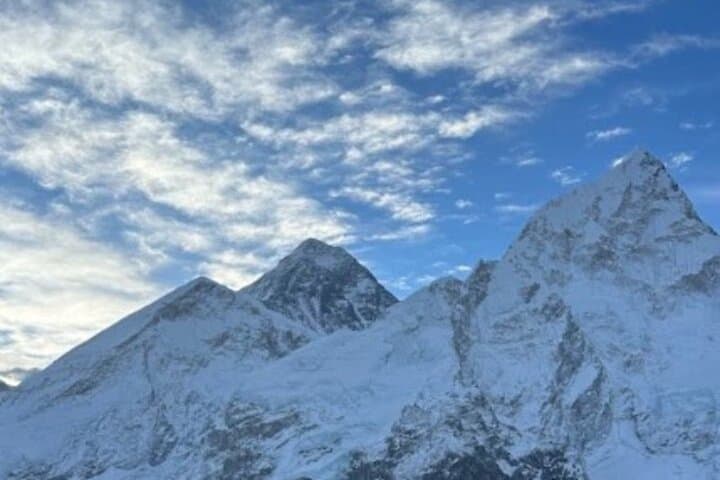
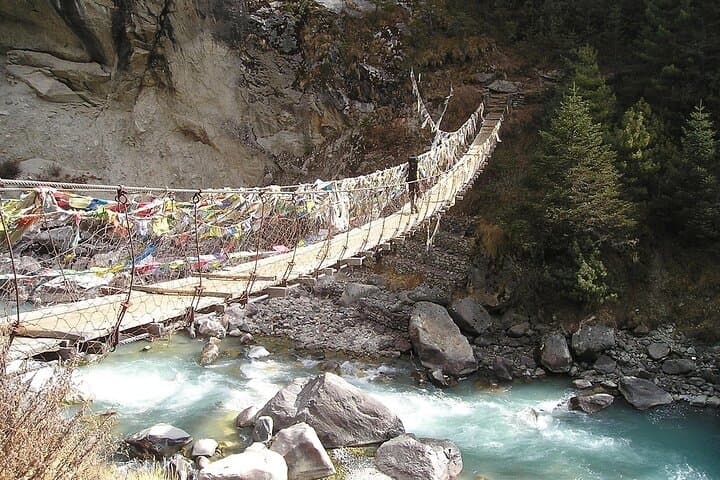
This hybrid itinerary pairs classic high‑altitude trekking through the Solu Khumbu with a scenic helicopter exit—so you earn the ascent on foot and are rewarded with an aerial sweep of the Khumbu icefalls and Everest’s ridge. The route follows rivers, stone staircases and high passes that have guided Sherpa communities for centuries; teahouses and prayer flags mark cultural waypoints as much as trail junctions.
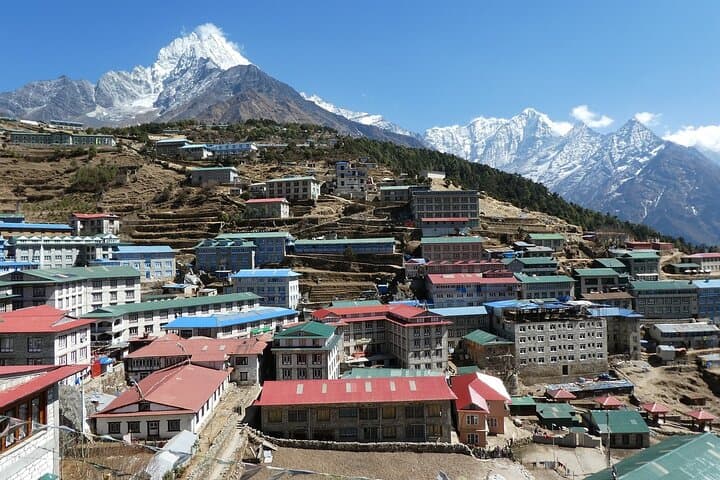
Geologically the trails trace the collision zone where the Indian and Eurasian plates thrust up the Himalaya, exposing jagged moraines, glacial tongues and wind‑scoured scree. Culturally, Namche Bazar and Tengboche offer living Sherpa monasteries, trade routes and a history bound to pioneering climbers who used these villages as staging points.
Expect steep climbs, thin air, cold nights and variable trail surfaces: forested river valleys give way to treeless highlands and rocky approaches to Gorak Shep and Kalapathar. Acclimatization days in Namche and Dingboche reduce altitude risk; the helicopter return from Kalapathar/Gorak Shep delivers a dramatic, time‑saving descent.
Practical guidance: train on sustained uphill hikes, carry layered clothing and a reliable sleeping bag, monitor your pulse and symptoms for acute mountain sickness, and budget extra time for weather delays. Permits (Sagarmatha National Park, TIMS) are required. With strong fitness and careful acclimatization, the heli‑trek is an efficient, unforgettable way to reach Everest Base Camp and still see the range from above.
difficult.
10–11 days.
Requires high aerobic fitness and prior multi‑day hiking experience; able to hike 4–6 hours daily with elevation gain.
Yes—Sagarmatha National Park and Khumbu permits (and TIMS) are required and typically arranged by the operator.
The helicopter provides a scenic, rapid descent from Gorak Shep/Kalapathar back to Lukla or Kathmandu; weather can delay flights and there are luggage limits.
Acute Mountain Sickness is the primary risk above 3,000–4,000 m—symptoms include headache, nausea and fatigue; acclimatize, hydrate, and report symptoms to your guide immediately.
Flights are weather‑dependent and typically operate in the morning; operators schedule early departures to maximize reliable flying windows.
The Solu Khumbu has been a trade corridor and yak‑trail for Sherpa communities for centuries and became globally prominent during the 20th‑century Everest expeditions.
Sagarmatha National Park regulates trekking through permit fees and waste rules; trekkers are encouraged to pack out plastic, use locally run lodges, and minimize campfire impact.
Dragon Charter Service operates guided outdoor trips and adventures with an emphasis on safety, stewardship, and memorable experiences.
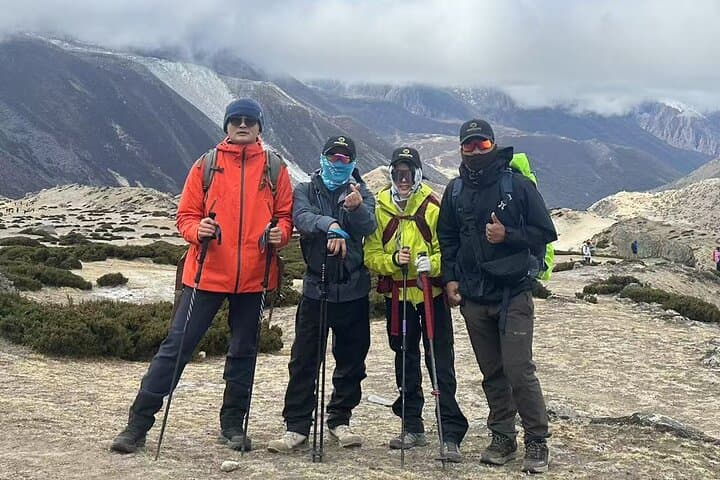
The morning air is thin and cold as a party of trekkers sets off from Gorak Shep, boots crunching on glacial moraine while peaks sharpen against a bruised sky.
The morning air is thin and cold as a party of trekkers sets off from Gorak Shep, boots crunching on glacial moraine while peaks sharpen against a bruised sky.
This hybrid itinerary pairs classic high‑altitude trekking through the Solu Khumbu with a scenic helicopter exit—so you earn the ascent on foot and are rewarded with an aerial sweep of the Khumbu icefalls and Everest’s ridge. The route follows rivers, stone staircases and high passes that have guided Sherpa communities for centuries; teahouses and prayer flags mark cultural waypoints as much as trail junctions.
Geologically the trails trace the collision zone where the Indian and Eurasian plates thrust up the Himalaya, exposing jagged moraines, glacial tongues and wind‑scoured scree. Culturally, Namche Bazar and Tengboche offer living Sherpa monasteries, trade routes and a history bound to pioneering climbers who used these villages as staging points.
Expect steep climbs, thin air, cold nights and variable trail surfaces: forested river valleys give way to treeless highlands and rocky approaches to Gorak Shep and Kalapathar. Acclimatization days in Namche and Dingboche reduce altitude risk; the helicopter return from Kalapathar/Gorak Shep delivers a dramatic, time‑saving descent.
Practical guidance: train on sustained uphill hikes, carry layered clothing and a reliable sleeping bag, monitor your pulse and symptoms for acute mountain sickness, and budget extra time for weather delays. Permits (Sagarmatha National Park, TIMS) are required. With strong fitness and careful acclimatization, the heli‑trek is an efficient, unforgettable way to reach Everest Base Camp and still see the range from above.