THE ADVENTURE COLLECTIVE® · Independent discovery and booking for outdoor travel

A 21-day circuit that links the emerald lakes of Gokyo to the ice-scarred route to Everest Base Camp. Expect high passes, tea-house nights, Sherpa villages, and glacier travel on Cho La.
A 21-day circuit that links the emerald lakes of Gokyo to the ice-scarred route to Everest Base Camp. Expect high passes, tea-house nights, Sherpa villages, and glacier travel on Cho La.
A cold wind threads prayer flags as you step off the short Lukla runway and into the Dudh Koshi valley. The trail climbs through forests of rhododendron and juniper, opens onto terraced Sherpa villages, and finally narrows to ice-polished moraines where the Ngozumpa Glacier groans beneath Gokyo Ri and the great walls of Everest and Lhotse.
Verified experiences and guided adventures in the surrounding area.
Operated by Explore Himalaya Travel and Adventure · Lukla, Koshi Province
A cold wind threads prayer flags as you step off the short Lukla runway and into the Dudh Koshi valley. The trail climbs through forests of rhododendron and juniper, opens onto terraced Sherpa villages, and finally narrows to ice-polished moraines where the Ngozumpa Glacier groans beneath Gokyo Ri and the great walls of Everest and Lhotse.
This route stitches together Sherpa culture and high Himalayan geology: ancient trade tracks that once led to Tibet, villages built around gompas, and moraine fields left by retreating glaciers. Khumjung’s Khumbila Peak holds religious significance; Sir Edmund Hillary’s work is visible in the regional hospital at Kunde. The Gokyo lakes sit on the western flank of the Ngozumpa Glacier, offering a quieter vantage than the crowded trail to Kala Patthar.
Expect sustained uphill days, a serious glacier traverse at Cho La, and thin-air acclimatization above 4,500 m. Tea houses provide simple dormitory-style rooms and hot meals, but toilets and hot-water schedules are limited. Weather shifts fast: clear, bone-dry mornings can turn to wind-scoured afternoons, and the pass can glaze with ice.
Practical guidance: pace your ascent, double up rest days in Namche or Gokyo, and carry layers for sub-zero nights. Hydrate proactively—altitude reduces thirst signals—and bring solid footwear with ankle support; crampons and poles are helpful for Cho La. Respect local customs: remove hats and speak softly at gompas. With measured fitness and attention to altitude, this 21-day trek delivers some of the most expansive high-mountain panoramas in the world.
challenging.
21 days.
Good aerobic fitness with prior multi-day hiking experience; ability to hike 5–8 hours a day at altitude is required.
A licensed guide is strongly recommended—permits, route knowledge, and local logistics (porters, teahouse bookings) make guided trips safer and more practical.
You need Sagarmatha National Park permit and a TIMS card; operators typically arrange these and include them in the package.
Cho La is one of the tougher days—steep, glacier-traversed, and potentially icy; crampons and experience on mixed terrain are recommended.
Basic private or shared rooms with low beds; bathrooms may be shared and hot water is limited—expect rustic comfort rather than luxury.
The trail follows historic trade routes into Tibet and runs through Sagarmatha National Park; Hillary’s legacy is evident in regional healthcare projects like Kunde Hospital.
Sagarmatha National Park is a protected UNESCO site—pack out waste, use local water purification, and support tea houses that follow waste-reduction practices.
Explore Himalaya Travel and Adventure operates guided outdoor trips and adventures with an emphasis on safety, stewardship, and memorable experiences.

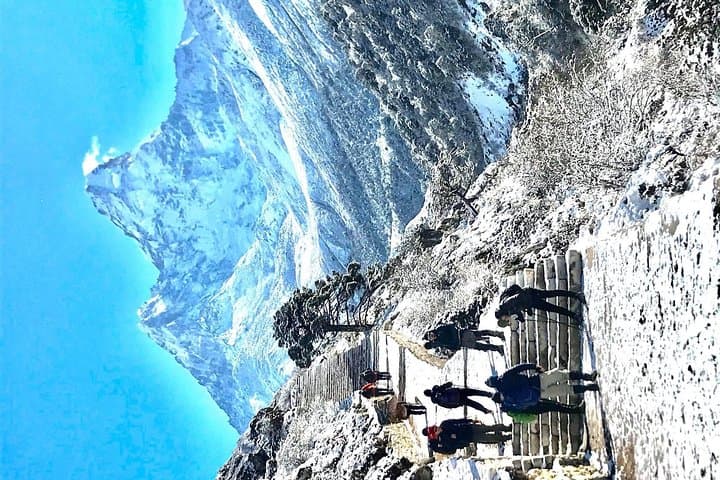
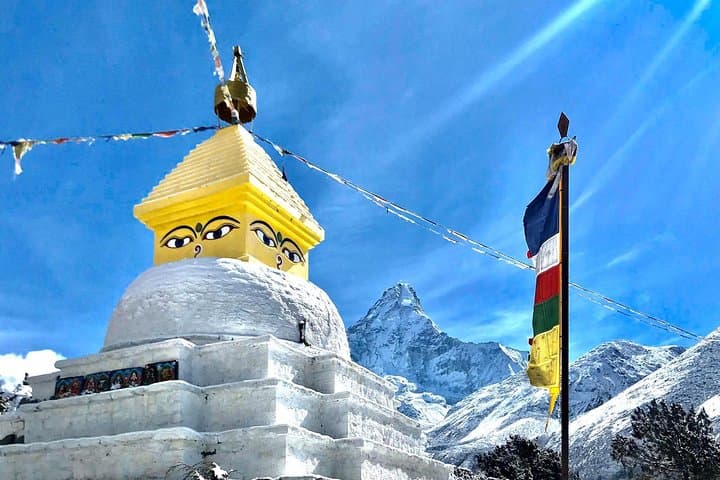
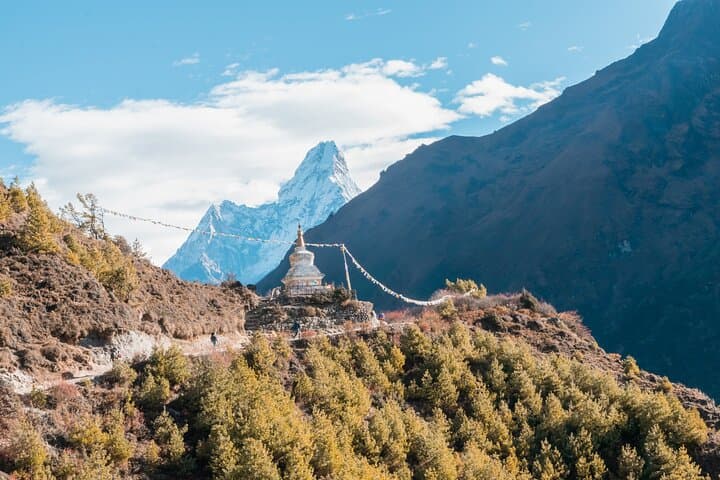
A cold wind threads prayer flags as you step off the short Lukla runway and into the Dudh Koshi valley. The trail climbs through forests of rhododendron and juniper, opens onto terraced Sherpa villages, and finally narrows to ice-polished moraines where the Ngozumpa Glacier groans beneath Gokyo Ri and the great walls of Everest and Lhotse.
A cold wind threads prayer flags as you step off the short Lukla runway and into the Dudh Koshi valley. The trail climbs through forests of rhododendron and juniper, opens onto terraced Sherpa villages, and finally narrows to ice-polished moraines where the Ngozumpa Glacier groans beneath Gokyo Ri and the great walls of Everest and Lhotse.
This route stitches together Sherpa culture and high Himalayan geology: ancient trade tracks that once led to Tibet, villages built around gompas, and moraine fields left by retreating glaciers. Khumjung’s Khumbila Peak holds religious significance; Sir Edmund Hillary’s work is visible in the regional hospital at Kunde. The Gokyo lakes sit on the western flank of the Ngozumpa Glacier, offering a quieter vantage than the crowded trail to Kala Patthar.
Expect sustained uphill days, a serious glacier traverse at Cho La, and thin-air acclimatization above 4,500 m. Tea houses provide simple dormitory-style rooms and hot meals, but toilets and hot-water schedules are limited. Weather shifts fast: clear, bone-dry mornings can turn to wind-scoured afternoons, and the pass can glaze with ice.
Practical guidance: pace your ascent, double up rest days in Namche or Gokyo, and carry layers for sub-zero nights. Hydrate proactively—altitude reduces thirst signals—and bring solid footwear with ankle support; crampons and poles are helpful for Cho La. Respect local customs: remove hats and speak softly at gompas. With measured fitness and attention to altitude, this 21-day trek delivers some of the most expansive high-mountain panoramas in the world.