THE ADVENTURE COLLECTIVE® · Independent discovery and booking for outdoor travel

A private 18-day trek linking Everest Base Camp and the Gokyo Lakes, this itinerary balances high Himalayan panoramas with deliberate acclimatization. Expect glacier moraines, Sherpa villages, and variable weather — plan for altitude and flight delays.
A private 18-day trek linking Everest Base Camp and the Gokyo Lakes, this itinerary balances high Himalayan panoramas with deliberate acclimatization. Expect glacier moraines, Sherpa villages, and variable weather — plan for altitude and flight delays.
The first step out of Kathmandu is a hum: planes, prayer flags and the steady rattle of diesel as the road gives way to trails. A morning flight into Lukla tightens the chest — altitude arrives with the view — and you climb into the Dudh Koshi valley where pine forest, suspension bridges and Sherpa villages set the rhythm.
Verified experiences and guided adventures in the surrounding area.
Operated by Nepal Promote Treks and Expedition · Kathmandu, Bagmati Province
The first step out of Kathmandu is a hum: planes, prayer flags and the steady rattle of diesel as the road gives way to trails. A morning flight into Lukla tightens the chest — altitude arrives with the view — and you climb into the Dudh Koshi valley where pine forest, suspension bridges and Sherpa villages set the rhythm.
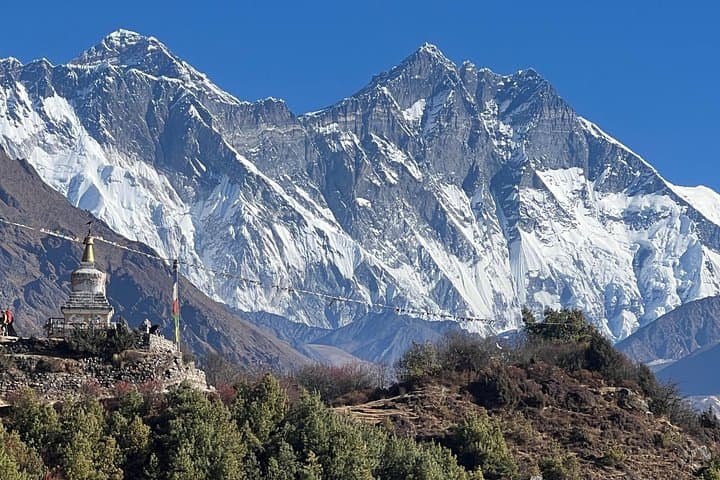
This route threads two of Nepal’s most iconic landscapes: Everest Base Camp (≈5,364 m) — the boots-on-icebase of the world’s tallest mountain — and the turquoise cirque of the Gokyo Lakes, whose highest mirror sits near 4,700 m. Geologically you cross moraine and glacial outwash, step onto lateral ridges above the Khumbu Glacier and watch Everest’s flanks read like a stratified history of uplift and ice.
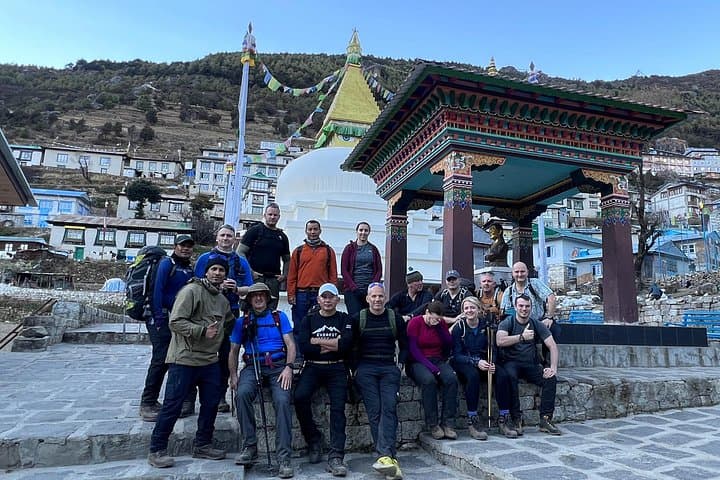
Culturally the trail is Sherpa country: mani walls, gompas and the prayer wheels that keep time; Namche Bazaar serves as a highland hub where supplies, yak cheese and stories of past expeditions are traded over tea.
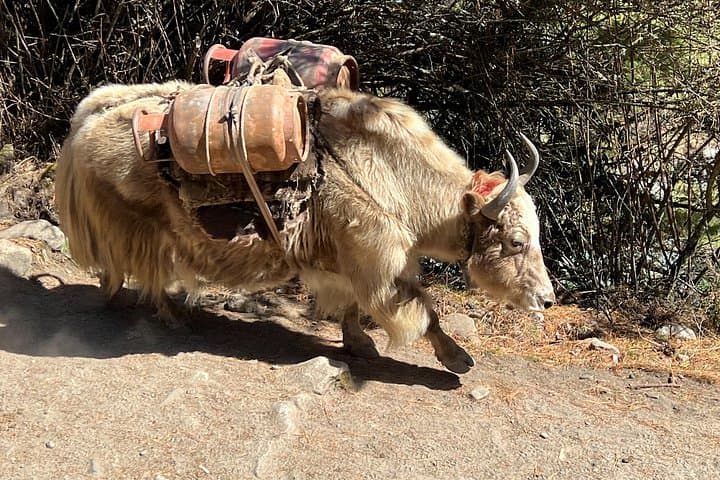
Practical guidance: this is a demanding, high-altitude trek that relies on staged acclimatization days, a patient pace and layered clothing. Expect cold nights, simple tea-house lodgings and weather-driven schedule shifts — flights to/from Lukla are frequently delayed. Bring a reliable sleeping system, practice “climb high, sleep low” on acclimatization days, and budget extra days in Kathmandu for buffer. Hydrate deliberately, watch resting heart rate and pulse oximetry if you use them, and hire experienced guides and porters: their knowledge of trail conditions and local logistics is essential.
challenging.
16–18 days.
Requires strong cardiovascular fitness and prior multi-day trekking experience; able to hike 5–8 hours/day with a daypack.
Yes — you must carry a TIMS card and Sagarmatha National Park permit for the Khumbu region; your operator typically handles these.
Cancellations are common in poor weather; operators include buffer days and transfer options — sometimes a return trek to Jiri or extra nights in Lukla/Kathmandu are required.
Risk is significant above 3,000 m; reputable guides monitor symptoms, enforce acclimatization rest days and will descend if AMS signs appear.
Tea-house accommodation is simple—shared rooms, squat or basic western toilets, and communal dining; standards improve in Namche and Lukla but remain rustic at higher elevations.
The Khumbu has long been inhabited by Sherpa communities and became a focal route for Himalayan exploration following the 1953 Everest ascent; gompas and mani stones mark religious and memorial practices.
Sagarmatha National Park protects fragile alpine ecosystems; stick to trails, avoid single-use plastics, and respect yak grazing areas and local water sources.
Nepal Promote Treks and Expedition operates guided outdoor trips and adventures with an emphasis on safety, stewardship, and memorable experiences.
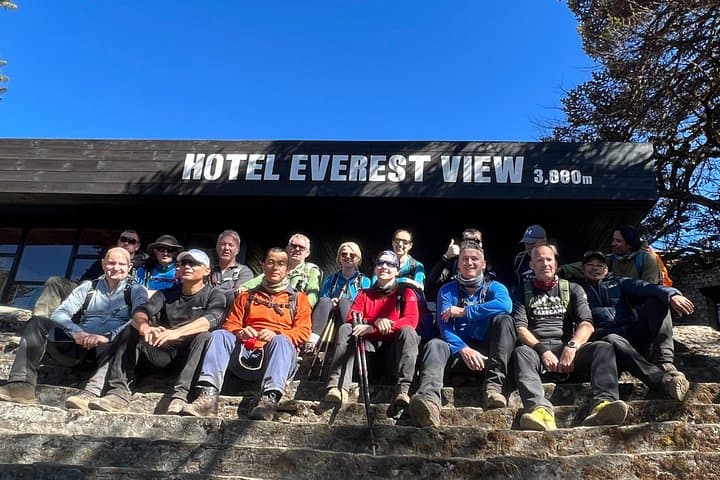
The first step out of Kathmandu is a hum: planes, prayer flags and the steady rattle of diesel as the road gives way to trails. A morning flight into Lukla tightens the chest — altitude arrives with the view — and you climb into the Dudh Koshi valley where pine forest, suspension bridges and Sherpa villages set the rhythm.
The first step out of Kathmandu is a hum: planes, prayer flags and the steady rattle of diesel as the road gives way to trails. A morning flight into Lukla tightens the chest — altitude arrives with the view — and you climb into the Dudh Koshi valley where pine forest, suspension bridges and Sherpa villages set the rhythm.
This route threads two of Nepal’s most iconic landscapes: Everest Base Camp (≈5,364 m) — the boots-on-icebase of the world’s tallest mountain — and the turquoise cirque of the Gokyo Lakes, whose highest mirror sits near 4,700 m. Geologically you cross moraine and glacial outwash, step onto lateral ridges above the Khumbu Glacier and watch Everest’s flanks read like a stratified history of uplift and ice.
Culturally the trail is Sherpa country: mani walls, gompas and the prayer wheels that keep time; Namche Bazaar serves as a highland hub where supplies, yak cheese and stories of past expeditions are traded over tea.
Practical guidance: this is a demanding, high-altitude trek that relies on staged acclimatization days, a patient pace and layered clothing. Expect cold nights, simple tea-house lodgings and weather-driven schedule shifts — flights to/from Lukla are frequently delayed. Bring a reliable sleeping system, practice “climb high, sleep low” on acclimatization days, and budget extra days in Kathmandu for buffer. Hydrate deliberately, watch resting heart rate and pulse oximetry if you use them, and hire experienced guides and porters: their knowledge of trail conditions and local logistics is essential.