THE ADVENTURE COLLECTIVE® · Independent discovery and booking for outdoor travel

Combine the classic Everest Base Camp approach with the crystalline viewpoints of Gokyo Ri for a trek that pairs moraine marches with glacier-fed lakes. Expect high altitudes, Sherpa villages, and panoramic Himalayan peaks—plan for acclimatization, layered gear, and permit logistics.
Combine the classic Everest Base Camp approach with the crystalline viewpoints of Gokyo Ri for a trek that pairs moraine marches with glacier-fed lakes. Expect high altitudes, Sherpa villages, and panoramic Himalayan peaks—plan for acclimatization, layered gear, and permit logistics.
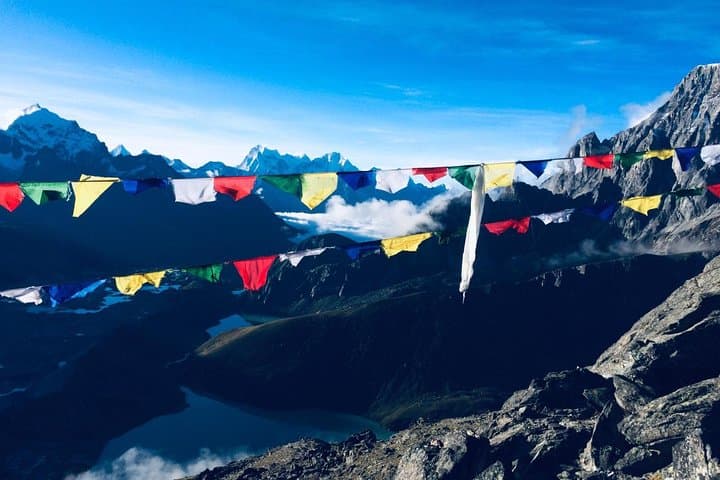
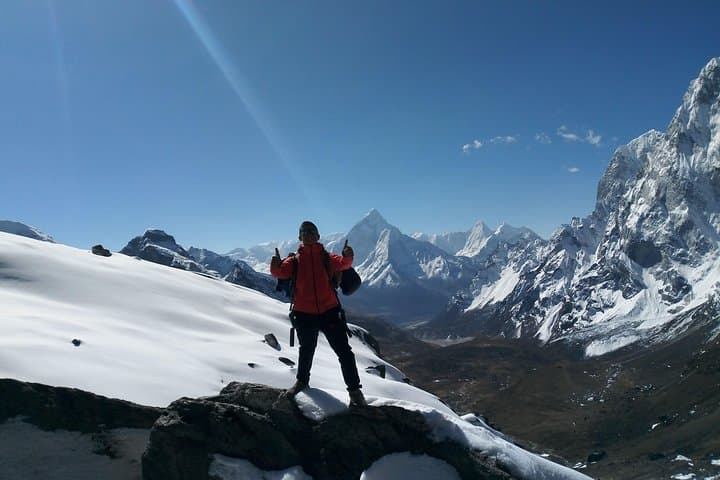
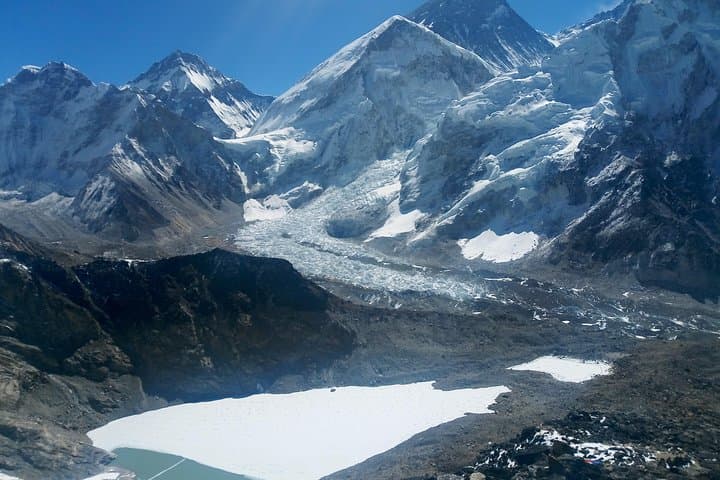
You round a final moraine and the horizon opens: the Khumbu Glacier sprawls below like a slow, grey river and three giants—Everest, Lhotse, Makalu—push the sky aside. Wind chisels the air; prayer flags snap like distant counsels. This route stitches together two classic high-altitude experiences: the moraine walk into Everest Base Camp and the clear, panoramic summit of Gokyo Ri above the Gokyo Lakes.
Verified experiences and guided adventures in the surrounding area.
Operated by Nepal Himalayan Hiker (P) Ltd. · Lukla, Solukhumbu
You round a final moraine and the horizon opens: the Khumbu Glacier sprawls below like a slow, grey river and three giants—Everest, Lhotse, Makalu—push the sky aside. Wind chisels the air; prayer flags snap like distant counsels. This route stitches together two classic high-altitude experiences: the moraine walk into Everest Base Camp and the clear, panoramic summit of Gokyo Ri above the Gokyo Lakes.
Geology here is raw—India’s plate still climbing against Eurasia, folding schist and granite into jagged ridgelines. The Ngozumpa Glacier, Nepal’s largest, carves the valley and feeds the blue-green Gokyo Lakes. Culturally, the trail runs through Sherpa villages where yak herding and short-season barley plots shape life; tea houses, carved mani stones, and stupas reflect a Himalayan Buddhism with practical warmth.
Expect 12–15 days on trail with regular acclimatization stops (Namche, Dingboche). Terrain shifts from forested switchbacks to rocky moraines and icy paths at higher camps. Altitude, not distance, is the main challenge—summits like Gokyo Ri (5,357 m) and the EBC area (5,364 m by moraine) demand patience and staged ascent.
Practically: carry layered insulation, a warm sleeping bag rated to -10°C, and a reliable pair of insulated trekking boots with crampon compatibility. Hydrate upstream of thirst, move deliberately on scree, and plan for weather swings—sun can be intense by day and sub-zero at night. Permits (Sagarmatha National Park, TIMS) and a guide or experienced crew are strongly recommended; helicopter evacuation exists but is costly. Finished lines of prayer flags mark conclusion, not conquest—this is a trek of steady steps and high views.
difficult.
12–15 days.
Strong aerobic fitness and previous multi-day trekking experience are recommended; ability to handle long days and high altitude is essential.
Yes—guides are strongly recommended for route knowledge, altitude management, and permit handling; porters can make long days and baggage at high camps manageable.
Trekking requires a Sagarmatha National Park entry permit and a TIMS card; permits are typically arranged before or at Kathmandu via your operator.
Acute Mountain Sickness is the main risk—mitigate by gradual ascent, staying hydrated, adding acclimatization days, and descending immediately if severe symptoms appear.
Doing both well in fewer than 12 days increases altitude risk and cuts acclimatization time; a 12–15 day itinerary is standard for safety and enjoyment.
The Khumbu region is home to Sherpa communities with centuries of trade and yak-herding traditions; the area was mapped and popularized during early Everest expeditions in the 20th century.
Sagarmatha National Park manages visitor impact—stay on trails, pack out non-biodegradable trash, and limit fuel use in high camps to protect fragile alpine ecosystems.
Nepal Himalayan Hiker (P) Ltd. operates guided outdoor trips and adventures with an emphasis on safety, stewardship, and memorable experiences.
You round a final moraine and the horizon opens: the Khumbu Glacier sprawls below like a slow, grey river and three giants—Everest, Lhotse, Makalu—push the sky aside. Wind chisels the air; prayer flags snap like distant counsels. This route stitches together two classic high-altitude experiences: the moraine walk into Everest Base Camp and the clear, panoramic summit of Gokyo Ri above the Gokyo Lakes.
You round a final moraine and the horizon opens: the Khumbu Glacier sprawls below like a slow, grey river and three giants—Everest, Lhotse, Makalu—push the sky aside. Wind chisels the air; prayer flags snap like distant counsels. This route stitches together two classic high-altitude experiences: the moraine walk into Everest Base Camp and the clear, panoramic summit of Gokyo Ri above the Gokyo Lakes.
Geology here is raw—India’s plate still climbing against Eurasia, folding schist and granite into jagged ridgelines. The Ngozumpa Glacier, Nepal’s largest, carves the valley and feeds the blue-green Gokyo Lakes. Culturally, the trail runs through Sherpa villages where yak herding and short-season barley plots shape life; tea houses, carved mani stones, and stupas reflect a Himalayan Buddhism with practical warmth.
Expect 12–15 days on trail with regular acclimatization stops (Namche, Dingboche). Terrain shifts from forested switchbacks to rocky moraines and icy paths at higher camps. Altitude, not distance, is the main challenge—summits like Gokyo Ri (5,357 m) and the EBC area (5,364 m by moraine) demand patience and staged ascent.
Practically: carry layered insulation, a warm sleeping bag rated to -10°C, and a reliable pair of insulated trekking boots with crampon compatibility. Hydrate upstream of thirst, move deliberately on scree, and plan for weather swings—sun can be intense by day and sub-zero at night. Permits (Sagarmatha National Park, TIMS) and a guide or experienced crew are strongly recommended; helicopter evacuation exists but is costly. Finished lines of prayer flags mark conclusion, not conquest—this is a trek of steady steps and high views.