THE ADVENTURE COLLECTIVE® · Independent discovery and booking for outdoor travel

A 12-day trek through the Khumbu to Everest Base Camp that blends high-altitude challenge with Sherpa culture and glacier-carved scenery. Read on for what to expect each day, how to prepare, and essential tips for acclimatizing and packing.
A 12-day trek through the Khumbu to Everest Base Camp that blends high-altitude challenge with Sherpa culture and glacier-carved scenery. Read on for what to expect each day, how to prepare, and essential tips for acclimatizing and packing.
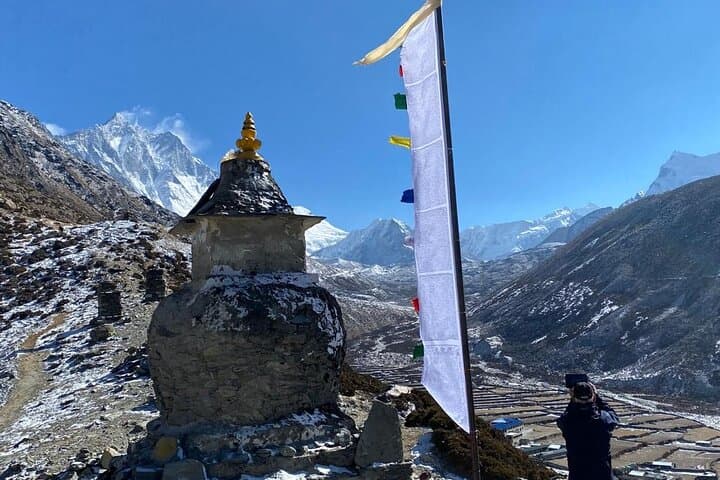
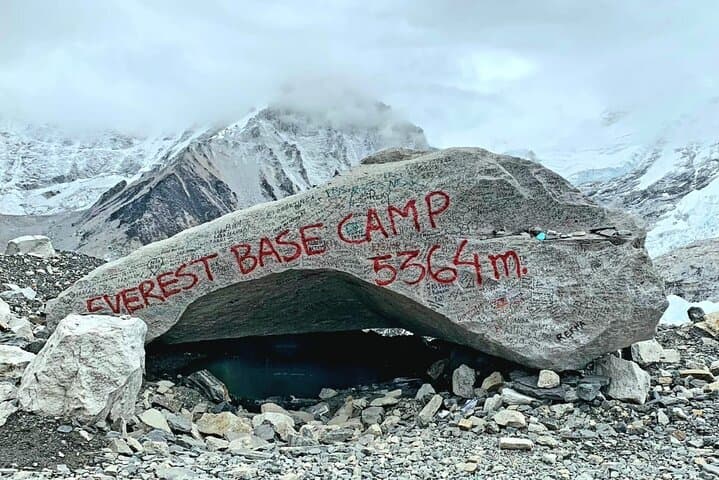
You step off the short Lukla flight and the air feels different—thin, sharp, carrying a clarity that cuts to the core. Rhododendron forests give way to stony ridgelines and prayer flags that snap like small voices calling you higher. Each day the terrain tightens into switchbacks, high passes and exposed moraine until the Khumbu Glacier opens and Everest rises like a weathered watchman.
Verified experiences and guided adventures in the surrounding area.
Operated by Mountain Travel Nepal · Lukla, Province No. 1
You step off the short Lukla flight and the air feels different—thin, sharp, carrying a clarity that cuts to the core. Rhododendron forests give way to stony ridgelines and prayer flags that snap like small voices calling you higher. Each day the terrain tightens into switchbacks, high passes and exposed moraine until the Khumbu Glacier opens and Everest rises like a weathered watchman.
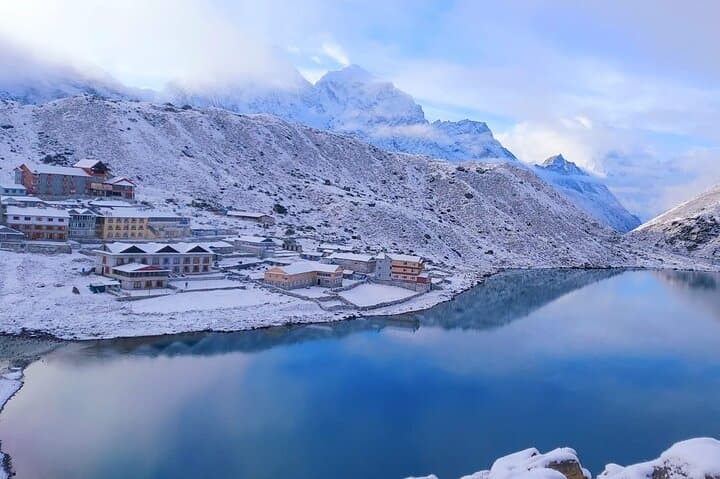
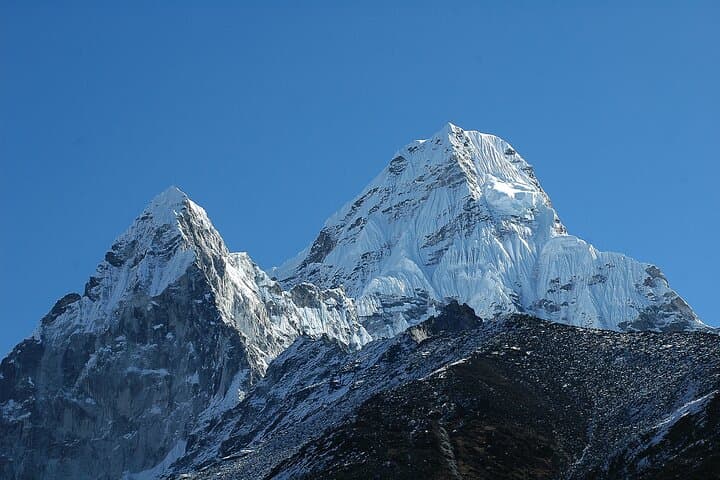
The route threads villages where Sherpa culture is tangible: mani stones, gompas and the Sagarmatha National Park that protects this high landscape. Geology here is dramatic—ancient continental collision lifted marine rock into 8,000-meter peaks—while glaciers carve the valley into crevasses and polished basins. Local life centers on hospitality in teahouses, yak transport, and a tradition of mountain guiding that matured after the mid-20th-century climbs put Everest on the map.
Practical guidance is simple and strict: acclimatize, move slowly, and respect weather windows. Expect 6–8 hours of walking on many days, rocky and sometimes muddy trails, basic teahouse lodging, and dramatic daily temperature swings. Hydrate continuously, eat small regular meals, and keep layers ready—cold snaps can arrive between clear, sunlit mornings and wind-scoured afternoons. A sunrise climb to Kala Patthar rewards effort with the most immediate Everest viewpoint; on quieter side trails you may find small monasteries and long vistas with nearly no one else.
This trek is demanding but non-technical—fitness, patience, and altitude awareness are your best gear. With proper preparation, the Khumbu delivers one of the planet’s most elemental mountain experiences.
challenging.
12 days.
Good cardiovascular fitness and several months of progressive training; comfortable with 6–8 hour walking days at altitude
Spring (March–May) and fall (September–November) offer the most stable weather, clear views, and accessible teahouse services.
No—this is a non-technical high-altitude trek, but good fitness and altitude awareness are required.
The itinerary includes scheduled rest days and gradual altitude gain; follow your guide’s plan and report symptoms early.
Yes—Sagarmatha National Park permits and TIMS are required, and a certified local guide is standard for safety and logistics.
The Khumbu region’s Sherpa communities developed mountain guiding after mid-20th-century Everest expeditions; Sagarmatha National Park protects cultural and natural values since the 1970s.
Travelers should follow leave-no-trace practices, use designated teahouses and dispose of waste properly; permits fund conservation and park management.
Mountain Travel Nepal operates guided outdoor trips and adventures with an emphasis on safety, stewardship, and memorable experiences.
You step off the short Lukla flight and the air feels different—thin, sharp, carrying a clarity that cuts to the core. Rhododendron forests give way to stony ridgelines and prayer flags that snap like small voices calling you higher. Each day the terrain tightens into switchbacks, high passes and exposed moraine until the Khumbu Glacier opens and Everest rises like a weathered watchman.
You step off the short Lukla flight and the air feels different—thin, sharp, carrying a clarity that cuts to the core. Rhododendron forests give way to stony ridgelines and prayer flags that snap like small voices calling you higher. Each day the terrain tightens into switchbacks, high passes and exposed moraine until the Khumbu Glacier opens and Everest rises like a weathered watchman.
The route threads villages where Sherpa culture is tangible: mani stones, gompas and the Sagarmatha National Park that protects this high landscape. Geology here is dramatic—ancient continental collision lifted marine rock into 8,000-meter peaks—while glaciers carve the valley into crevasses and polished basins. Local life centers on hospitality in teahouses, yak transport, and a tradition of mountain guiding that matured after the mid-20th-century climbs put Everest on the map.
Practical guidance is simple and strict: acclimatize, move slowly, and respect weather windows. Expect 6–8 hours of walking on many days, rocky and sometimes muddy trails, basic teahouse lodging, and dramatic daily temperature swings. Hydrate continuously, eat small regular meals, and keep layers ready—cold snaps can arrive between clear, sunlit mornings and wind-scoured afternoons. A sunrise climb to Kala Patthar rewards effort with the most immediate Everest viewpoint; on quieter side trails you may find small monasteries and long vistas with nearly no one else.
This trek is demanding but non-technical—fitness, patience, and altitude awareness are your best gear. With proper preparation, the Khumbu delivers one of the planet’s most elemental mountain experiences.