THE ADVENTURE COLLECTIVE® · Independent discovery and booking for outdoor travel

Spend an hour in lantern-lit calm at an Osaka temple: incense offerings, two guided zazen sets, and a chilled matcha tasting combine cultural history with hands-on meditation instruction. Perfect for travelers wanting a compact, sensory introduction to Japanese practice.
Spend an hour in lantern-lit calm at an Osaka temple: incense offerings, two guided zazen sets, and a chilled matcha tasting combine cultural history with hands-on meditation instruction. Perfect for travelers wanting a compact, sensory introduction to Japanese practice.
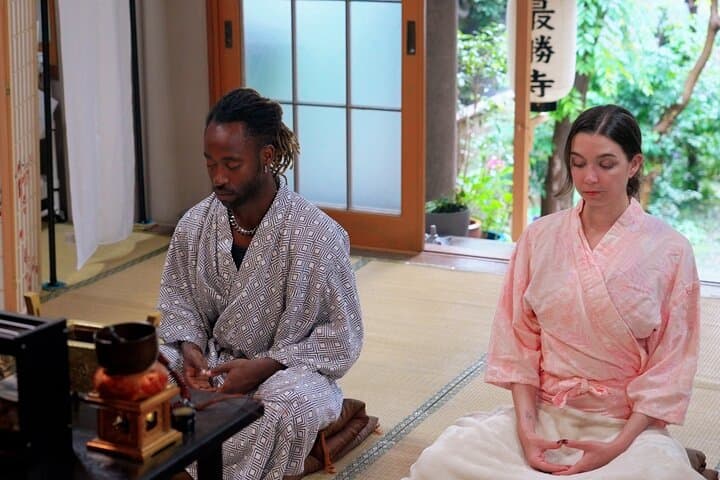
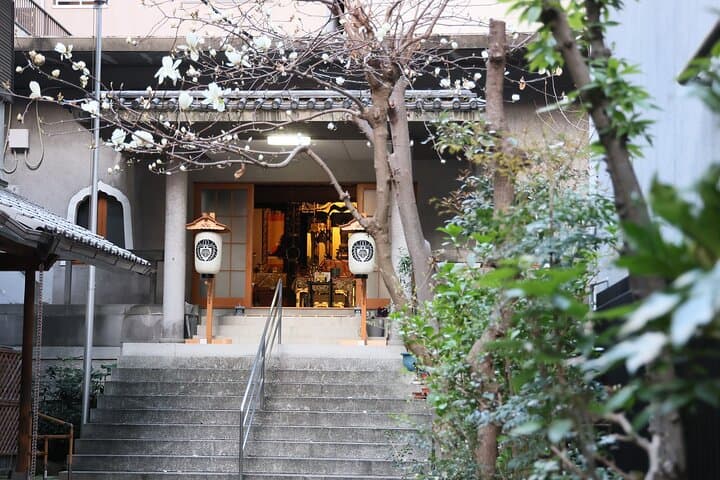
Dusk settles over the temple courtyard and lantern light warms the tatami as participants remove shoes and step into a quiet, low-lit hall. The ceremony begins with incense offered toward the Buddha; the scent threads through the room and invites a slowing of breath. Guided instruction moves the group through a kneaded-incense ritual, two seated zazen sessions, and a calm tea serving—each element designed to anchor the senses in the present.
Verified experiences and guided adventures in the surrounding area.
Operated by Japanese Massage 唯一無二-the one & only- · Osaka, Osaka Prefecture
Dusk settles over the temple courtyard and lantern light warms the tatami as participants remove shoes and step into a quiet, low-lit hall. The ceremony begins with incense offered toward the Buddha; the scent threads through the room and invites a slowing of breath. Guided instruction moves the group through a kneaded-incense ritual, two seated zazen sessions, and a calm tea serving—each element designed to anchor the senses in the present.
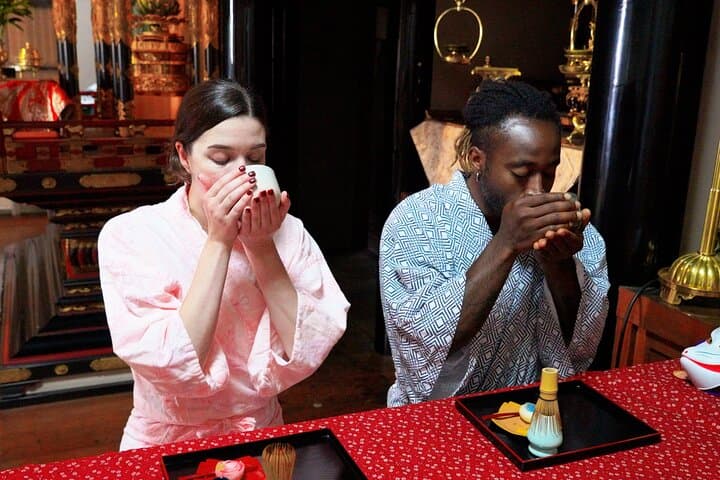
Zen practice here traces its lineage to Soto and Rinzai teachings brought from China centuries ago; zazen itself is a seated meditation that emphasizes posture and breath. The temple’s wooden beams and stone steps reflect Osaka’s layered urban history, where pockets of quiet survive amid neon corridors. Matcha and wagashi (Japanese sweets) conclude the session, their textures and temperatures offering a practical lesson in mindful eating and tea ceremony etiquette.
This is accessible culture: participants wear a simple yukata on tatami flooring, and staff walk guests through ritual protocols and posture. Expect clear instruction on how to perform incense offerings, how to sit in zazen, and brief contextual talks about the temple and tea ceremony. Public transport is nearby, and the experience is suitable for travelers of all fitness levels.
Practical tips: wear comfortable pants for cross-legged sitting, silence phones, and arrive a few minutes early to change. The evening timing is designed to take advantage of the temple’s lantern glow—ideal for travelers seeking a compact, sensory introduction to Japanese meditation and tea culture.
easy.
60–75 minutes.
Suitable for most fitness levels; basic flexibility for cross-legged sitting is helpful
No—sessions are guided and suitable for beginners; instructors explain posture, breathing, and etiquette.
Photography is usually restricted during ritual and meditation; the operator will take a smartphone photo for you as part of the experience.
Notify staff of mobility needs; instructors can suggest alternative postures or cushions to support sitting.
Reservations are handled by the experience operator—do not call the temple directly; follow booking instructions provided on confirmation.
Zazen and tea ceremony practices brought from China became integral to Japanese Zen culture over centuries; many urban temples preserve these rituals in intimate evening programs.
Respect tatami and wooden floors by wearing provided yukata and removing shoes; follow staff guidance to minimize wear and support the temple’s cultural preservation efforts.
Japanese Massage 唯一無二-the one & only- operates guided outdoor trips and adventures with an emphasis on safety, stewardship, and memorable experiences.

Dusk settles over the temple courtyard and lantern light warms the tatami as participants remove shoes and step into a quiet, low-lit hall. The ceremony begins with incense offered toward the Buddha; the scent threads through the room and invites a slowing of breath. Guided instruction moves the group through a kneaded-incense ritual, two seated zazen sessions, and a calm tea serving—each element designed to anchor the senses in the present.
Dusk settles over the temple courtyard and lantern light warms the tatami as participants remove shoes and step into a quiet, low-lit hall. The ceremony begins with incense offered toward the Buddha; the scent threads through the room and invites a slowing of breath. Guided instruction moves the group through a kneaded-incense ritual, two seated zazen sessions, and a calm tea serving—each element designed to anchor the senses in the present.
Zen practice here traces its lineage to Soto and Rinzai teachings brought from China centuries ago; zazen itself is a seated meditation that emphasizes posture and breath. The temple’s wooden beams and stone steps reflect Osaka’s layered urban history, where pockets of quiet survive amid neon corridors. Matcha and wagashi (Japanese sweets) conclude the session, their textures and temperatures offering a practical lesson in mindful eating and tea ceremony etiquette.
This is accessible culture: participants wear a simple yukata on tatami flooring, and staff walk guests through ritual protocols and posture. Expect clear instruction on how to perform incense offerings, how to sit in zazen, and brief contextual talks about the temple and tea ceremony. Public transport is nearby, and the experience is suitable for travelers of all fitness levels.
Practical tips: wear comfortable pants for cross-legged sitting, silence phones, and arrive a few minutes early to change. The evening timing is designed to take advantage of the temple’s lantern glow—ideal for travelers seeking a compact, sensory introduction to Japanese meditation and tea culture.