THE ADVENTURE COLLECTIVE® · Independent discovery and booking for outdoor travel

Swap the city lights for pine-shadowed dusk on a 4–5 hour evening safari outside Stockholm. Track moose and wild boar, share a fire-cooked dinner, and learn local natural history from an experienced guide.
Swap the city lights for pine-shadowed dusk on a 4–5 hour evening safari outside Stockholm. Track moose and wild boar, share a fire-cooked dinner, and learn local natural history from an experienced guide.
A low sun slides through pines as the minivan eases off the ring road and the city’s hum drops away—this evening safari begins where Stockholm’s suburbs give way to open water and dark, patient forest.
Verified experiences and guided adventures in the surrounding area.
Operated by True Nature Sweden · Stockholm, Stockholm County
A low sun slides through pines as the minivan eases off the ring road and the city’s hum drops away—this evening safari begins where Stockholm’s suburbs give way to open water and dark, patient forest.
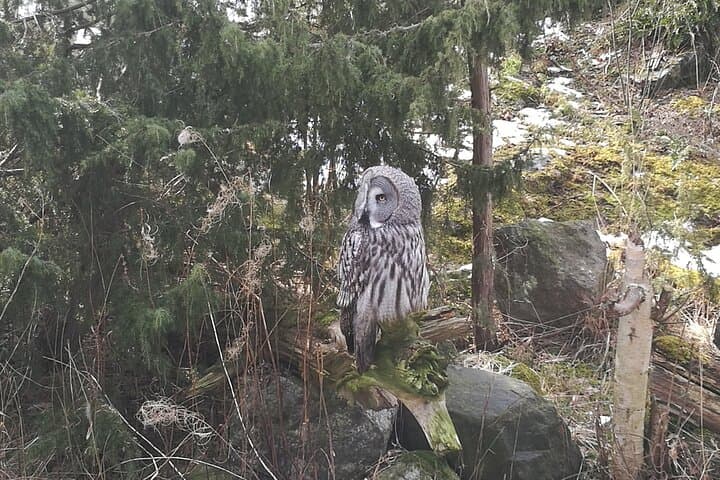
You step onto a fir-needle floor warmed by the last light, a small group gathering around a guide who speaks of track and call; later, a bonfire cooks a simple Swedish dinner while the surrounding woods settle into the slow, deliberate business of night. The landscape here is post-glacial—rounded bedrock, small lakes, and pockets of spruce and pine shaped by ice retreat and centuries of human forestry.
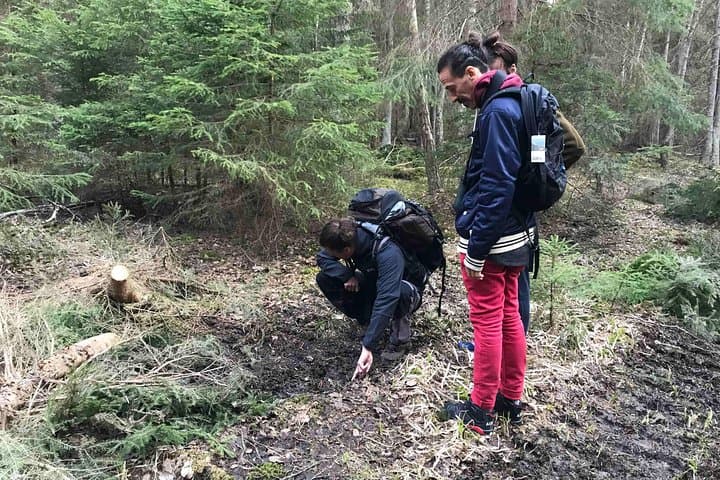
Locals have used these forests for grazing, tar-making, and seasonal foraging; today guides blend natural history with practical tracking skills and cultural notes on how Swedes live with large mammals.
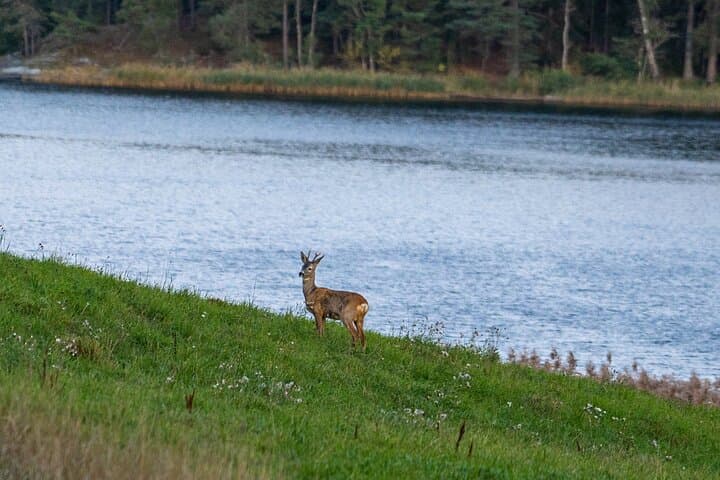
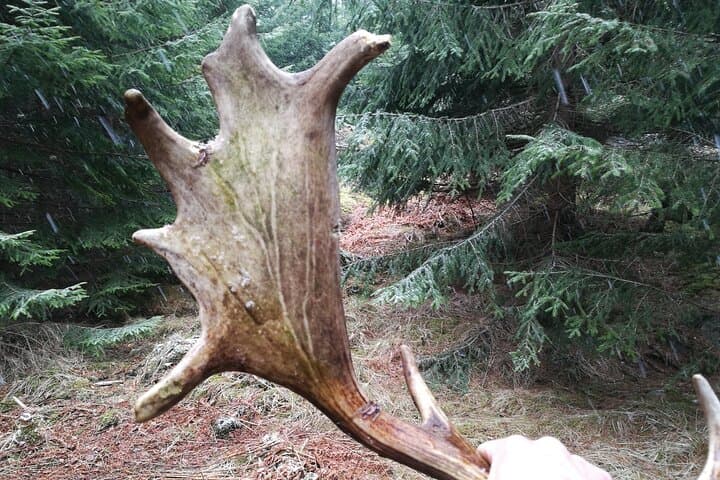
Expect conversation about moose behavior, roe deer movement, and wild boar patterns as you walk short trails near a known lake—the terrain is flat to rolling with peat and bedrock underfoot. As dusk deepens, the campfire becomes the center of the outing: food cooked on wood, stories about the forest, then a quiet stalk with headlamps low.
Practical guidance: dress in layers and waterproof footwear, arrive from Stockholm with public transport or the provided minivan, and plan for a 4–5 hour window that’s best after sunset when animals are most active. Bring a camera, but let moments be first noticed with your eyes—the guide’s binoculars extend the view. This is an accessible, low-impact way to add nocturnal nature to a city trip.
easy.
4–5 hours.
Suitable for all fitness levels; involves short, easy walks on uneven, sometimes muddy trails
Sightings depend on season and animal movement—guides pick areas with recent activity to maximize chances, but wildlife encounters cannot be guaranteed.
Yes; the evening is family-friendly but involves darkness and a campfire—children should be supervised and comfortable with short night walks.
No prior experience is required; the route includes short, easy walks from the minivan to lakeside and campfire spots.
The tour includes guide services, binoculars, transport in an air-conditioned minivan from the meeting point, and a bonfire-cooked dinner.
These woodlands sit on terrain shaped by the last ice age; historically locals used the forests for tar, timber, and seasonal grazing, practices that shaped today’s mixed-age stands.
Respect for wildlife distances and Leave No Trace are emphasized; local groups monitor moose and boar populations and restrict night access when necessary to reduce disturbance.
True Nature Sweden operates guided outdoor trips and adventures with an emphasis on safety, stewardship, and memorable experiences.
A low sun slides through pines as the minivan eases off the ring road and the city’s hum drops away—this evening safari begins where Stockholm’s suburbs give way to open water and dark, patient forest.
A low sun slides through pines as the minivan eases off the ring road and the city’s hum drops away—this evening safari begins where Stockholm’s suburbs give way to open water and dark, patient forest.
You step onto a fir-needle floor warmed by the last light, a small group gathering around a guide who speaks of track and call; later, a bonfire cooks a simple Swedish dinner while the surrounding woods settle into the slow, deliberate business of night. The landscape here is post-glacial—rounded bedrock, small lakes, and pockets of spruce and pine shaped by ice retreat and centuries of human forestry.
Locals have used these forests for grazing, tar-making, and seasonal foraging; today guides blend natural history with practical tracking skills and cultural notes on how Swedes live with large mammals.
Expect conversation about moose behavior, roe deer movement, and wild boar patterns as you walk short trails near a known lake—the terrain is flat to rolling with peat and bedrock underfoot. As dusk deepens, the campfire becomes the center of the outing: food cooked on wood, stories about the forest, then a quiet stalk with headlamps low.
Practical guidance: dress in layers and waterproof footwear, arrive from Stockholm with public transport or the provided minivan, and plan for a 4–5 hour window that’s best after sunset when animals are most active. Bring a camera, but let moments be first noticed with your eyes—the guide’s binoculars extend the view. This is an accessible, low-impact way to add nocturnal nature to a city trip.