THE ADVENTURE COLLECTIVE® · Independent discovery and booking for outdoor travel

See the Vatican Museums and the Sistine Chapel after dark on a guided evening tour that trims daytime crowds and lets masterpieces breathe. Expect focused commentary, quieter galleries, and practical tips for making the most of an after-hours visit.
See the Vatican Museums and the Sistine Chapel after dark on a guided evening tour that trims daytime crowds and lets masterpieces breathe. Expect focused commentary, quieter galleries, and practical tips for making the most of an after-hours visit.
The lamps along Via Vespasiano dim and the city exhales; you step through the meeting point and into corridors that cool under evening light. With fewer visitors, statues and painted ceilings feel immediate — the hush of the galleries lets details surface: a brushstroke in a fresco, the grain of carved marble, the cadence of your guide’s story.
Verified experiences and guided adventures in the surrounding area.
Operated by My Way Rome · Rome, Lazio
The lamps along Via Vespasiano dim and the city exhales; you step through the meeting point and into corridors that cool under evening light. With fewer visitors, statues and painted ceilings feel immediate — the hush of the galleries lets details surface: a brushstroke in a fresco, the grain of carved marble, the cadence of your guide’s story.
This after-hours tour traces the Vatican’s collection back to papal patronage beginning with Renaissance popes like Julius II, whose commissions shaped the collections and the Sistine Chapel itself. The route winds past the Gallery of Maps, the Cortile della Pigna, and the long galleries where centuries of European art were gathered, reflecting Rome’s layered cultural and religious history rather than geological drama — the Vatican occupies the low rise known as Vatican Hill on the Tiber’s west bank.
Locals prize the evening window for its intimacy: fewer crowds, more time at focal works, and a different quality of light that makes pigment and plaster speak. Guides often weave in anecdotes about restoration choices, iconography, and the logistics of preserving frescoes.
Practical notes: the tour lasts about 2½ hours and is mostly standing with some walking on stone floors; wear comfortable shoes and bring a light layer for temperature changes inside halls. Photography is generally allowed without flash but observe Chapel rules: no photos in the Sistine Chapel. Arrive 10–15 minutes early for check-in, carry minimal bags to speed security, and book an evening slot if you prefer a quieter, more contemplative museum visit.
easy.
2–3 hours.
Suitable for low to moderate mobility; expect extended standing and slow walking on hard floors
No — photography and video recording are not permitted inside the Sistine Chapel; other museum rooms generally allow photos without flash.
The tour runs about 2½ hours with leisurely walking and extended stops at major rooms; most people stand for several short periods rather than hiking long distances.
Full refunds are typically available if you cancel at least 24 hours before the scheduled departure time; check the booking terms for specifics.
Some areas of the Vatican Museums are wheelchair accessible, but cobbled approaches and stairs may restrict access to certain rooms — notify the operator about mobility needs when booking.
The Vatican Museums grew from papal collections assembled during the Renaissance; Pope Julius II and successive popes expanded holdings that became a public museum complex over centuries.
Frescoes and works are sensitive to light and humidity; evening visits reduce daytime wear, and visitors are asked to follow rules (no flash, no touching) to protect the art.
My Way Rome operates guided outdoor trips and adventures with an emphasis on safety, stewardship, and memorable experiences.
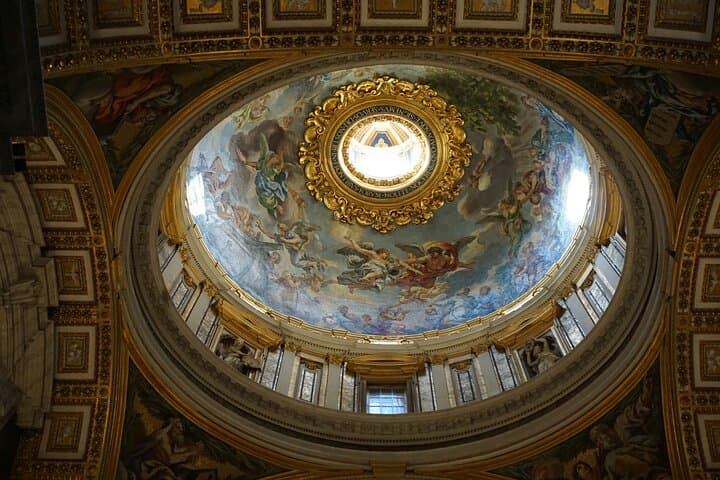
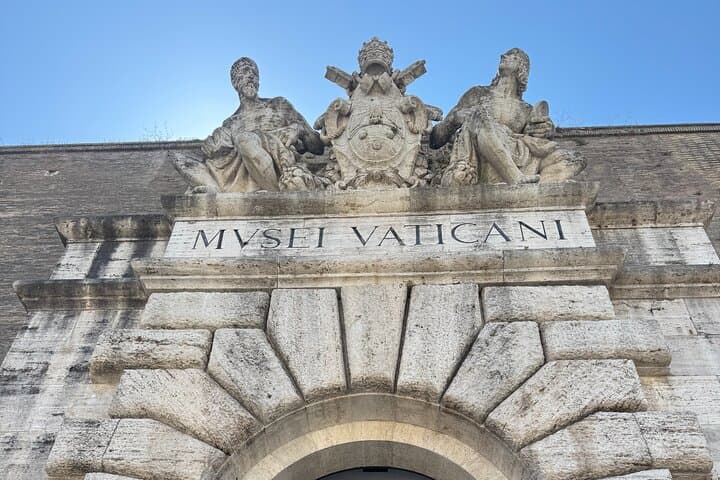
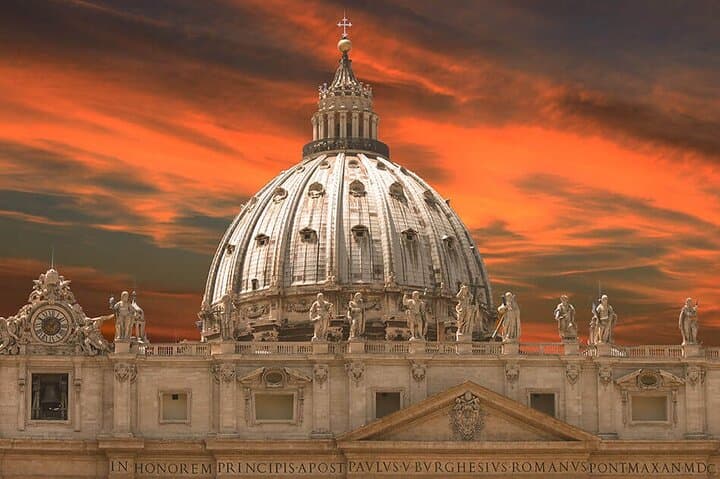
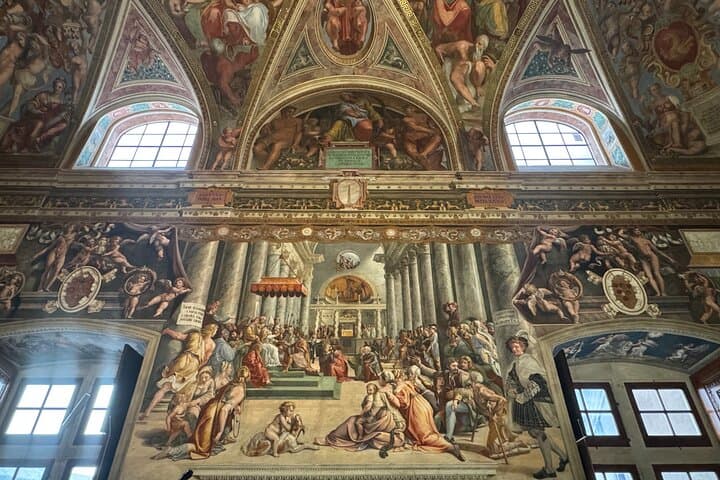
The lamps along Via Vespasiano dim and the city exhales; you step through the meeting point and into corridors that cool under evening light. With fewer visitors, statues and painted ceilings feel immediate — the hush of the galleries lets details surface: a brushstroke in a fresco, the grain of carved marble, the cadence of your guide’s story.
The lamps along Via Vespasiano dim and the city exhales; you step through the meeting point and into corridors that cool under evening light. With fewer visitors, statues and painted ceilings feel immediate — the hush of the galleries lets details surface: a brushstroke in a fresco, the grain of carved marble, the cadence of your guide’s story.
This after-hours tour traces the Vatican’s collection back to papal patronage beginning with Renaissance popes like Julius II, whose commissions shaped the collections and the Sistine Chapel itself. The route winds past the Gallery of Maps, the Cortile della Pigna, and the long galleries where centuries of European art were gathered, reflecting Rome’s layered cultural and religious history rather than geological drama — the Vatican occupies the low rise known as Vatican Hill on the Tiber’s west bank.
Locals prize the evening window for its intimacy: fewer crowds, more time at focal works, and a different quality of light that makes pigment and plaster speak. Guides often weave in anecdotes about restoration choices, iconography, and the logistics of preserving frescoes.
Practical notes: the tour lasts about 2½ hours and is mostly standing with some walking on stone floors; wear comfortable shoes and bring a light layer for temperature changes inside halls. Photography is generally allowed without flash but observe Chapel rules: no photos in the Sistine Chapel. Arrive 10–15 minutes early for check-in, carry minimal bags to speed security, and book an evening slot if you prefer a quieter, more contemplative museum visit.