THE ADVENTURE COLLECTIVE® · Independent discovery and booking for outdoor travel

Walk into the cooling Sonoran Desert at dusk to sample wild edibles, practice fire-by-friction, and learn tribal-informed desert survival skills. This two-hour guided evening hike blends botany, hands-on craft, and wildlife spotting near Tucson.
Walk into the cooling Sonoran Desert at dusk to sample wild edibles, practice fire-by-friction, and learn tribal-informed desert survival skills. This two-hour guided evening hike blends botany, hands-on craft, and wildlife spotting near Tucson.
The sun leans toward the horizon and the Sonoran Desert shifts the color of everything — saguaro arms stain gold, creosote leaves sharpen into aroma, and the earth cools enough to invite walking. On this two-hour evening foray outside Tucson, guides lead small groups along sandy washes and rocky terraces to sample edible plants, point out desert animals, and demonstrate traditional survival techniques like fire by friction.
Verified experiences and guided adventures in the surrounding area.
Operated by Southwest Survival.com · Tucson, Arizona
The sun leans toward the horizon and the Sonoran Desert shifts the color of everything — saguaro arms stain gold, creosote leaves sharpen into aroma, and the earth cools enough to invite walking. On this two-hour evening foray outside Tucson, guides lead small groups along sandy washes and rocky terraces to sample edible plants, point out desert animals, and demonstrate traditional survival techniques like fire by friction.
The route runs through classic Sonoran terrain shaped by basin-and-range geology: granite and volcanic outcrops, alluvial fans, and soils that support a surprising botanical diversity. Culturally, the landscape is lived-in; Tohono O’odham and other Indigenous peoples have harvested saguaro fruit, mesquite beans, and prickly pear for generations — skills that frame the guide’s lessons rather than replace local stewardship.
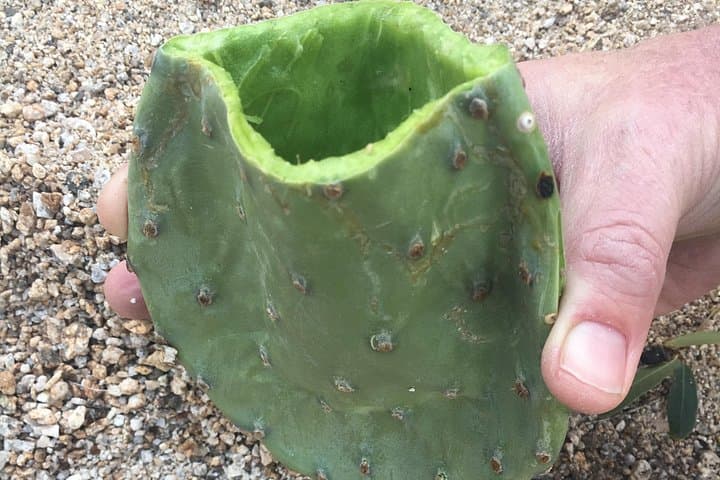
You’ll taste prickly pear pads or ripe fruit when in season, learn where to find reliable water indicators, and see how a friction fire set demands patience and technique rather than brute force. Evening timing means cooler thermals and more active wildlife — javelina and songbirds may announce themselves, while coyotes move like curious shadows.
Practicalities are straightforward: expect uneven, low-desert trails and modest elevation changes; wear closed shoes, bring 1–2 liters of water, and plan around warm-season heat. The experience is part natural history, part hands-on bushcraft — respectful sampling, Leave No Trace practices, and cultural awareness are essentials. Finish back under broad sky with embers cooling, a new skill added, and a sharper sense of how the desert gives and shelters life.
easy.
2 hours.
Suitable for most adults in regular health; terrain is low-elevation with short, uneven sections—basic mobility recommended.
The outing is rated easy—about two hours on mostly flat desert trails with short uneven stretches; no technical climbing required.
Yes, guided sampling of common wild edibles is part of the experience; guides handle preparation and will advise about allergies and cultural protocols.
Families with older children who can follow safety instructions generally do fine; check with the operator about age limits and booking requirements.
The operator cancels for bad weather; desert storms can be hazardous and refunds or rescheduling follow the listed cancellation policy.
The Sonoran Desert around Tucson carries millennia of Indigenous stewardship—Tohono O’odham and related groups developed foodways and firecraft adapted to the desert’s rhythms.
Practice Leave No Trace: sample minimally, avoid damaging plant bases, and follow guide instructions to protect culturally important species and fragile soils.
Southwest Survival.com operates guided outdoor trips and adventures with an emphasis on safety, stewardship, and memorable experiences.
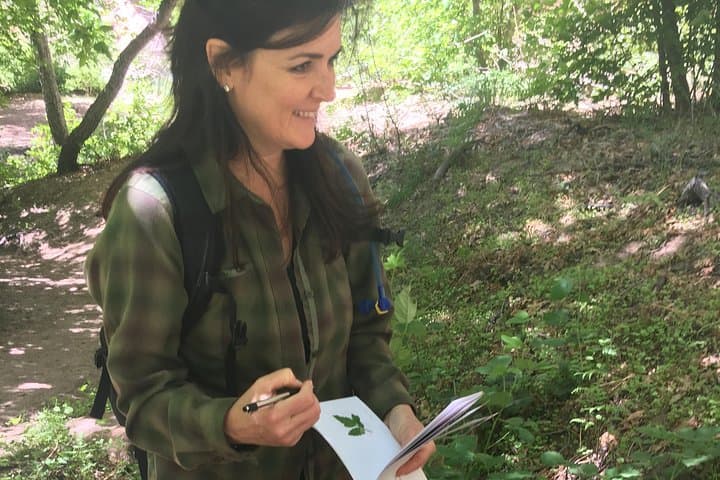
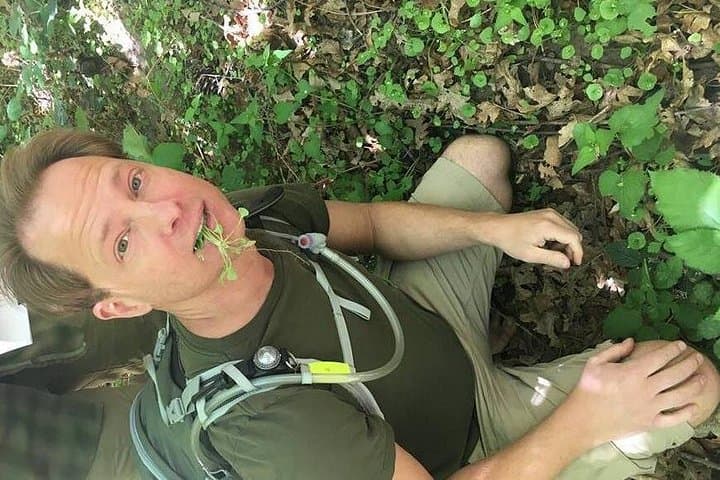
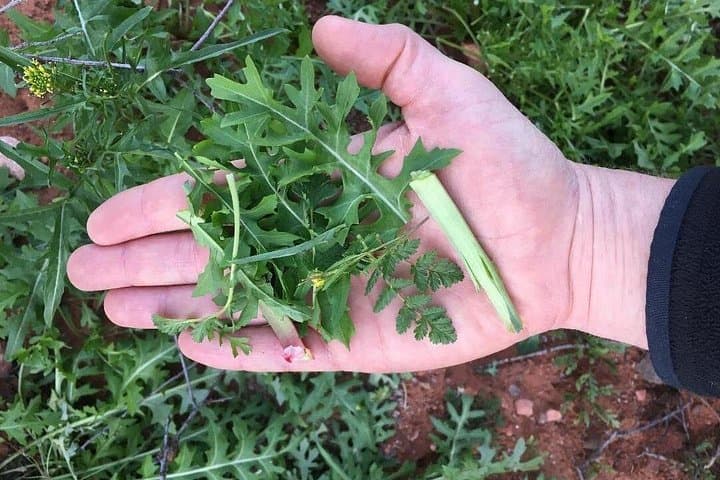
The sun leans toward the horizon and the Sonoran Desert shifts the color of everything — saguaro arms stain gold, creosote leaves sharpen into aroma, and the earth cools enough to invite walking. On this two-hour evening foray outside Tucson, guides lead small groups along sandy washes and rocky terraces to sample edible plants, point out desert animals, and demonstrate traditional survival techniques like fire by friction.
The sun leans toward the horizon and the Sonoran Desert shifts the color of everything — saguaro arms stain gold, creosote leaves sharpen into aroma, and the earth cools enough to invite walking. On this two-hour evening foray outside Tucson, guides lead small groups along sandy washes and rocky terraces to sample edible plants, point out desert animals, and demonstrate traditional survival techniques like fire by friction.
The route runs through classic Sonoran terrain shaped by basin-and-range geology: granite and volcanic outcrops, alluvial fans, and soils that support a surprising botanical diversity. Culturally, the landscape is lived-in; Tohono O’odham and other Indigenous peoples have harvested saguaro fruit, mesquite beans, and prickly pear for generations — skills that frame the guide’s lessons rather than replace local stewardship.
You’ll taste prickly pear pads or ripe fruit when in season, learn where to find reliable water indicators, and see how a friction fire set demands patience and technique rather than brute force. Evening timing means cooler thermals and more active wildlife — javelina and songbirds may announce themselves, while coyotes move like curious shadows.
Practicalities are straightforward: expect uneven, low-desert trails and modest elevation changes; wear closed shoes, bring 1–2 liters of water, and plan around warm-season heat. The experience is part natural history, part hands-on bushcraft — respectful sampling, Leave No Trace practices, and cultural awareness are essentials. Finish back under broad sky with embers cooling, a new skill added, and a sharper sense of how the desert gives and shelters life.