THE ADVENTURE COLLECTIVE® · Independent discovery and booking for outdoor travel

Join a 4-hour evening rehearsal at one of Rio’s historic samba schools—Portela or Salgueiro—and watch the bateria, dancers and drum queen prepare for Carnival. This hands-on cultural experience includes transport from central pickup points and offers an authentic look at community life behind the parade.
Join a 4-hour evening rehearsal at one of Rio’s historic samba schools—Portela or Salgueiro—and watch the bateria, dancers and drum queen prepare for Carnival. This hands-on cultural experience includes transport from central pickup points and offers an authentic look at community life behind the parade.
A late-summer evening in Rio feels like a drumbeat: the streetlights warm the pavement, and the distant pulse of a bateria draws you toward a painted quadra. You arrive as neighbors do—by van from the South Zone or Centro—and step into a rehearsal where song, choreography and community intersect. The air tastes of fried snacks and sweat; the floor vibrates underfoot as the drumline commands the room.
Verified experiences and guided adventures in the surrounding area.
Operated by Agência Etnias Turismo e Cultura · Rio de Janeiro, Rio de Janeiro
A late-summer evening in Rio feels like a drumbeat: the streetlights warm the pavement, and the distant pulse of a bateria draws you toward a painted quadra. You arrive as neighbors do—by van from the South Zone or Centro—and step into a rehearsal where song, choreography and community intersect. The air tastes of fried snacks and sweat; the floor vibrates underfoot as the drumline commands the room.
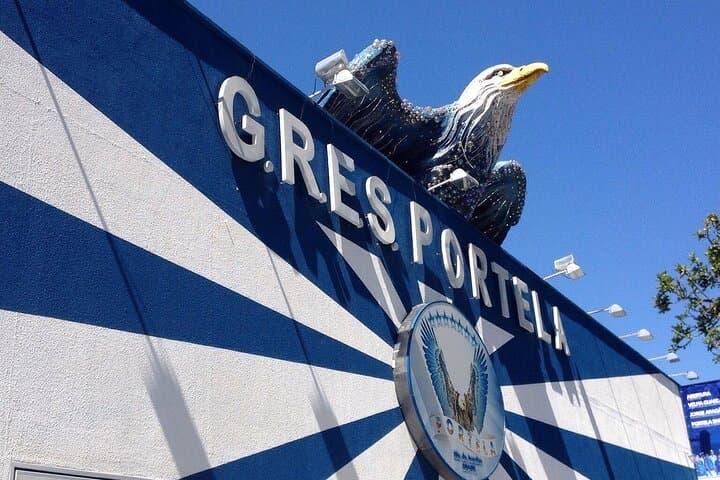
These visits alternate between Portela in Madureira and Salgueiro in Andaraí. Portela, founded in 1923, is one of Rio’s oldest and most decorated schools, its history rooted in Black neighborhoods where freed families forged social and cultural institutions. Salgueiro carries strong African influences and emerged from Tijuca communities with links to quilombo traditions; its rehearsals highlight pageant storytelling and anthemic sambas.
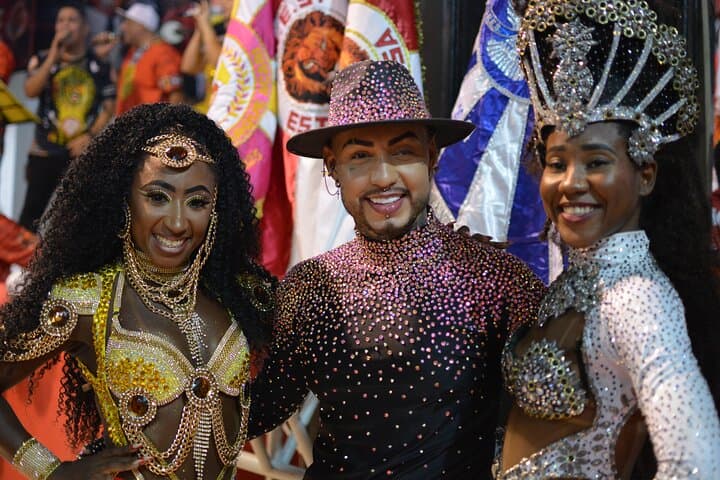
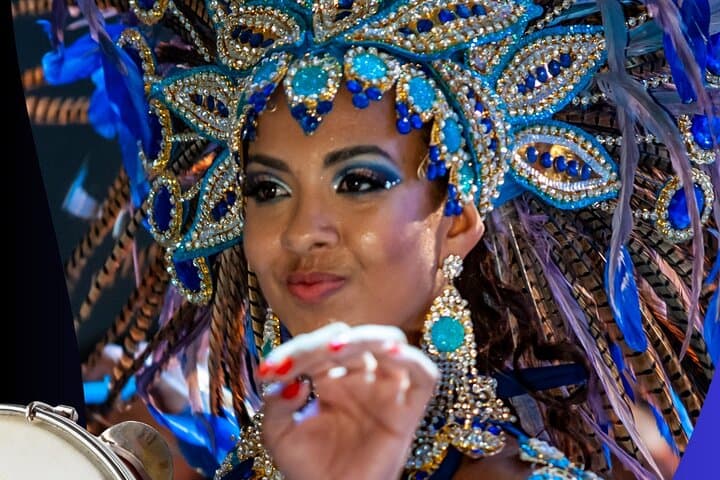
Expect a cultural deep‑dive: a pagoda (live rehearsal), costume glimpses, and a midnight bateria set with the drum queen leading call-and-response. There’s no parade ticket here—this is preparation and neighborhood life, not a staged show.
Practicalities: the experience runs about four hours, includes transport from central and southern pickup points, and is wheelchair accessible. Wear closed shoes, bring cash for local vendors, and keep valuables secure in crowded spaces. If you want to dance, follow the lead of locals and let the rhythm guide you; if you prefer to watch, find a position near the periphery of the quadra where the acoustics are best. Confirm language needs with the tour operator and arrive with an open mind—this is community music in motion, not a museum exhibit.
easy.
4 hours.
Basic mobility and ability to stand for extended periods; light dancing optional
Yes—transport from designated pickup points in Rio’s Centro and South Zone is included; confirm your chosen pickup when booking.
Yes—venues note wheelchair access and accessible surfaces, but contact the operator ahead of time to arrange specifics.
Yes—guests can often participate at the instructor’s invitation; follow local cues and the guidance of the tour staff.
No—tickets include guide and admission; food and drinks are typically available for purchase from on-site vendors.
Portela dates to 1923 and is one of Rio’s oldest samba schools; Salgueiro grew from Tijuca community roots with strong African cultural influence and quilombo connections.
Support these community institutions by buying food or merchandise locally and following venue rules; responsible tourism helps sustain rehearsal spaces and cultural programs.
Agência Etnias Turismo e Cultura operates guided outdoor trips and adventures with an emphasis on safety, stewardship, and memorable experiences.

A late-summer evening in Rio feels like a drumbeat: the streetlights warm the pavement, and the distant pulse of a bateria draws you toward a painted quadra. You arrive as neighbors do—by van from the South Zone or Centro—and step into a rehearsal where song, choreography and community intersect. The air tastes of fried snacks and sweat; the floor vibrates underfoot as the drumline commands the room.
A late-summer evening in Rio feels like a drumbeat: the streetlights warm the pavement, and the distant pulse of a bateria draws you toward a painted quadra. You arrive as neighbors do—by van from the South Zone or Centro—and step into a rehearsal where song, choreography and community intersect. The air tastes of fried snacks and sweat; the floor vibrates underfoot as the drumline commands the room.
These visits alternate between Portela in Madureira and Salgueiro in Andaraí. Portela, founded in 1923, is one of Rio’s oldest and most decorated schools, its history rooted in Black neighborhoods where freed families forged social and cultural institutions. Salgueiro carries strong African influences and emerged from Tijuca communities with links to quilombo traditions; its rehearsals highlight pageant storytelling and anthemic sambas.
Expect a cultural deep‑dive: a pagoda (live rehearsal), costume glimpses, and a midnight bateria set with the drum queen leading call-and-response. There’s no parade ticket here—this is preparation and neighborhood life, not a staged show.
Practicalities: the experience runs about four hours, includes transport from central and southern pickup points, and is wheelchair accessible. Wear closed shoes, bring cash for local vendors, and keep valuables secure in crowded spaces. If you want to dance, follow the lead of locals and let the rhythm guide you; if you prefer to watch, find a position near the periphery of the quadra where the acoustics are best. Confirm language needs with the tour operator and arrive with an open mind—this is community music in motion, not a museum exhibit.