THE ADVENTURE COLLECTIVE® · Independent discovery and booking for outdoor travel

Experience Kyoto after dark with a private tea ceremony inside a historic ryokan. This intimate 60‑minute program includes kimono dressing, Zen meditation, a tea demonstration, and hands‑on matcha whisking.
Experience Kyoto after dark with a private tea ceremony inside a historic ryokan. This intimate 60‑minute program includes kimono dressing, Zen meditation, a tea demonstration, and hands‑on matcha whisking.
You step from a lantern-lit lane into a low-ceilinged entrance; tatami smells faintly of straw and candlelight pools against a row of shoji screens. In a 20‑tatami banquet room usually closed to the public, a host bows and the city’s evening hush gathers around a single ceremonial hearth.
Verified experiences and guided adventures in the surrounding area.
Operated by ZEN: Tea Ceremony Experience in Kyoto (茶道体験所 禅) · Kyoto, Kyoto
You step from a lantern-lit lane into a low-ceilinged entrance; tatami smells faintly of straw and candlelight pools against a row of shoji screens. In a 20‑tatami banquet room usually closed to the public, a host bows and the city’s evening hush gathers around a single ceremonial hearth.
Kyoto’s tea culture grew from the samurai and monk circles of the Muromachi and Momoyama periods—rituals refined over centuries into the precise choreography you’ll see tonight. The ryokan itself reflects Kyoto’s basin geography: cedar timbers and paper screens that temper mountain air filtered through the city’s narrow streets. Expect formal gestures, quiet timing, and the tactile patterns of bamboo whisk and ceramic bowl.
This private, roughly 60‑minute experience pairs short Zen meditation, a demonstration, and hands‑on matcha whisking; kimono dressing and photographs are included, and translation devices remove the language barrier. The lesson is as much about posture and pace as taste—learn how the tea’s bitterness and the sweets’ starch balance one another, and why removing shoes and handling bowls respectfully matters.
Practical notes: book in advance for 2–6 guests, arrive 10–15 minutes early, and follow staff directions on kimono and photography. Wear breathable layers—tatami rooms heat differently from the street—and carry small bills for incidental purchases. The ceremony is intimate: move deliberately, speak softly, and use the moment to observe a living Kyoto ritual rather than stage it.
easy.
45–75 minutes.
No special fitness required; comfortable mobility for stepping into a kimono is helpful
Yes—translation devices are available so non‑Japanese speakers can follow the demonstration and participate.
Kimono provided are for the ceremony and photos inside the venue; check with staff if you plan to walk nearby afterwards.
The ryokan notes wheelchair accessibility for the venue and transportation options; contact the operator with specific mobility needs when booking.
Group size is 2–6 people; the listing notes a child price (under 15) at a lower rate—confirm at booking for current policy.
Tea ceremony in Kyoto developed alongside Zen practice and court ritual; many ryokan occupy sites with centuries of hospitality tradition.
Guests are asked to follow tatami etiquette and avoid bringing food onto mats; supporting long‑running ryokan helps preserve traditional crafts and local employment.
ZEN: Tea Ceremony Experience in Kyoto (茶道体験所 禅) operates guided outdoor trips and adventures with an emphasis on safety, stewardship, and memorable experiences.


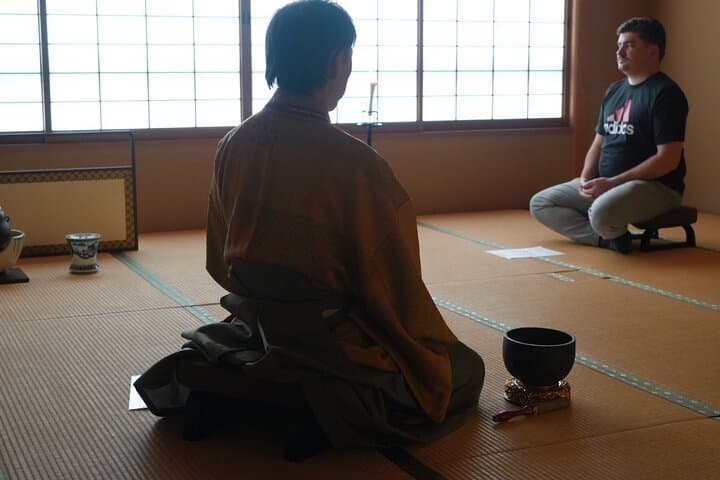
You step from a lantern-lit lane into a low-ceilinged entrance; tatami smells faintly of straw and candlelight pools against a row of shoji screens. In a 20‑tatami banquet room usually closed to the public, a host bows and the city’s evening hush gathers around a single ceremonial hearth.
You step from a lantern-lit lane into a low-ceilinged entrance; tatami smells faintly of straw and candlelight pools against a row of shoji screens. In a 20‑tatami banquet room usually closed to the public, a host bows and the city’s evening hush gathers around a single ceremonial hearth.
Kyoto’s tea culture grew from the samurai and monk circles of the Muromachi and Momoyama periods—rituals refined over centuries into the precise choreography you’ll see tonight. The ryokan itself reflects Kyoto’s basin geography: cedar timbers and paper screens that temper mountain air filtered through the city’s narrow streets. Expect formal gestures, quiet timing, and the tactile patterns of bamboo whisk and ceramic bowl.
This private, roughly 60‑minute experience pairs short Zen meditation, a demonstration, and hands‑on matcha whisking; kimono dressing and photographs are included, and translation devices remove the language barrier. The lesson is as much about posture and pace as taste—learn how the tea’s bitterness and the sweets’ starch balance one another, and why removing shoes and handling bowls respectfully matters.
Practical notes: book in advance for 2–6 guests, arrive 10–15 minutes early, and follow staff directions on kimono and photography. Wear breathable layers—tatami rooms heat differently from the street—and carry small bills for incidental purchases. The ceremony is intimate: move deliberately, speak softly, and use the moment to observe a living Kyoto ritual rather than stage it.