THE ADVENTURE COLLECTIVE® · Independent discovery and booking for outdoor travel

Spend a focused evening among some of Sri Lanka’s most visible wild elephants. This private jeep safari concentrates wildlife activity around Udawalawe Reservoir—expect close views, low light, and compact, practical game drives.
Spend a focused evening among some of Sri Lanka’s most visible wild elephants. This private jeep safari concentrates wildlife activity around Udawalawe Reservoir—expect close views, low light, and compact, practical game drives.
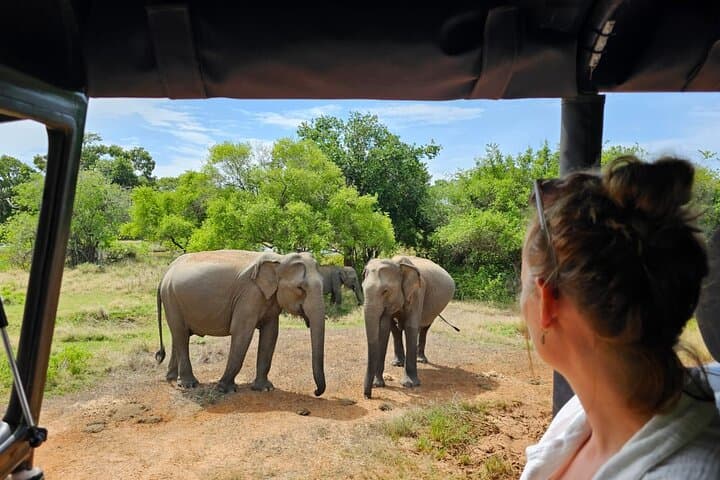
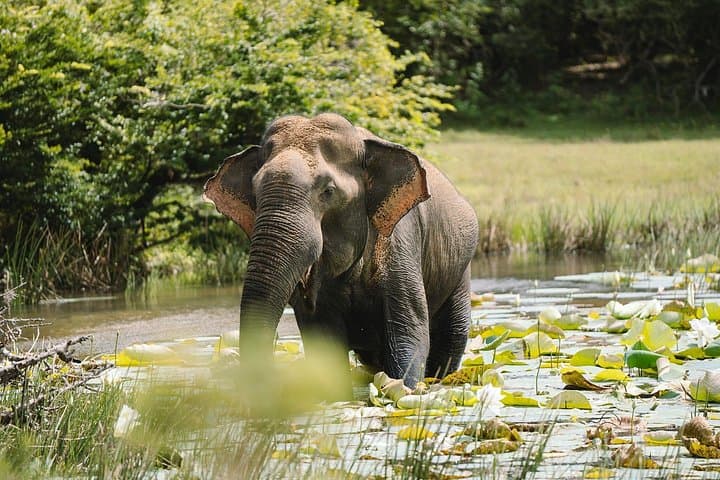
The jeep bumps across rutted track as late light slides over the reservoir; a family of elephants pauses at the water’s edge, trunks busy and ears flicking like small sails. An evening safari in Udawalawe concentrates the park’s raw, close-up wildlife energy into two or three focused hours: low sun, cooling air, and animals moving toward permanent water.
Verified experiences and guided adventures in the surrounding area.
Operated by La Safari Inn · Udawalawe, Sabaragamuwa Province
The jeep bumps across rutted track as late light slides over the reservoir; a family of elephants pauses at the water’s edge, trunks busy and ears flicking like small sails. An evening safari in Udawalawe concentrates the park’s raw, close-up wildlife energy into two or three focused hours: low sun, cooling air, and animals moving toward permanent water.
Udawalawe formed around a large man-made reservoir built in the 1960s; that lake and the surrounding grasslands shape the park’s ecology and draw elephants into predictable evening routines. The area sits on Miocene to Pleistocene sediments—flat plains punctuated by scrub, rocky outcrops and the occasional chena field—so game is visible rather than hidden in dense canopy. Local communities around Udawalawe and the on-site Elephant Transit Home add cultural context: conservation meets rural life here, and you’ll often see villagers and livestock beyond the park boundary.
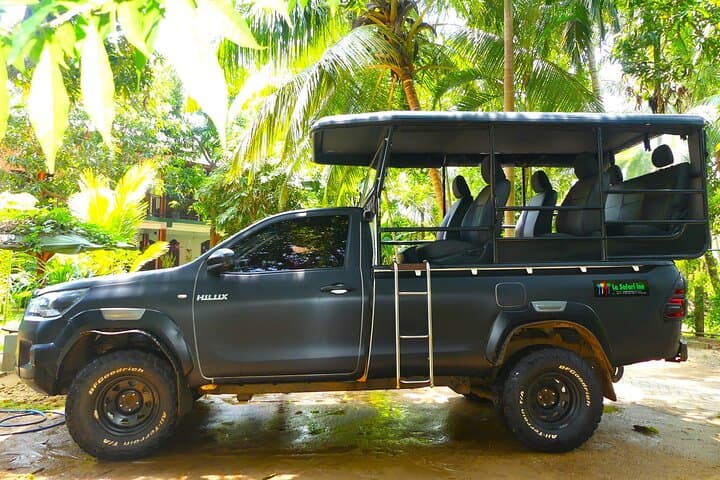
Practically, expect a private jeep, an experienced local driver-guide, and the possibility of very close encounters with Sri Lankan elephants—sometimes within a few meters. Wear closed shoes, bring binoculars and a telephoto lens, and budget for mid-afternoon pickup to catch the best light. Respect the guide’s distance rules: elephants that appear calm can change behavior quickly. The park is best visited in the dry season when herds concentrate at water; mornings and evenings are more active than midday. Hydrate, keep voices low, and prepare for dust—this is wildlife viewing, not a zoo. For photographers and wildlife lovers, an evening drive here is straightforward, dramatic, and deeply rewarding.
easy.
2–3 hours.
Suitable for travelers with basic mobility; no strenuous hiking or heavy exertion.
Close encounters are common—sometimes a few meters—but guides maintain safe distances and will move the vehicle if animals appear agitated.
Yes—children can join, but infants must sit on an adult’s lap and all passengers should follow guide safety rules.
The dry season generally concentrates wildlife around water sources; evenings and mornings produce the most consistent activity.
No—feeding wildlife is prohibited to protect animal health and natural behavior; bring water and eat only in designated areas.
The park developed around a 20th-century reservoir project; it later became a designated sanctuary to protect elephant corridors and provide habitat in a changing agricultural landscape.
Udawalawe plays a key role in elephant rehabilitation and corridor protection—visitors are asked to follow park rules to minimize disturbance and support local conservation efforts.
La Safari Inn operates guided outdoor trips and adventures with an emphasis on safety, stewardship, and memorable experiences.

The jeep bumps across rutted track as late light slides over the reservoir; a family of elephants pauses at the water’s edge, trunks busy and ears flicking like small sails. An evening safari in Udawalawe concentrates the park’s raw, close-up wildlife energy into two or three focused hours: low sun, cooling air, and animals moving toward permanent water.
The jeep bumps across rutted track as late light slides over the reservoir; a family of elephants pauses at the water’s edge, trunks busy and ears flicking like small sails. An evening safari in Udawalawe concentrates the park’s raw, close-up wildlife energy into two or three focused hours: low sun, cooling air, and animals moving toward permanent water.
Udawalawe formed around a large man-made reservoir built in the 1960s; that lake and the surrounding grasslands shape the park’s ecology and draw elephants into predictable evening routines. The area sits on Miocene to Pleistocene sediments—flat plains punctuated by scrub, rocky outcrops and the occasional chena field—so game is visible rather than hidden in dense canopy. Local communities around Udawalawe and the on-site Elephant Transit Home add cultural context: conservation meets rural life here, and you’ll often see villagers and livestock beyond the park boundary.
Practically, expect a private jeep, an experienced local driver-guide, and the possibility of very close encounters with Sri Lankan elephants—sometimes within a few meters. Wear closed shoes, bring binoculars and a telephoto lens, and budget for mid-afternoon pickup to catch the best light. Respect the guide’s distance rules: elephants that appear calm can change behavior quickly. The park is best visited in the dry season when herds concentrate at water; mornings and evenings are more active than midday. Hydrate, keep voices low, and prepare for dust—this is wildlife viewing, not a zoo. For photographers and wildlife lovers, an evening drive here is straightforward, dramatic, and deeply rewarding.