THE ADVENTURE COLLECTIVE® · Independent discovery and booking for outdoor travel

An evening in the Dubai desert moves from camel farm calm to adrenaline-fueled dune bashing, then settles into a BBQ under the stars with traditional dance. This guide explains what you'll see, how the landscape and culture shape the experience, and practical tips to make the most of it.
An evening in the Dubai desert moves from camel farm calm to adrenaline-fueled dune bashing, then settles into a BBQ under the stars with traditional dance. This guide explains what you'll see, how the landscape and culture shape the experience, and practical tips to make the most of it.
Late afternoon light spills across rippled red sand as a Land Cruiser climbs a dune and then drops, the vehicle and the desert trading momentum like old rivals. The wind has been at work all day, pushing the dunes into clean ridgelines that dare you to crest them. Your evening begins at a camel farm—slow-eyed, patient animals that recall the region’s Bedouin past—then threads deeper into open sand for the main event: high-speed dune bashing and wide, empty horizons.
Verified experiences and guided adventures in the surrounding area.
Operated by JOON TOURISM · Dubai, Dubai
Late afternoon light spills across rippled red sand as a Land Cruiser climbs a dune and then drops, the vehicle and the desert trading momentum like old rivals. The wind has been at work all day, pushing the dunes into clean ridgelines that dare you to crest them. Your evening begins at a camel farm—slow-eyed, patient animals that recall the region’s Bedouin past—then threads deeper into open sand for the main event: high-speed dune bashing and wide, empty horizons.
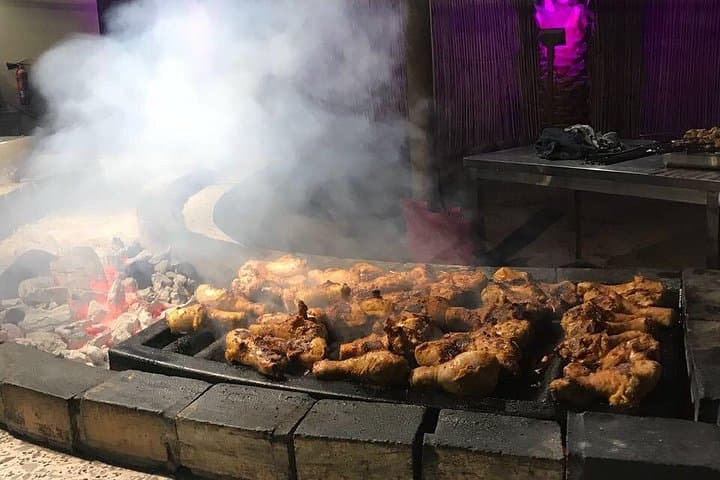
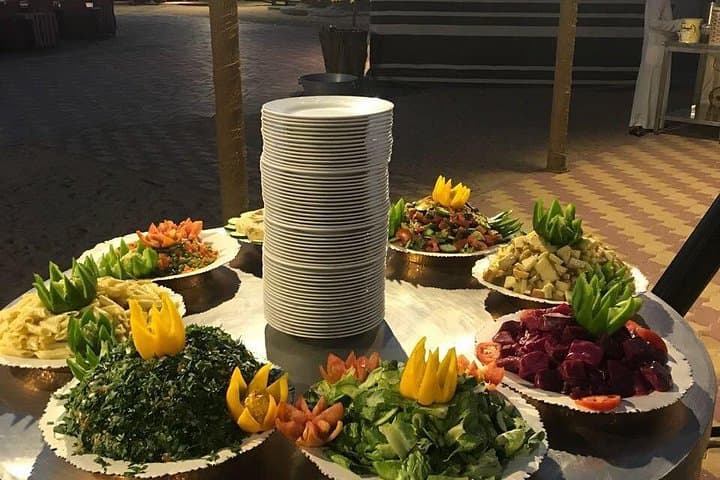
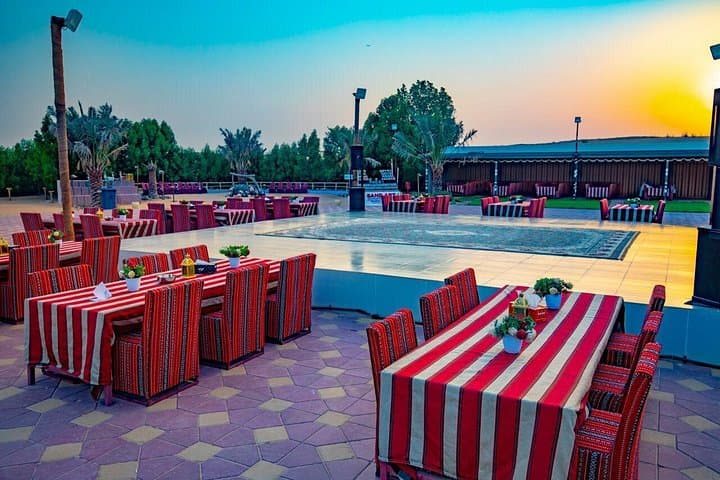
Geologically the Dubai desert is part of a coastal erg shaped by wind and occasional flash rain; iron oxides lend the sand its warm color and the dunes shift after each season. Culturally, the safari borrows from Emirati traditions—Arabic gahwa (coffee) and dates, then an open-air barbecue and performances: tanoura spinning and belly dance that connect modern tourism with folkloric performance.
Practically, expect a 4–6 hour window that includes pickup and return to Dubai, with most tours timed for late afternoon to capture cooler temperatures and sunset. The ride is bumpy; travelers with spinal or heart conditions, or pregnant guests, should avoid aggressive dune runs. Bring a bottle of water, a hat, and a camera with a fast shutter—sand and light change quickly.
Timing and clothing matter: lightweight, breathable layers for the sun-to-cool transition, closed-toe shoes for moving around the camp, and motion-sickness remedies if you’re sensitive. Respect local customs in the camp—modest dress during entertainment—and pack out what you pack in: the desert’s quiet recovers slowly from footprints and litter.
moderate.
4–6 hours.
Moderate fitness; able to tolerate bumpy rides and short walks at the camp.
Most operators include round-trip hotel pickup within Dubai; confirm your pickup point and time during booking.
Children are usually allowed but infants may be required to sit on a lap; check age policies and child seat requirements with the operator.
Dune bashing is driven by experienced drivers but involves rapid vehicle movements; people with spinal, heart, or pregnancy-related issues should not participate.
Alcohol is typically provided only at licensed camp events if included; bringing alcohol is discouraged and local customs should be respected—ask the operator about food policies.
The desert around Dubai was historically used by Bedouin caravans and camel herders; camels remain a cultural symbol and practical companion in regional history.
Operators and the Dubai authorities manage many popular sites to limit off-route driving and preserve delicate dune ecosystems; avoid littering and follow guide instructions to minimize impact.
JOON TOURISM operates guided outdoor trips and adventures with an emphasis on safety, stewardship, and memorable experiences.
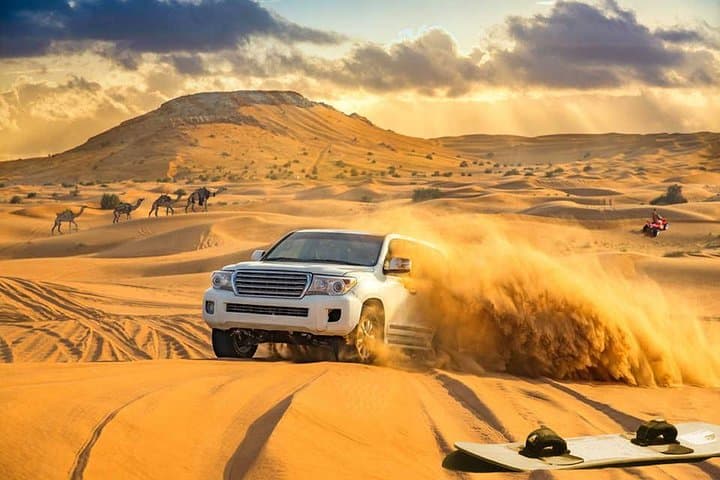
Late afternoon light spills across rippled red sand as a Land Cruiser climbs a dune and then drops, the vehicle and the desert trading momentum like old rivals. The wind has been at work all day, pushing the dunes into clean ridgelines that dare you to crest them. Your evening begins at a camel farm—slow-eyed, patient animals that recall the region’s Bedouin past—then threads deeper into open sand for the main event: high-speed dune bashing and wide, empty horizons.
Late afternoon light spills across rippled red sand as a Land Cruiser climbs a dune and then drops, the vehicle and the desert trading momentum like old rivals. The wind has been at work all day, pushing the dunes into clean ridgelines that dare you to crest them. Your evening begins at a camel farm—slow-eyed, patient animals that recall the region’s Bedouin past—then threads deeper into open sand for the main event: high-speed dune bashing and wide, empty horizons.
Geologically the Dubai desert is part of a coastal erg shaped by wind and occasional flash rain; iron oxides lend the sand its warm color and the dunes shift after each season. Culturally, the safari borrows from Emirati traditions—Arabic gahwa (coffee) and dates, then an open-air barbecue and performances: tanoura spinning and belly dance that connect modern tourism with folkloric performance.
Practically, expect a 4–6 hour window that includes pickup and return to Dubai, with most tours timed for late afternoon to capture cooler temperatures and sunset. The ride is bumpy; travelers with spinal or heart conditions, or pregnant guests, should avoid aggressive dune runs. Bring a bottle of water, a hat, and a camera with a fast shutter—sand and light change quickly.
Timing and clothing matter: lightweight, breathable layers for the sun-to-cool transition, closed-toe shoes for moving around the camp, and motion-sickness remedies if you’re sensitive. Respect local customs in the camp—modest dress during entertainment—and pack out what you pack in: the desert’s quiet recovers slowly from footprints and litter.