THE ADVENTURE COLLECTIVE® · Independent discovery and booking for outdoor travel

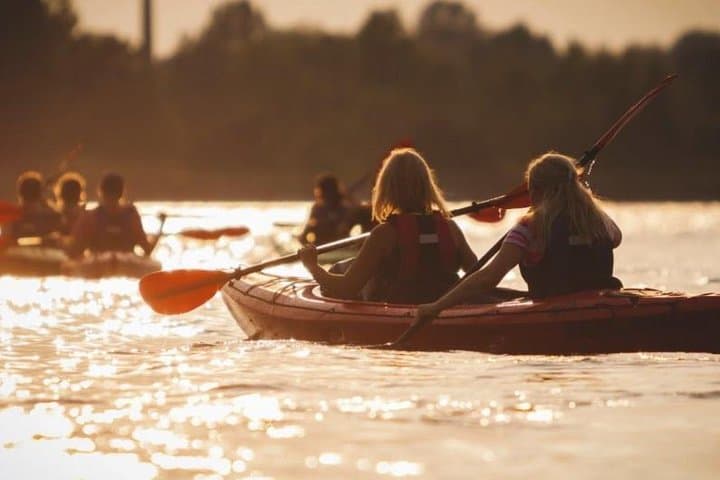
Paddle Riga’s Daugava and the looping city canals at dusk to see Old Riga reflected in calm waters and meet its urban wildlife. This two-hour evening kayak tour is beginner-friendly and reveals the city’s history from a unique riverside angle.
Paddle Riga’s Daugava and the looping city canals at dusk to see Old Riga reflected in calm waters and meet its urban wildlife. This two-hour evening kayak tour is beginner-friendly and reveals the city’s history from a unique riverside angle.
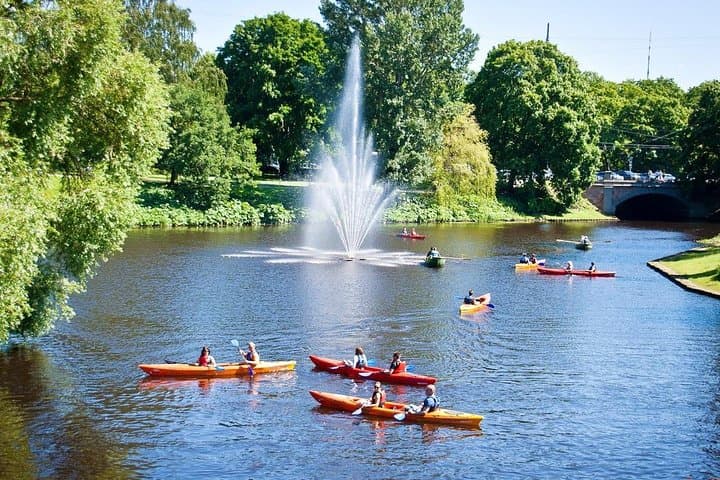
The city lights loosen their grip as you push off into the Daugava, paddles cutting a quiet path where traffic noise once ruled. Riga’s river widens and then narrows into a ring of canals that slip behind pale 19th-century parks; the water takes on a glassy patience and the city reveals itself in reflected windows and park lamps.
Verified experiences and guided adventures in the surrounding area.
Operated by Weekend In Riga · Riga, Riga
The city lights loosen their grip as you push off into the Daugava, paddles cutting a quiet path where traffic noise once ruled. Riga’s river widens and then narrows into a ring of canals that slip behind pale 19th-century parks; the water takes on a glassy patience and the city reveals itself in reflected windows and park lamps.
The canal network started as a defensive moat around medieval Riga. By the late 1800s the walls were removed and the canals became landscaped features that now loop through the green belts around Old Riga. Geologically this is flat, glacial plain—no rapids, only slow-moving river channels shaped by the Baltic basin and human engineering.
Culturally, paddling here is an urban ritual: you share the water with swans, city birds, and occasionally the local beavers that have adapted to urban life. The rhythm of the paddle sets the pace to listen for distant church bells and watch stoic brick facades slide past.
Practical guidance: trips run about two hours on calm water, suitable for beginners and families. Wear quick-dry layers and a windbreaker; evening temperatures can drop. Guides provide waterproof bags and basic instruction, and tours are often private groups by request. Respect wildlife—keep distance from beavers and avoid sudden splashes—and choose an evening start to experience the city when light and noise soften. With basic paddling technique, a dry kit, and moderate fitness, this is an approachable way to see Riga from a quiet, river-first perspective.
easy.
2 hours.
Suitable for most fitness levels; requires basic balance and light paddling ability
The tour is rated easy and designed for beginners; basic mobility and the ability to sit and paddle for about two hours is sufficient.
Yes—swans and city birds are common, and beavers are sometimes spotted along calmer canal sections; sightings cannot be guaranteed.
No—guides provide a short safety and paddling briefing and the route uses flat, sheltered water suitable for first-timers.
This operator sells all sales final and does not automatically cancel for weather; check with the provider for specific contingency plans if conditions are unsafe.
Riga’s canal system began as a defensive moat; after the city walls were removed in the late 1800s the canals were reshaped into park features that now border Old Riga.
Urban waterway etiquette matters—avoid feeding wildlife, minimize noise, and use provided waterproof bags to reduce litter and protect aquatic life.
Weekend In Riga operates guided outdoor trips and adventures with an emphasis on safety, stewardship, and memorable experiences.
The city lights loosen their grip as you push off into the Daugava, paddles cutting a quiet path where traffic noise once ruled. Riga’s river widens and then narrows into a ring of canals that slip behind pale 19th-century parks; the water takes on a glassy patience and the city reveals itself in reflected windows and park lamps.
The city lights loosen their grip as you push off into the Daugava, paddles cutting a quiet path where traffic noise once ruled. Riga’s river widens and then narrows into a ring of canals that slip behind pale 19th-century parks; the water takes on a glassy patience and the city reveals itself in reflected windows and park lamps.
The canal network started as a defensive moat around medieval Riga. By the late 1800s the walls were removed and the canals became landscaped features that now loop through the green belts around Old Riga. Geologically this is flat, glacial plain—no rapids, only slow-moving river channels shaped by the Baltic basin and human engineering.
Culturally, paddling here is an urban ritual: you share the water with swans, city birds, and occasionally the local beavers that have adapted to urban life. The rhythm of the paddle sets the pace to listen for distant church bells and watch stoic brick facades slide past.
Practical guidance: trips run about two hours on calm water, suitable for beginners and families. Wear quick-dry layers and a windbreaker; evening temperatures can drop. Guides provide waterproof bags and basic instruction, and tours are often private groups by request. Respect wildlife—keep distance from beavers and avoid sudden splashes—and choose an evening start to experience the city when light and noise soften. With basic paddling technique, a dry kit, and moderate fitness, this is an approachable way to see Riga from a quiet, river-first perspective.