THE ADVENTURE COLLECTIVE® · Independent discovery and booking for outdoor travel

Make the most of an evening by Kansai International Airport with a three-hour walk through Izumisano’s small restaurants and standing bars. Taste fresh sashimi, nabe and locally selected sake while learning neighborhood customs and transport tips from a local guide.
Make the most of an evening by Kansai International Airport with a three-hour walk through Izumisano’s small restaurants and standing bars. Taste fresh sashimi, nabe and locally selected sake while learning neighborhood customs and transport tips from a local guide.
Night falls on the strip between Kansai International Airport and Izumisano like a set change: neon signage flickers on, the sea hushes at the breakwaters and the narrow alleys off Izumisano Station begin to pulse. You step off the train and the city breathes warm steam and the smell of grilled fish—this three-hour tasting loop stitches together small izakaya, standing bars (tachinomi) and a new wine stand where locals drop in between shifts.
Verified experiences and guided adventures in the surrounding area.
Operated by NIKU · Izumisano, Osaka Prefecture
Night falls on the strip between Kansai International Airport and Izumisano like a set change: neon signage flickers on, the sea hushes at the breakwaters and the narrow alleys off Izumisano Station begin to pulse. You step off the train and the city breathes warm steam and the smell of grilled fish—this three-hour tasting loop stitches together small izakaya, standing bars (tachinomi) and a new wine stand where locals drop in between shifts.
This coastline was a working port for centuries; the reclaimed land that carries Kansai Airport is modern engineering, but Izumisano’s streets still keep the rhythms of fish markets and neighborhood pubs. Geology here is recent—Osaka Bay’s soft alluvial plains give way to reclaimed airport island—so the shore feels close, and seabirds often wheel above late-night conversations.
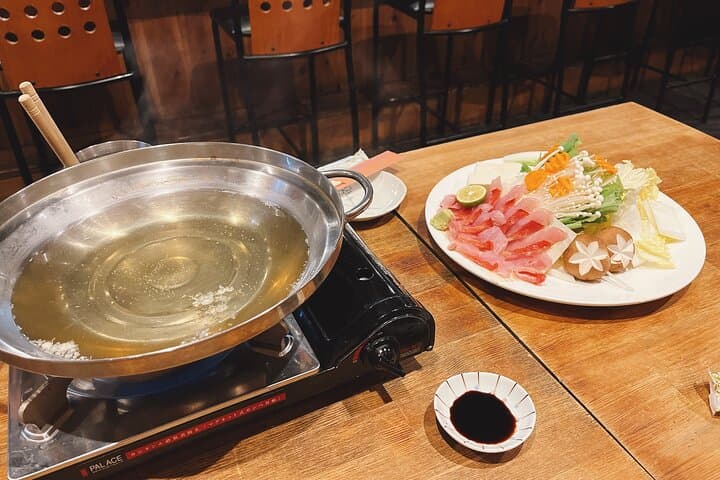
Expect courses rather than a single meal: sashimi cut to order, a simmered nabe, seasonal side dishes and sake paired by proprietors who prize local fish and regionally brewed rice wine. Conversation is part of the flavor—bartenders and salarymen alike will lean in and recommend a sip.
Practical guidance: trains from Kansai Airport to Izumisano take about 15 minutes; bring cash (many small bars are cash-first), carry a light layer for coastal wind and aim for a 6–9pm window when kitchens are busiest. Pace yourself between venues—one complimentary drink is typically included per stop—and let your guide orient you to local etiquette (slurps are fine; tipping isn’t expected). This is an urban, sensory tour: fast-moving, food-forward and rooted in neighborhood hospitality.
easy.
3 hours.
Minimal walking between nearby venues; suitable for all fitness levels who can stand and walk short distances.
Take the JR or Nankai line to Izumisano Station—journeys are about 10–20 minutes depending on the service; your guide will meet you near the station exit.
Dinner costs and one complimentary drink per restaurant are included in the tour price; additional drinks or special requests are paid locally.
Many stops center on seafood and meat but the guide can coordinate vegetarian or allergy-sensitive options if informed in advance.
Japan’s legal drinking age is 20; carry ID. Most places accept cash and some accept cards, but cash is recommended for smaller venues.
Izumisano evolved as a fishing and market town long before Kansai Airport was built; the airport’s construction on reclaimed land in the 1990s reshaped the coast and travel patterns.
Coastal development and nightlife waste can strain shore habitats—support small businesses, avoid single-use plastics and use public transit to reduce local impact.
NIKU operates guided outdoor trips and adventures with an emphasis on safety, stewardship, and memorable experiences.



Night falls on the strip between Kansai International Airport and Izumisano like a set change: neon signage flickers on, the sea hushes at the breakwaters and the narrow alleys off Izumisano Station begin to pulse. You step off the train and the city breathes warm steam and the smell of grilled fish—this three-hour tasting loop stitches together small izakaya, standing bars (tachinomi) and a new wine stand where locals drop in between shifts.
Night falls on the strip between Kansai International Airport and Izumisano like a set change: neon signage flickers on, the sea hushes at the breakwaters and the narrow alleys off Izumisano Station begin to pulse. You step off the train and the city breathes warm steam and the smell of grilled fish—this three-hour tasting loop stitches together small izakaya, standing bars (tachinomi) and a new wine stand where locals drop in between shifts.
This coastline was a working port for centuries; the reclaimed land that carries Kansai Airport is modern engineering, but Izumisano’s streets still keep the rhythms of fish markets and neighborhood pubs. Geology here is recent—Osaka Bay’s soft alluvial plains give way to reclaimed airport island—so the shore feels close, and seabirds often wheel above late-night conversations.
Expect courses rather than a single meal: sashimi cut to order, a simmered nabe, seasonal side dishes and sake paired by proprietors who prize local fish and regionally brewed rice wine. Conversation is part of the flavor—bartenders and salarymen alike will lean in and recommend a sip.
Practical guidance: trains from Kansai Airport to Izumisano take about 15 minutes; bring cash (many small bars are cash-first), carry a light layer for coastal wind and aim for a 6–9pm window when kitchens are busiest. Pace yourself between venues—one complimentary drink is typically included per stop—and let your guide orient you to local etiquette (slurps are fine; tipping isn’t expected). This is an urban, sensory tour: fast-moving, food-forward and rooted in neighborhood hospitality.