THE ADVENTURE COLLECTIVE® · Independent discovery and booking for outdoor travel

Escape Dubai’s skyline for an evening among the red dunes: dune bashing, a camel stroll and a desert camp dinner under the stars. This guide covers what to expect, local context and practical tips to make the most of the safari.
Escape Dubai’s skyline for an evening among the red dunes: dune bashing, a camel stroll and a desert camp dinner under the stars. This guide covers what to expect, local context and practical tips to make the most of the safari.
Wind-licked ridges of red sand roll out beneath a wide Arabian sky as a 4x4 carves a diagonal across the dune, throwing a spray of grit that catches the late light. The air cools after the heat of the city and the horizon tightens into a low, sculpted skyline of dunes.
Verified experiences and guided adventures in the surrounding area.
Operated by Happy Land Toursim · Dubai, Dubai
Wind-licked ridges of red sand roll out beneath a wide Arabian sky as a 4x4 carves a diagonal across the dune, throwing a spray of grit that catches the late light. The air cools after the heat of the city and the horizon tightens into a low, sculpted skyline of dunes.
The Dubai desert is part of the greater Arabian Desert system formed by millennia of wind and shifting sands; camel caravans once threaded these same routes between oases and coastal ports, and Bedouin traditions still shape evening camp etiquette and food. Geologically the dunes are primarily quartz sand stained by iron oxides, giving the tawny-red color at sunset that photographers prize.
On a typical evening safari expect dune bashing in a calibrated SUV, a short camel ride, sunset photo stops and a desert camp with Arabic coffee and a buffet dinner. Entertainment often includes henna, short folklore performances and opportunities to watch falconry demonstrations—modern tourism layered over traditional craft.
Practical tips: wear closed shoes to keep sand out, bring a light layer for the cooling night, and carry sun protection even if the tour leaves late afternoon. Hydrate before you arrive; bottled water is usually provided, but deserts dehydrate quickly. If you have back problems, pregnant or have heart issues, choose gentler options—dune bashing can be jarring.
Timing: arrive for pickup on schedule; sunset tours maximize light and cooler temperatures. Respect cultural norms—dress modestly at camps—and leave no trace by using provided trash receptacles. Book midweek to avoid crowds.
moderate.
6–7 hours.
Moderate—able to handle short walks, brief climbs onto camels, and the jostle of dune bashing.
Typical evening safaris run about 6–7 hours including hotel pickup, dune activities, camp time and return transfer.
Operators use trained drivers and safety briefings; still, the ride is rough—those with spinal, heart, or pregnancy concerns should avoid dune bashing.
Most tours include bottled water and a buffet-style dinner at the desert camp; check the tour inclusions before booking.
Smart-casual and modest clothing—light layers, covered shoulders and knees are respectful and practical for dust and cooling temperatures.
Bedouin communities crossed these dunes for trade and seasonal grazing; many camp customs and dishes served today draw from that heritage.
Desert ecosystems are fragile—stick to designated routes, avoid driving on vegetation and take all trash back to camp receptacles.
Happy Land Toursim operates guided outdoor trips and adventures with an emphasis on safety, stewardship, and memorable experiences.
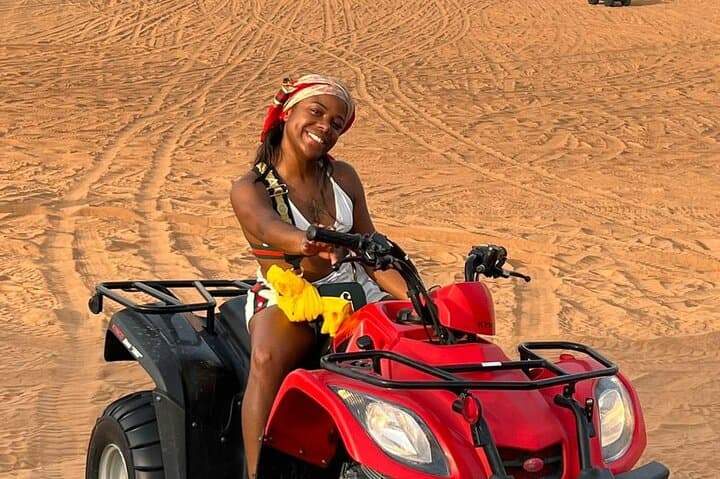
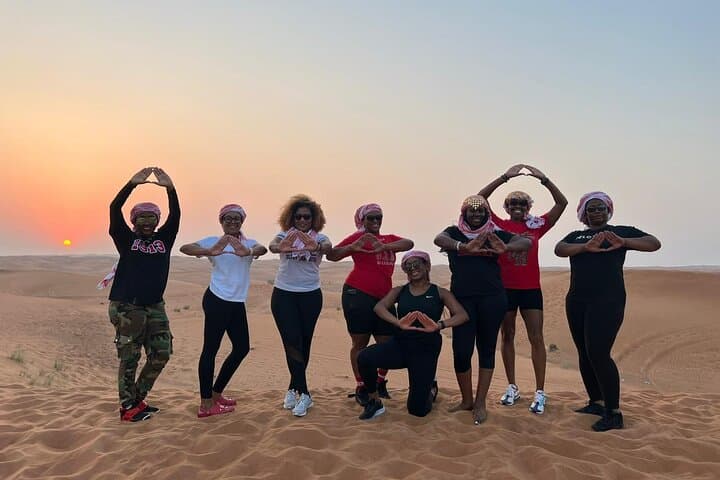
Wind-licked ridges of red sand roll out beneath a wide Arabian sky as a 4x4 carves a diagonal across the dune, throwing a spray of grit that catches the late light. The air cools after the heat of the city and the horizon tightens into a low, sculpted skyline of dunes.
Wind-licked ridges of red sand roll out beneath a wide Arabian sky as a 4x4 carves a diagonal across the dune, throwing a spray of grit that catches the late light. The air cools after the heat of the city and the horizon tightens into a low, sculpted skyline of dunes.
The Dubai desert is part of the greater Arabian Desert system formed by millennia of wind and shifting sands; camel caravans once threaded these same routes between oases and coastal ports, and Bedouin traditions still shape evening camp etiquette and food. Geologically the dunes are primarily quartz sand stained by iron oxides, giving the tawny-red color at sunset that photographers prize.
On a typical evening safari expect dune bashing in a calibrated SUV, a short camel ride, sunset photo stops and a desert camp with Arabic coffee and a buffet dinner. Entertainment often includes henna, short folklore performances and opportunities to watch falconry demonstrations—modern tourism layered over traditional craft.
Practical tips: wear closed shoes to keep sand out, bring a light layer for the cooling night, and carry sun protection even if the tour leaves late afternoon. Hydrate before you arrive; bottled water is usually provided, but deserts dehydrate quickly. If you have back problems, pregnant or have heart issues, choose gentler options—dune bashing can be jarring.
Timing: arrive for pickup on schedule; sunset tours maximize light and cooler temperatures. Respect cultural norms—dress modestly at camps—and leave no trace by using provided trash receptacles. Book midweek to avoid crowds.