THE ADVENTURE COLLECTIVE® · Independent discovery and booking for outdoor travel

Ride over red dunes and arrive at a lively heritage camp for barbecue, performances, camel rides and henna. This evening safari near Lahbab balances a dose of adrenaline with accessible cultural experiences and sunset views.
Ride over red dunes and arrive at a lively heritage camp for barbecue, performances, camel rides and henna. This evening safari near Lahbab balances a dose of adrenaline with accessible cultural experiences and sunset views.
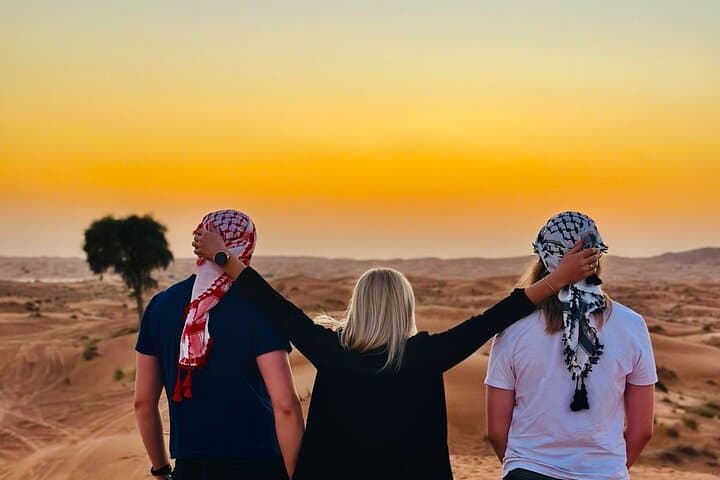
You crest a wind-sculpted dune as the sun drops toward the horizon, the desert going from gold to iron-red in minutes. Vehicles hum in the distance; the air smells faintly of warmed sand and charcoal. This is the Lahbab red-dune landscape, where evening desert safaris meet traditional hospitality at a heritage camp.
Verified experiences and guided adventures in the surrounding area.
Operated by ECLIPSE TRAVEL TOURISM · Dubai, Dubai
You crest a wind-sculpted dune as the sun drops toward the horizon, the desert going from gold to iron-red in minutes. Vehicles hum in the distance; the air smells faintly of warmed sand and charcoal. This is the Lahbab red-dune landscape, where evening desert safaris meet traditional hospitality at a heritage camp.
The dunes are young geologically—sand shifted by Arabian winds into sharp ridges of iron-rich quartz and shell fragments. Bedouin routes crossed these plains for centuries; modern tourism layers in staged camel rides, henna artists, and choreographed dance shows that echo regional culture while serving visitors.
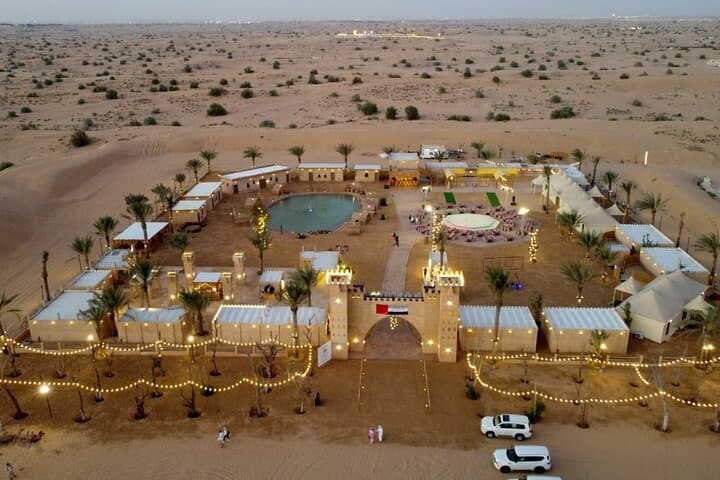
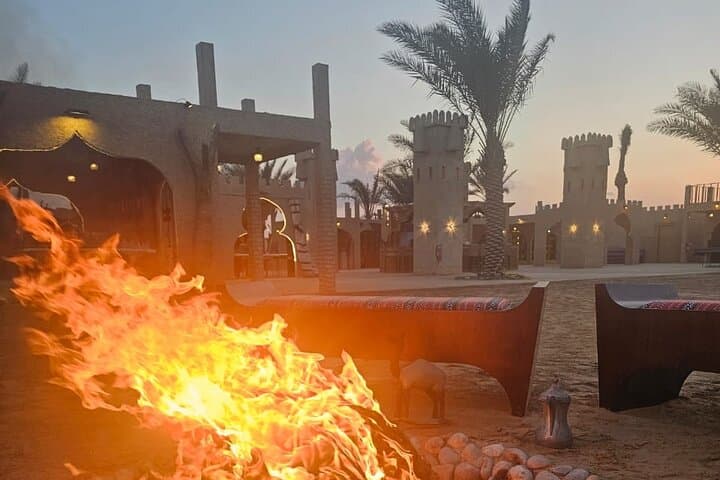
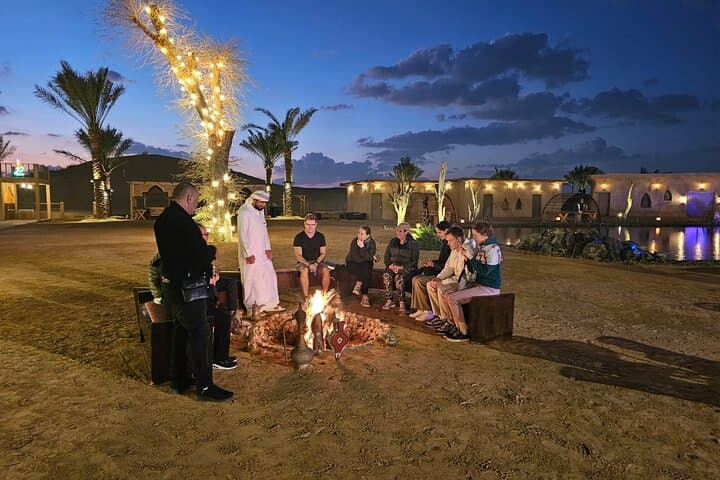
At the heritage camp expect an open dining area, low seating, and performances: Tanoura and belly dancing, a fire show, plus a barbecue buffet focused on grilled meats and regional salads. Dune bashing in a 4x4 delivers 25–40 minutes of adrenaline; short camel treks and henna painting add calmer moments for photos.
Practical details matter. Pickup from Dubai hotels is common and drives take about 40–60 minutes depending on traffic. Bring sun protection, a light layer for the cooling night, and motion-sickness meds if you’re prone to queasy stomachs during dune bashing. Hydrate before you go—liquid loss is easy in desert air—and wear closed shoes for sand and camp walkways.
Timing your visit for sunset secures the best light and cooler temperatures. Respect performers and local customs: photography during rituals is polite only when invited. Ask about vegetarian options and exact pickup logistics when you book; confirm approximate vehicle capacity and return time.
easy.
6–7 hours.
Suitable for most fitness levels; requires the ability to climb a short camel saddle and walk on sand; not recommended for people with serious back problems or pregnant travelers.
Expect about 6–7 hours total including hotel pickup, dune activities, camp time, dinner, performances and return transfer.
Yes — private pickup in a 4x4 SUV from Dubai hotels is typically included; confirm your pickup point when booking.
Buffet options usually include vegetarian dishes; notify the operator at booking for specific dietary needs.
Families are welcome but infants must sit on an adult’s lap; the bumpy dune ride and camp environment may be unsuitable for very young children or those with mobility limits.
Bedouin communities traversed these dunes for trade and seasonal grazing; camps now recreate elements of that hospitality while catering to visitors.
Stay on established tracks during dune driving and avoid disturbing native plants; tour operators often run awareness programs and limit littering to protect fragile desert soils.
ECLIPSE TRAVEL TOURISM operates guided outdoor trips and adventures with an emphasis on safety, stewardship, and memorable experiences.
You crest a wind-sculpted dune as the sun drops toward the horizon, the desert going from gold to iron-red in minutes. Vehicles hum in the distance; the air smells faintly of warmed sand and charcoal. This is the Lahbab red-dune landscape, where evening desert safaris meet traditional hospitality at a heritage camp.
You crest a wind-sculpted dune as the sun drops toward the horizon, the desert going from gold to iron-red in minutes. Vehicles hum in the distance; the air smells faintly of warmed sand and charcoal. This is the Lahbab red-dune landscape, where evening desert safaris meet traditional hospitality at a heritage camp.
The dunes are young geologically—sand shifted by Arabian winds into sharp ridges of iron-rich quartz and shell fragments. Bedouin routes crossed these plains for centuries; modern tourism layers in staged camel rides, henna artists, and choreographed dance shows that echo regional culture while serving visitors.
At the heritage camp expect an open dining area, low seating, and performances: Tanoura and belly dancing, a fire show, plus a barbecue buffet focused on grilled meats and regional salads. Dune bashing in a 4x4 delivers 25–40 minutes of adrenaline; short camel treks and henna painting add calmer moments for photos.
Practical details matter. Pickup from Dubai hotels is common and drives take about 40–60 minutes depending on traffic. Bring sun protection, a light layer for the cooling night, and motion-sickness meds if you’re prone to queasy stomachs during dune bashing. Hydrate before you go—liquid loss is easy in desert air—and wear closed shoes for sand and camp walkways.
Timing your visit for sunset secures the best light and cooler temperatures. Respect performers and local customs: photography during rituals is polite only when invited. Ask about vegetarian options and exact pickup logistics when you book; confirm approximate vehicle capacity and return time.