THE ADVENTURE COLLECTIVE® · Independent discovery and booking for outdoor travel

Head into the Lahbab red dunes for a high-energy 4x4 dune bash followed by a traditional BBQ, live performances, camel rides and sandboarding. This evening safari pairs adrenaline and cultural entertainment under desert stars.
Head into the Lahbab red dunes for a high-energy 4x4 dune bash followed by a traditional BBQ, live performances, camel rides and sandboarding. This evening safari pairs adrenaline and cultural entertainment under desert stars.
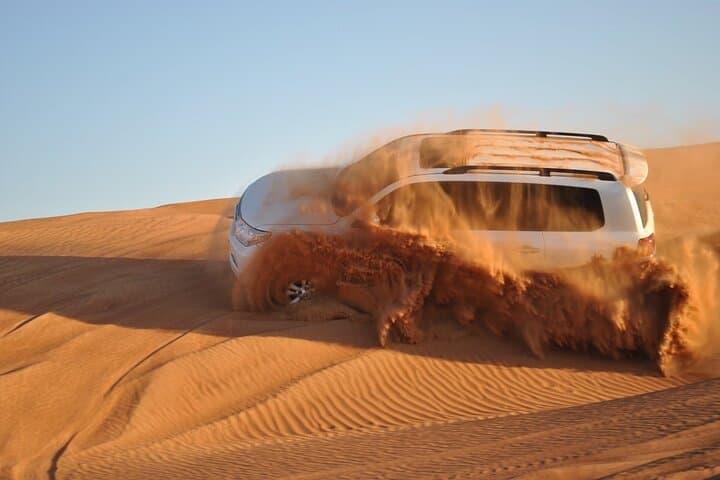
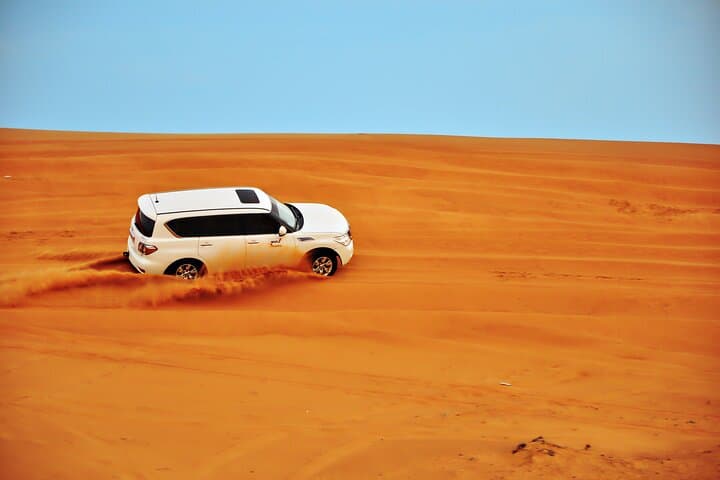
A low sun paints the red dunes in long bands of shadow as your 4x4 climbs an empty ridge and the city drops behind you. Wind pushes grains into quicksilver ripples; the driver eases the throttle, and for thirty breathless minutes the dune bashing feels like a conversation between vehicle and sand.
Verified experiences and guided adventures in the surrounding area.
Operated by Arabian Safari Adventure · Dubai, Dubai
A low sun paints the red dunes in long bands of shadow as your 4x4 climbs an empty ridge and the city drops behind you. Wind pushes grains into quicksilver ripples; the driver eases the throttle, and for thirty breathless minutes the dune bashing feels like a conversation between vehicle and sand.
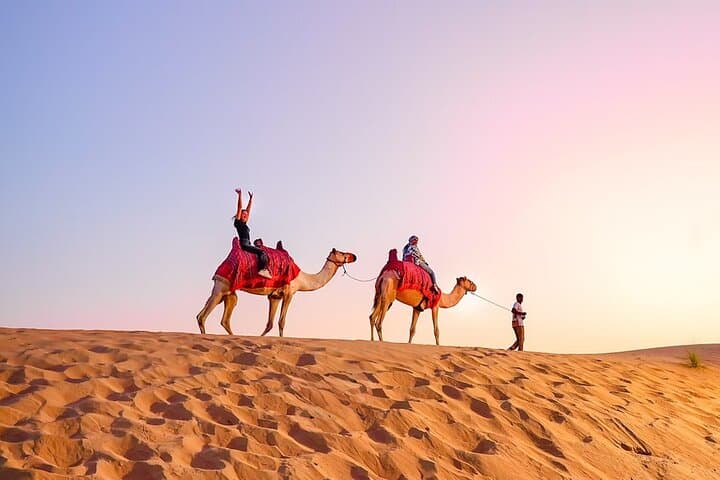
The Lahbab red dunes sit on ancient windblown deposits shaped by millennia of Arabian winds. Bedouin trade routes once threaded these sands; today’s camp life borrows from that heritage—tea on arrival, camel rides that nod to historic transport, and storytelling through dance and music at night.
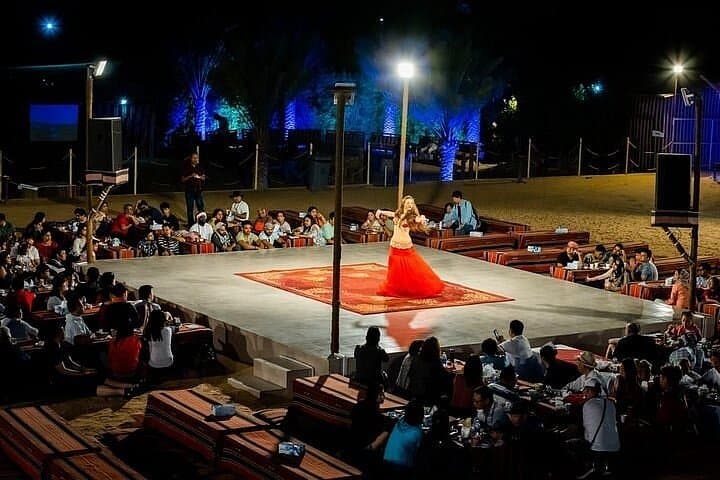
Culturally, the evening blends performative tradition (tanoura and belly dance) with tourist-focused comforts: a shaded sitting area, separate toilets, and a buffet-style BBQ that serves both veg and non-veg options. Geologically the sand is iron-rich, giving the dunes their orange-red glow at sunset; ecologically the area is fragile, with sparse shrubs and adapted fauna clinging to dune slopes.
Practical guidance: wear closed-toe shoes for sandboarding and walking, bring sunscreen and a light layer for the cooling night, and secure loose items during dune bashing. Cameras are safe in a pocket but expect motion; a small action camera with a wrist strap is handy. If you have back or heart issues, skip the dune-bashing portion and enjoy the camp instead. Timing matters—arrive hungry and stay for the last light and the fire show, when the desert shifts from warm to cool and the stars become the finale.
moderate.
6–7 hours.
Suitable for most fitness levels; expect short, active bursts (dune bashing, sandboarding, brief walks) but no long hikes.
Dune bashing with experienced drivers is generally safe but can be intense; people with back, heart, or pregnancy concerns should avoid it.
Yes—BBQ spreads typically include both vegetarian and non-vegetarian items and local operators usually adhere to halal standards.
Children are welcome but infants must sit on an adult’s lap during transfers; some operators restrict participation in dune bashing for very young kids.
Tipping is appreciated and common—small cash tips for guides, drivers and performers are a polite way to acknowledge service.
The Lahbab dunes lie along historic inland routes used by Bedouin traders; contemporary camp rituals echo hospitality traditions of the region.
Dune ecosystems are slow to recover from disturbance—stick to designated paths, avoid driving on vegetation, and follow guide instructions to reduce impact.
Arabian Safari Adventure operates guided outdoor trips and adventures with an emphasis on safety, stewardship, and memorable experiences.
A low sun paints the red dunes in long bands of shadow as your 4x4 climbs an empty ridge and the city drops behind you. Wind pushes grains into quicksilver ripples; the driver eases the throttle, and for thirty breathless minutes the dune bashing feels like a conversation between vehicle and sand.
A low sun paints the red dunes in long bands of shadow as your 4x4 climbs an empty ridge and the city drops behind you. Wind pushes grains into quicksilver ripples; the driver eases the throttle, and for thirty breathless minutes the dune bashing feels like a conversation between vehicle and sand.
The Lahbab red dunes sit on ancient windblown deposits shaped by millennia of Arabian winds. Bedouin trade routes once threaded these sands; today’s camp life borrows from that heritage—tea on arrival, camel rides that nod to historic transport, and storytelling through dance and music at night.
Culturally, the evening blends performative tradition (tanoura and belly dance) with tourist-focused comforts: a shaded sitting area, separate toilets, and a buffet-style BBQ that serves both veg and non-veg options. Geologically the sand is iron-rich, giving the dunes their orange-red glow at sunset; ecologically the area is fragile, with sparse shrubs and adapted fauna clinging to dune slopes.
Practical guidance: wear closed-toe shoes for sandboarding and walking, bring sunscreen and a light layer for the cooling night, and secure loose items during dune bashing. Cameras are safe in a pocket but expect motion; a small action camera with a wrist strap is handy. If you have back or heart issues, skip the dune-bashing portion and enjoy the camp instead. Timing matters—arrive hungry and stay for the last light and the fire show, when the desert shifts from warm to cool and the stars become the finale.