THE ADVENTURE COLLECTIVE® · Independent discovery and booking for outdoor travel

Swap Dubai’s skyline for wind-sculpted red dunes on an evening buggy tour that includes camel encounters, sandboarding and a desert BBQ with live entertainment. Plan late-afternoon pickup to catch the sunset and the full camp experience.
Swap Dubai’s skyline for wind-sculpted red dunes on an evening buggy tour that includes camel encounters, sandboarding and a desert BBQ with live entertainment. Plan late-afternoon pickup to catch the sunset and the full camp experience.
The sun is low and the desert breathes heat that shifts into color—red dunes roll like a living map while the buggy thumps across packed sand. Riders trade the glass and steel of Dubai for wind and grain; camels lift their heads at a private farm, and the horizon burns gold while sandboards cut clean lines down the face of a dune.
Verified experiences and guided adventures in the surrounding area.
Operated by Dafari Tours · Dubai, Dubai
The sun is low and the desert breathes heat that shifts into color—red dunes roll like a living map while the buggy thumps across packed sand. Riders trade the glass and steel of Dubai for wind and grain; camels lift their heads at a private farm, and the horizon burns gold while sandboards cut clean lines down the face of a dune.
This part of the Arabian Desert is shaped by millennia of wind: fine quartz sand moved into crescent-shaped barchan dunes and the iconic red hue comes from iron oxide coatings. Human history here runs from Bedouin camel routes to modern conservation efforts; evening camps grew from traditional hospitality—Arabic coffee, dates and storytelling—into curated tourist experiences that add staged music and performance.
Culture is tactile: try on a kandura, get a quick henna pattern, sip gahwa, and watch tanoura and fire dances that dramatize regional rhythms. Wildlife is sparse but present—camels, desert hare and occasional fox tracks mark the sand.
Practical guidance: tours typically run late afternoon into evening (about 6–7 hours total). Expect brief walks, short camel rides and sandboarding; most activity is seated in buggies or at the camp. Bring sun protection, closed-toe shoes, a light jacket for after-sunset chill and a small camera with extra battery. Follow guides’ safety briefings for buggy use and sandboarding, and be mindful of dunes—avoid disturbing vegetation or wildlife. If you have spinal, heart or pregnancy concerns, this is not recommended. Book for late afternoon to catch the sunset and cooler temperatures.
easy.
6–7 hours.
Suitable for most fitness levels; minimal walking with short climbs for sandboarding and mounting camels
Most operators include hotel pickup and drop-off within Dubai; confirm pickup location and any extra fees at booking.
Some tours allow guests to drive single-seat buggies after a safety briefing; check the operator’s policy and minimum age or license requirements before booking.
No—basic sandboarding uses a flat board and gentle runs on compact sand; guides typically show technique and recommend safer runs for novices.
Yes—BBQ dinner, Arabic coffee, dates and live entertainment (belly dance, tanoura, fire dance) are included in the standard evening itinerary.
This region supported nomadic Bedouin routes; camels and gahwa (Arabic coffee) remain central to local hospitality traditions.
Operate with ‘leave no trace’ in mind—stay on designated tracks to protect fragile dune vegetation; many operators work within conservation guidelines to limit ecological impact.
Dafari Tours operates guided outdoor trips and adventures with an emphasis on safety, stewardship, and memorable experiences.

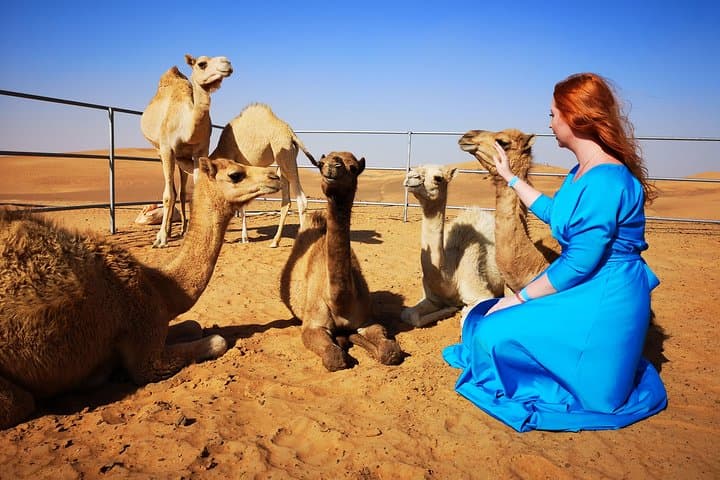
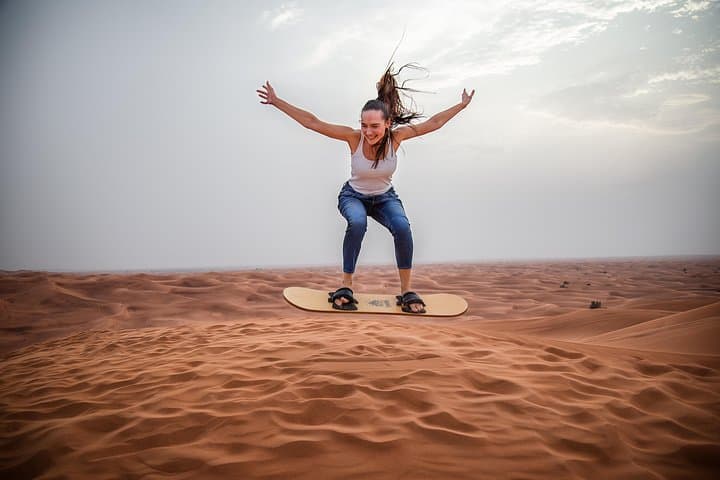
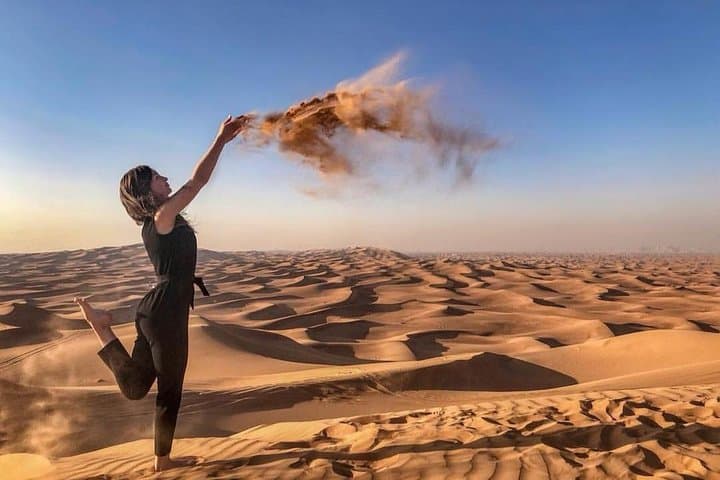
The sun is low and the desert breathes heat that shifts into color—red dunes roll like a living map while the buggy thumps across packed sand. Riders trade the glass and steel of Dubai for wind and grain; camels lift their heads at a private farm, and the horizon burns gold while sandboards cut clean lines down the face of a dune.
The sun is low and the desert breathes heat that shifts into color—red dunes roll like a living map while the buggy thumps across packed sand. Riders trade the glass and steel of Dubai for wind and grain; camels lift their heads at a private farm, and the horizon burns gold while sandboards cut clean lines down the face of a dune.
This part of the Arabian Desert is shaped by millennia of wind: fine quartz sand moved into crescent-shaped barchan dunes and the iconic red hue comes from iron oxide coatings. Human history here runs from Bedouin camel routes to modern conservation efforts; evening camps grew from traditional hospitality—Arabic coffee, dates and storytelling—into curated tourist experiences that add staged music and performance.
Culture is tactile: try on a kandura, get a quick henna pattern, sip gahwa, and watch tanoura and fire dances that dramatize regional rhythms. Wildlife is sparse but present—camels, desert hare and occasional fox tracks mark the sand.
Practical guidance: tours typically run late afternoon into evening (about 6–7 hours total). Expect brief walks, short camel rides and sandboarding; most activity is seated in buggies or at the camp. Bring sun protection, closed-toe shoes, a light jacket for after-sunset chill and a small camera with extra battery. Follow guides’ safety briefings for buggy use and sandboarding, and be mindful of dunes—avoid disturbing vegetation or wildlife. If you have spinal, heart or pregnancy concerns, this is not recommended. Book for late afternoon to catch the sunset and cooler temperatures.