THE ADVENTURE COLLECTIVE® · Independent discovery and booking for outdoor travel

Drive the Sumail Gap at dusk to reach Nizwa’s rounded fort, then wander the silver souq and ascend to the Saiq Plateau. This private evening tour combines living history, irrigation marvels and highland views in one manageable outing.
Drive the Sumail Gap at dusk to reach Nizwa’s rounded fort, then wander the silver souq and ascend to the Saiq Plateau. This private evening tour combines living history, irrigation marvels and highland views in one manageable outing.
As the sun slips behind the ridges of the Hajar, your vehicle threads the Sumail Gap and the mountains begin to speak in shadow and stone. The road climbs, the air cools, and by evening you arrive in Nizwa — its round fort rising like a well-defended memory above date palms and flash-lit alleys.
Verified experiences and guided adventures in the surrounding area.
Operated by Oman Tour · Nizwa, Al Dakhiliyah Governorate
As the sun slips behind the ridges of the Hajar, your vehicle threads the Sumail Gap and the mountains begin to speak in shadow and stone. The road climbs, the air cools, and by evening you arrive in Nizwa — its round fort rising like a well-defended memory above date palms and flash-lit alleys.
Nizwa was Oman’s political and commercial heart in early centuries; the fort seen today was largely rebuilt in the 17th century atop older foundations and sits over an underground stream that once assured its power. Geologically, the drive passes folded limestone of the Western and Eastern Hajar; the Saiq Plateau at higher elevation feels almost alpine compared with the coastal plain, with terraced farms and the ancient falaj irrigation channels carving bright lines through the landscape.
Culturally the evening bestows contrasts: the clamor of the silver souq and cattle sellers, the soft hush of Al Aqar’s old houses, and a chance to taste traditional coffee in a private home. The guide explains the falaj system and points to Birkat Al-Mouz’s crumbling mud houses and living oasis.
Practical notes: plan for an 8-hour private transfer starting from Muscat, bring layers for the plateau’s chill, and expect short walks on packed-earth paths and stone stairways. Photography is rewarding after golden hour but bring a headlamp for narrow lanes. Respect mosque hours, keep to trails around vulnerable agriculture, and carry water — the desert demands it even at dusk.
easy.
8 hours.
Minimal fitness required; comfortable walking ability for short uneven paths and stairways
This private evening tour runs about 8 hours; start time is typically late afternoon to reach Nizwa and the Saiq Plateau at dusk.
The itinerary notes the fort visit and admission may be included depending on booking specifics—confirm at booking time.
Walking is short and on mostly hard-packed earth or stone steps; guests of all fitness levels can participate though some stair climbing is required.
Light refreshments like coffee, tea and bottled water are provided; sample opportunities for traditional food are typically available at local stops.
Nizwa served as Oman’s capital in the 6th–7th centuries and the existing fort was rebuilt in the 17th century over earlier defensive structures.
The region’s falaj irrigation and oasis agriculture are fragile; visitors should avoid trampling channels, minimize water use, and support local artisans to sustain traditional livelihoods.
Oman Tour operates guided outdoor trips and adventures with an emphasis on safety, stewardship, and memorable experiences.
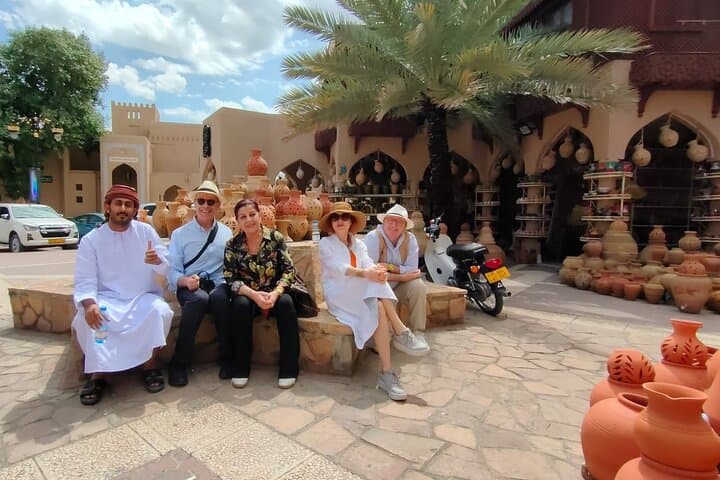
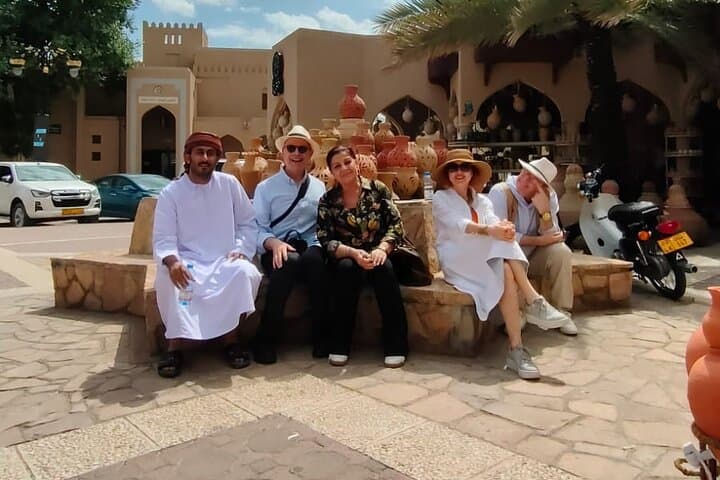
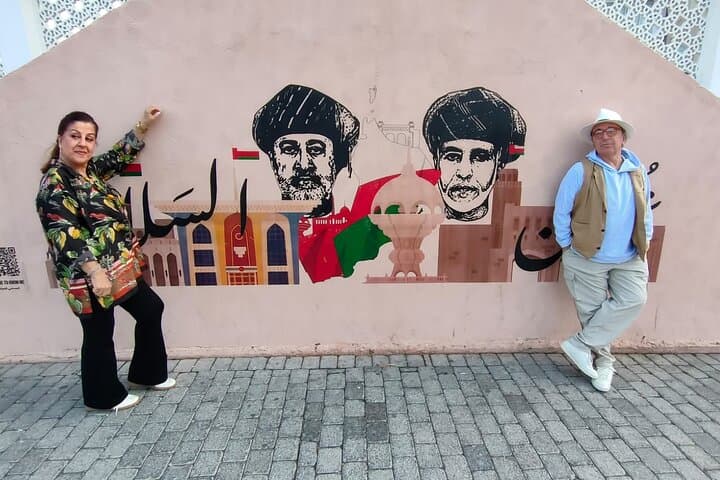

As the sun slips behind the ridges of the Hajar, your vehicle threads the Sumail Gap and the mountains begin to speak in shadow and stone. The road climbs, the air cools, and by evening you arrive in Nizwa — its round fort rising like a well-defended memory above date palms and flash-lit alleys.
As the sun slips behind the ridges of the Hajar, your vehicle threads the Sumail Gap and the mountains begin to speak in shadow and stone. The road climbs, the air cools, and by evening you arrive in Nizwa — its round fort rising like a well-defended memory above date palms and flash-lit alleys.
Nizwa was Oman’s political and commercial heart in early centuries; the fort seen today was largely rebuilt in the 17th century atop older foundations and sits over an underground stream that once assured its power. Geologically, the drive passes folded limestone of the Western and Eastern Hajar; the Saiq Plateau at higher elevation feels almost alpine compared with the coastal plain, with terraced farms and the ancient falaj irrigation channels carving bright lines through the landscape.
Culturally the evening bestows contrasts: the clamor of the silver souq and cattle sellers, the soft hush of Al Aqar’s old houses, and a chance to taste traditional coffee in a private home. The guide explains the falaj system and points to Birkat Al-Mouz’s crumbling mud houses and living oasis.
Practical notes: plan for an 8-hour private transfer starting from Muscat, bring layers for the plateau’s chill, and expect short walks on packed-earth paths and stone stairways. Photography is rewarding after golden hour but bring a headlamp for narrow lanes. Respect mosque hours, keep to trails around vulnerable agriculture, and carry water — the desert demands it even at dusk.