THE ADVENTURE COLLECTIVE® · Independent discovery and booking for outdoor travel

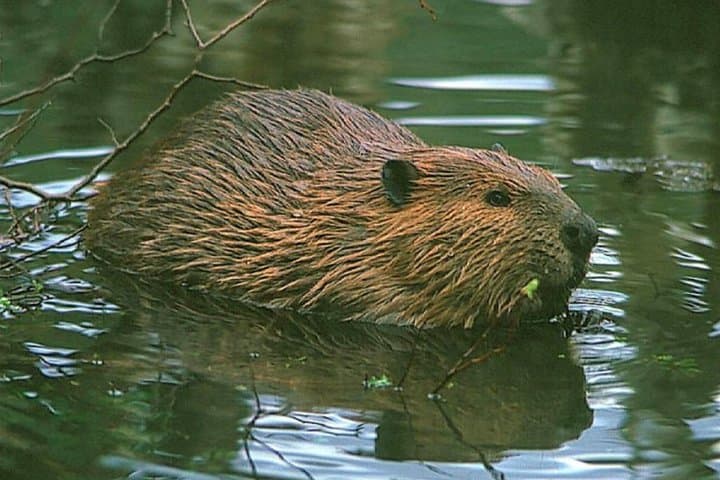
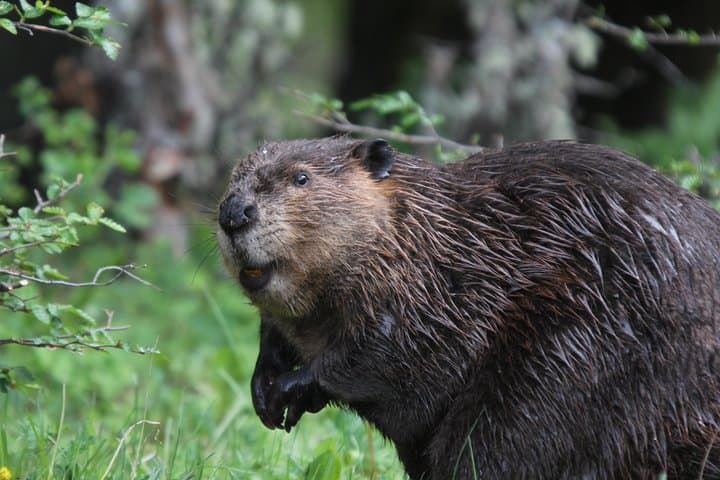
Head out from Ushuaia at dusk to watch beavers at active castoreras in Tierra del Fuego. This guided evening walk combines close wildlife viewing, an ecological briefing and a refuge dinner over 4–5 hours.
Head out from Ushuaia at dusk to watch beavers at active castoreras in Tierra del Fuego. This guided evening walk combines close wildlife viewing, an ecological briefing and a refuge dinner over 4–5 hours.
A low light settles over lenga forest as you leave Ushuaia; headlamps cut thin cones through mist while the road drops toward the wetland where beavers have reshaped the land.
Verified experiences and guided adventures in the surrounding area.
Operated by All Patagonia Viajes y Turismo · Ushuaia, Tierra del Fuego
A low light settles over lenga forest as you leave Ushuaia; headlamps cut thin cones through mist while the road drops toward the wetland where beavers have reshaped the land.
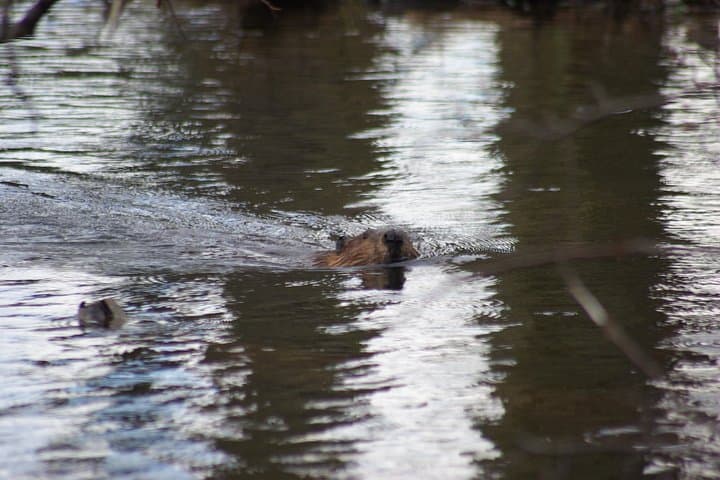
The walk follows old logging tracks and streams, crossing small boardwalks and mud-flats to reach active castoreras. Beavers are crepuscular here—most visible at dusk—and the guide’s voice falls to a hush so the animals, and the timber they’ve felled, can do the talking.
This is southernmost Patagonia, carved by glaciers and cut by rivers that now push and pool around beaver dams. The species was introduced in the 1940s; their engineering has transformed shorelines, flooded lenga stands and altered habitats—an ecological story as dramatic as the islands’ glacial past.
Local communities tie to fishing and frontier forestry; tonight’s dinner at the refuge samples regional flavors after the sighting, and conversation often turns to conservation trade-offs between introduced species and native ecosystems.
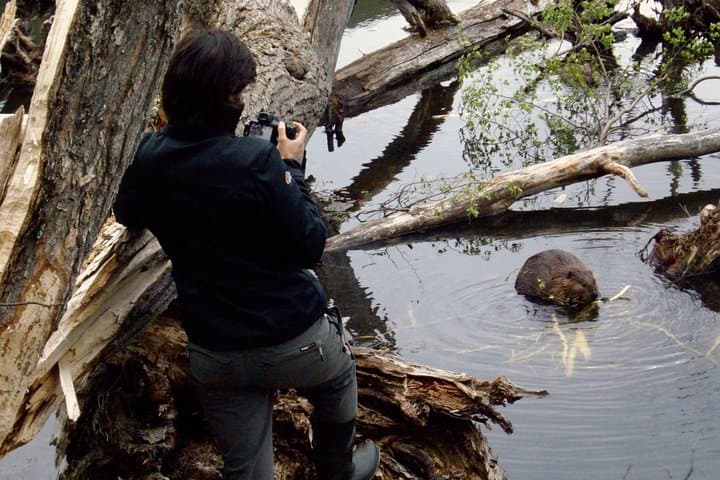
Practically: the outing runs about 4–5 hours in the evening (approx. 18:30–23:00), operates seasonally (November–March), and includes hotel pickup, transport, a guide, rubber boots and dinner. Terrain is uneven, muddy and damp—expect short boardwalks, soft ground and low visibility patches. Waterproof, warm layers and a headlamp with red-light option make the experience easier; binoculars help for distant movement. Keep silent, move slowly and follow the guide’s placement to avoid disturbing lodges. If you want clear photos, steady support and patience at the edge of the wetland works better than flash. This is intimate wildlife watching: quiet, observant and surprisingly revealing about how one small engineer can reshape a landscape.
moderate.
4–5 hours.
Moderate fitness: able to walk 3–5 km over uneven, muddy terrain and stand quietly for extended periods
No—the operator provides rubber boots sized to fit, but bring warm socks and shoes to change into for the transfer.
Infants must sit on a lap; the walk is listed as moderate—children who can walk steadily and tolerate cold, quiet conditions do best.
You may observe beavers from the shore or short boardwalks; long lenses are recommended and flash should be avoided to prevent disturbance.
Trips can be canceled for severe weather; check the 24-hour cancellation window with the operator for refunds or rescheduling.
Beavers were introduced to Tierra del Fuego in the 1940s; without natural predators their populations spread rapidly and altered wetlands across the archipelago.
Sightings are framed within an ongoing debate: guides discuss ecological impacts and local mitigation while emphasizing viewing protocols that minimize further disturbance.
All Patagonia Viajes y Turismo operates guided outdoor trips and adventures with an emphasis on safety, stewardship, and memorable experiences.
A low light settles over lenga forest as you leave Ushuaia; headlamps cut thin cones through mist while the road drops toward the wetland where beavers have reshaped the land.
A low light settles over lenga forest as you leave Ushuaia; headlamps cut thin cones through mist while the road drops toward the wetland where beavers have reshaped the land.
The walk follows old logging tracks and streams, crossing small boardwalks and mud-flats to reach active castoreras. Beavers are crepuscular here—most visible at dusk—and the guide’s voice falls to a hush so the animals, and the timber they’ve felled, can do the talking.
This is southernmost Patagonia, carved by glaciers and cut by rivers that now push and pool around beaver dams. The species was introduced in the 1940s; their engineering has transformed shorelines, flooded lenga stands and altered habitats—an ecological story as dramatic as the islands’ glacial past.
Local communities tie to fishing and frontier forestry; tonight’s dinner at the refuge samples regional flavors after the sighting, and conversation often turns to conservation trade-offs between introduced species and native ecosystems.
Practically: the outing runs about 4–5 hours in the evening (approx. 18:30–23:00), operates seasonally (November–March), and includes hotel pickup, transport, a guide, rubber boots and dinner. Terrain is uneven, muddy and damp—expect short boardwalks, soft ground and low visibility patches. Waterproof, warm layers and a headlamp with red-light option make the experience easier; binoculars help for distant movement. Keep silent, move slowly and follow the guide’s placement to avoid disturbing lodges. If you want clear photos, steady support and patience at the edge of the wetland works better than flash. This is intimate wildlife watching: quiet, observant and surprisingly revealing about how one small engineer can reshape a landscape.