THE ADVENTURE COLLECTIVE® · Independent discovery and booking for outdoor travel

Glide beneath the nine-arched bridge into Hortobágy’s floodplain on an evening beaver boat safari. Watch Eurasian beavers at dusk, learn about wetland recovery, and taste traditional Puszta fare on this four‑hour wildlife outing.
Glide beneath the nine-arched bridge into Hortobágy’s floodplain on an evening beaver boat safari. Watch Eurasian beavers at dusk, learn about wetland recovery, and taste traditional Puszta fare on this four‑hour wildlife outing.
The boat slips quietly beneath the long stone arches as evening folds across the Hortobágy. Reeds press close to the hull, and the river, dark and willing, pushes you forward toward lodges of branches and the occasional reflective eye. Dusk is when the beavers most often reveal themselves: deliberate, broad-tailed engineers shaping the floodplain’s edges.
Verified experiences and guided adventures in the surrounding area.
Operated by Humtour Kalandozások Magyarországon · Hortobágy, Hajdú-Bihar County
The boat slips quietly beneath the long stone arches as evening folds across the Hortobágy. Reeds press close to the hull, and the river, dark and willing, pushes you forward toward lodges of branches and the occasional reflective eye. Dusk is when the beavers most often reveal themselves: deliberate, broad-tailed engineers shaping the floodplain’s edges.
Hortobágy is Hungary’s largest protected area and one of Europe’s biggest semi-natural grasslands. The nine‑arched bridge — a 19th‑century crossing and local landmark — marks the transition from pastoral plain to floodplain forest where beavers return to a recovering range after centuries of decline. The human culture here is plainspoken Puszta: shepherding traditions, simple shepherd stews like slambuc, and livestock breeds preserved at the Puszta Zoo.
On a two‑hour river safari you’ll watch for beaver dams up to two metres high, listen to reedbeds whisper, and learn from guides about river dynamics and species interactions that shape wetlands. Expect narrow, low boats and a slow rhythm: photography at low light, quiet movement, and a steady stream of natural history commentary.
Practical tips: tours run at dusk, bring warm layers and a headlamp for return transfers, and pack a waterproof layer against river spray. Binoculars and a telephoto lens reward patience; insect repellent and sturdy shoes improve comfort on short landings. This is an accessible, low‑impact wildlife boat trip that pairs cultural meal-time with a focused evening on the river.
easy.
4 hours.
Suitable for most fitness levels; mostly seated boat time with short, flat transfers on and off the river.
Beavers are more active at dusk and sightings are common on this stretch, but wildlife is never guaranteed; guides locate likely spots and wait patiently.
The tour includes minibus transfers from the meeting city (often Debrecen or Budapest depending on the departure) to the Puszta area and returns by night to the pickup point.
Yes — the trip is family‑friendly, though children should be able to sit quietly during the boat section and follow safety instructions.
Yes — the tour typically includes a traditional Puszta dinner (slambuc) served at the Puszta Zoo before the evening boat segment.
Hortobágy is part of the Great Hungarian Plain and was designated Hungary’s first national park; the nine‑arched bridge is an iconic 19th‑century landmark linking pastoral routes.
Beavers in the region represent a successful recovery after intense historical hunting; tours emphasize low‑impact viewing and support local conservation and breed‑preservation efforts.
Humtour Kalandozások Magyarországon operates guided outdoor trips and adventures with an emphasis on safety, stewardship, and memorable experiences.
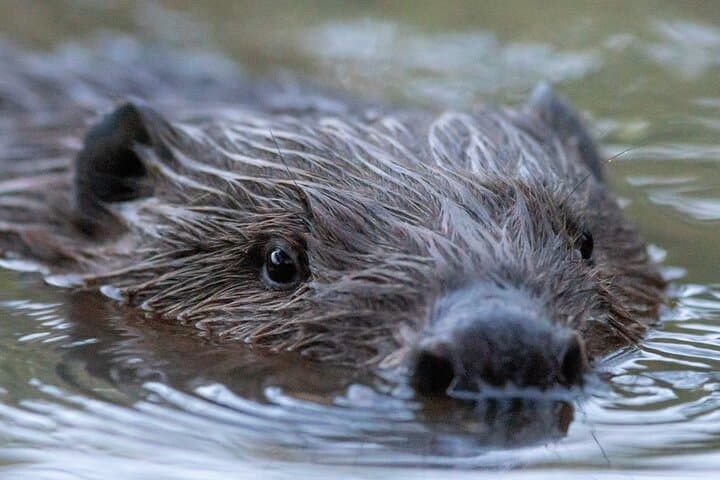
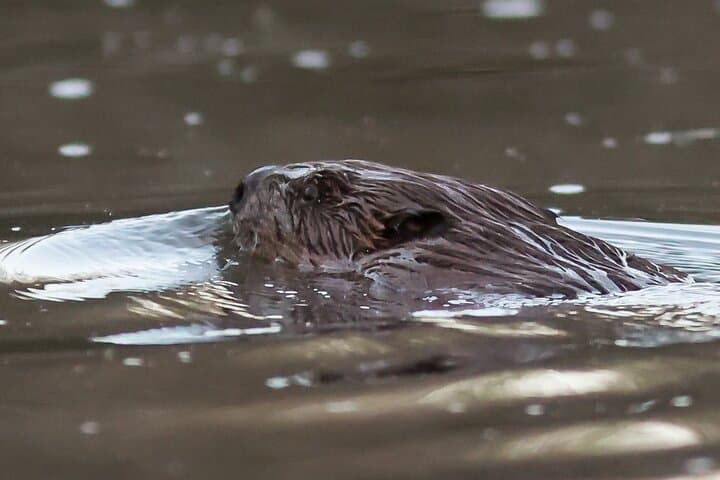
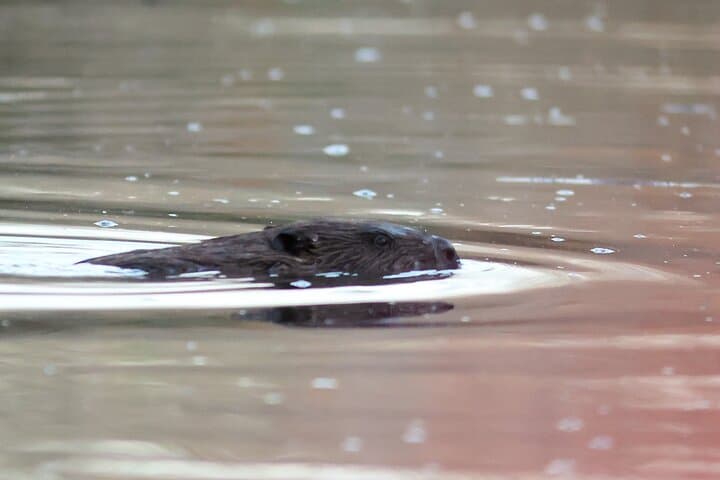
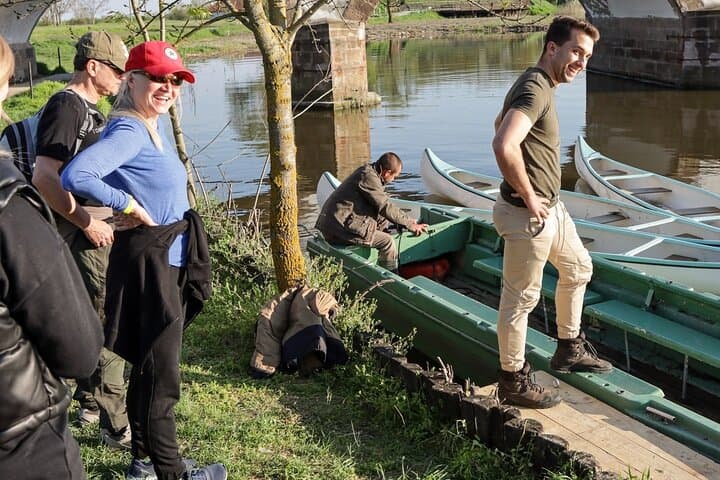
The boat slips quietly beneath the long stone arches as evening folds across the Hortobágy. Reeds press close to the hull, and the river, dark and willing, pushes you forward toward lodges of branches and the occasional reflective eye. Dusk is when the beavers most often reveal themselves: deliberate, broad-tailed engineers shaping the floodplain’s edges.
The boat slips quietly beneath the long stone arches as evening folds across the Hortobágy. Reeds press close to the hull, and the river, dark and willing, pushes you forward toward lodges of branches and the occasional reflective eye. Dusk is when the beavers most often reveal themselves: deliberate, broad-tailed engineers shaping the floodplain’s edges.
Hortobágy is Hungary’s largest protected area and one of Europe’s biggest semi-natural grasslands. The nine‑arched bridge — a 19th‑century crossing and local landmark — marks the transition from pastoral plain to floodplain forest where beavers return to a recovering range after centuries of decline. The human culture here is plainspoken Puszta: shepherding traditions, simple shepherd stews like slambuc, and livestock breeds preserved at the Puszta Zoo.
On a two‑hour river safari you’ll watch for beaver dams up to two metres high, listen to reedbeds whisper, and learn from guides about river dynamics and species interactions that shape wetlands. Expect narrow, low boats and a slow rhythm: photography at low light, quiet movement, and a steady stream of natural history commentary.
Practical tips: tours run at dusk, bring warm layers and a headlamp for return transfers, and pack a waterproof layer against river spray. Binoculars and a telephoto lens reward patience; insect repellent and sturdy shoes improve comfort on short landings. This is an accessible, low‑impact wildlife boat trip that pairs cultural meal-time with a focused evening on the river.