THE ADVENTURE COLLECTIVE® · Independent discovery and booking for outdoor travel

Pedal through Barcelona as the city exhales into evening: beaches, Arc de Triomf, Parc de la Ciutadella and a glass of cava with tapas. This small-group bike tour mixes urban history, seaside views, and local flavor in about 2.5 hours.
Pedal through Barcelona as the city exhales into evening: beaches, Arc de Triomf, Parc de la Ciutadella and a glass of cava with tapas. This small-group bike tour mixes urban history, seaside views, and local flavor in about 2.5 hours.
Streetlights warm the paving as riders clip in and push off from Plaça de Sant Jaume, wheels whispering along stone and tram rail. The air carries salt from Barceloneta and the fizz of a freshly poured cava—an urban evening that moves at two wheels and a relaxed rhythm. Guides steer small groups through the grid of El Born, past the brick Arc de Triomf, and out toward the Olympic Village where Barcelona’s modern coastline meets older working neighborhoods.
Verified experiences and guided adventures in the surrounding area.
Operated by LivTours · Barcelona, Catalonia
Streetlights warm the paving as riders clip in and push off from Plaça de Sant Jaume, wheels whispering along stone and tram rail. The air carries salt from Barceloneta and the fizz of a freshly poured cava—an urban evening that moves at two wheels and a relaxed rhythm. Guides steer small groups through the grid of El Born, past the brick Arc de Triomf, and out toward the Olympic Village where Barcelona’s modern coastline meets older working neighborhoods.
Barcelona’s seaside is recent by city standards: beaches were engineered and expanded for the 1992 Olympics, reshaping geology and bringing new public space to formerly industrial shorelines. The route threads through layers of history — the medieval plots of the Ribera, Bourbon-era rubble under Mercat del Born, and the 19th-century promenade trees of Parc de la Ciutadella — while Catalan culture surfaces in tapas stops, street art, and evening paseo rituals.
Expect mostly flat, paved streets with occasional cobbles and a gentle urban pace suitable for beginners. The guide handles route choice and local context; riders will stop for photos, a short history on key sites, and a sipping break with local sparkling cava and tapas. Practicalities: arrive 10–15 minutes early for bike fitting, wear closed-toe shoes, and bring a small bottle of water. Evenings cool quickly near the sea, so layer up. This is a social, low-impact way to see Barcelona’s waterfront, neighborhoods, and cityscape light up as day moves toward night.
easy.
2–3 hours.
Suitable for casual cyclists and walkers comfortable riding 6–8 km at a relaxed pace; basic balance and stamina for 2.5 hours of riding.
No — the tour is designed for all fitness levels and covers mostly flat, paved streets with a guide managing the route.
Most operators include helmets; confirm at booking and request one when you arrive for fitting.
Yes — inform the operator of any allergies or dietary needs when booking so they can tailor tapas where possible.
Weather policies vary; this tour typically runs in light rain but may be rescheduled in heavy rain or unsafe conditions — check the provider's cancellation rules.
Modern Barcelona’s beachfront is largely a product of redevelopment for the 1992 Olympics; Mercat del Born overlays 18th-century ruins from the War of Spanish Succession.
Stick to marked routes, avoid single-use plastics, and support small local eateries to keep tourism benefits local; beaches and parks face seasonal pressure, so respect waste rules.
LivTours operates guided outdoor trips and adventures with an emphasis on safety, stewardship, and memorable experiences.
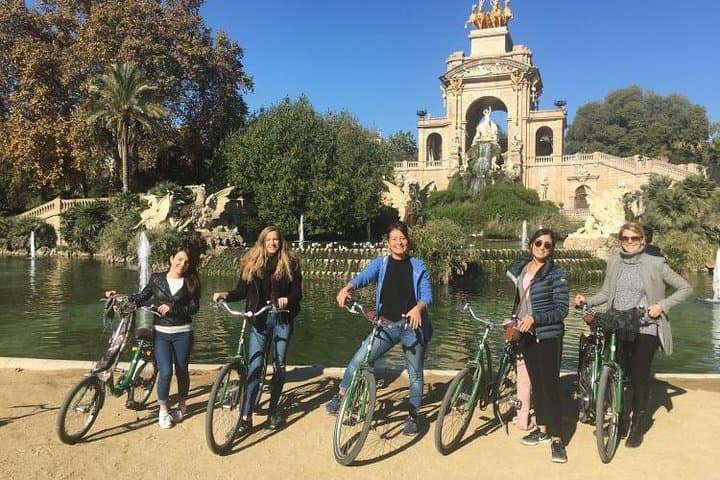


Streetlights warm the paving as riders clip in and push off from Plaça de Sant Jaume, wheels whispering along stone and tram rail. The air carries salt from Barceloneta and the fizz of a freshly poured cava—an urban evening that moves at two wheels and a relaxed rhythm. Guides steer small groups through the grid of El Born, past the brick Arc de Triomf, and out toward the Olympic Village where Barcelona’s modern coastline meets older working neighborhoods.
Streetlights warm the paving as riders clip in and push off from Plaça de Sant Jaume, wheels whispering along stone and tram rail. The air carries salt from Barceloneta and the fizz of a freshly poured cava—an urban evening that moves at two wheels and a relaxed rhythm. Guides steer small groups through the grid of El Born, past the brick Arc de Triomf, and out toward the Olympic Village where Barcelona’s modern coastline meets older working neighborhoods.
Barcelona’s seaside is recent by city standards: beaches were engineered and expanded for the 1992 Olympics, reshaping geology and bringing new public space to formerly industrial shorelines. The route threads through layers of history — the medieval plots of the Ribera, Bourbon-era rubble under Mercat del Born, and the 19th-century promenade trees of Parc de la Ciutadella — while Catalan culture surfaces in tapas stops, street art, and evening paseo rituals.
Expect mostly flat, paved streets with occasional cobbles and a gentle urban pace suitable for beginners. The guide handles route choice and local context; riders will stop for photos, a short history on key sites, and a sipping break with local sparkling cava and tapas. Practicalities: arrive 10–15 minutes early for bike fitting, wear closed-toe shoes, and bring a small bottle of water. Evenings cool quickly near the sea, so layer up. This is a social, low-impact way to see Barcelona’s waterfront, neighborhoods, and cityscape light up as day moves toward night.