THE ADVENTURE COLLECTIVE® · Independent discovery and booking for outdoor travel

Spend an illuminated evening in Luxor: explore artifacts at the Luxor Museum, then watch Karnak Temple come alive in the Sound and Light Show. This private tour pairs historical context with convenient hotel pickup for a compact, atmospheric night out.
Spend an illuminated evening in Luxor: explore artifacts at the Luxor Museum, then watch Karnak Temple come alive in the Sound and Light Show. This private tour pairs historical context with convenient hotel pickup for a compact, atmospheric night out.
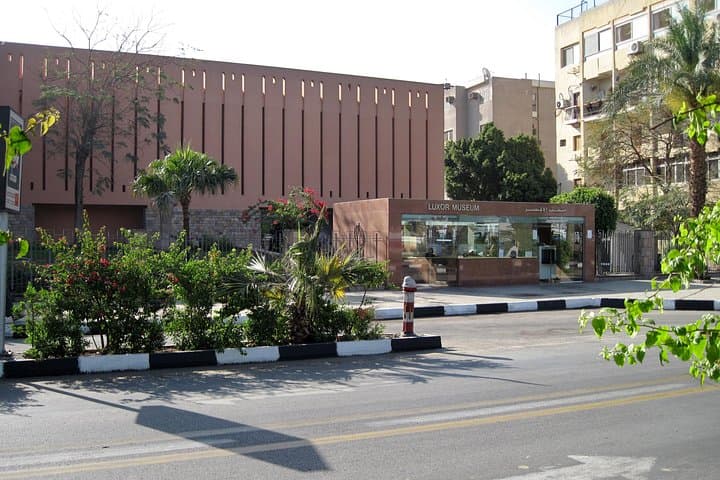
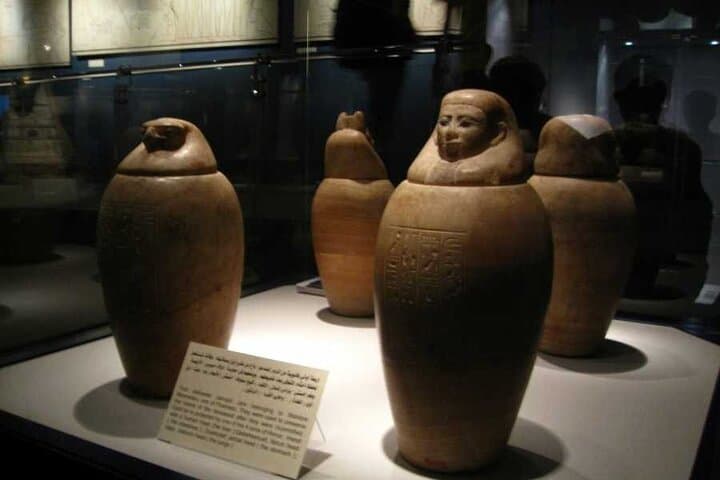
The sun has slid behind the Nile and the columns of Karnak begin to assert themselves against the deepening sky—shadows sharpen, hieroglyphs take on a relief of their own, and a voice guides you through millennia. Begin inside the compact Luxor Museum, where glass cases hold the everyday and the royal: statuary pulled from Thebes, two royal mummies in a modern annex, and small objects that make life in ancient Egypt legible.
Verified experiences and guided adventures in the surrounding area.
Operated by Egypt Best Day Tours · Luxor, Luxor Governorate
The sun has slid behind the Nile and the columns of Karnak begin to assert themselves against the deepening sky—shadows sharpen, hieroglyphs take on a relief of their own, and a voice guides you through millennia. Begin inside the compact Luxor Museum, where glass cases hold the everyday and the royal: statuary pulled from Thebes, two royal mummies in a modern annex, and small objects that make life in ancient Egypt legible.
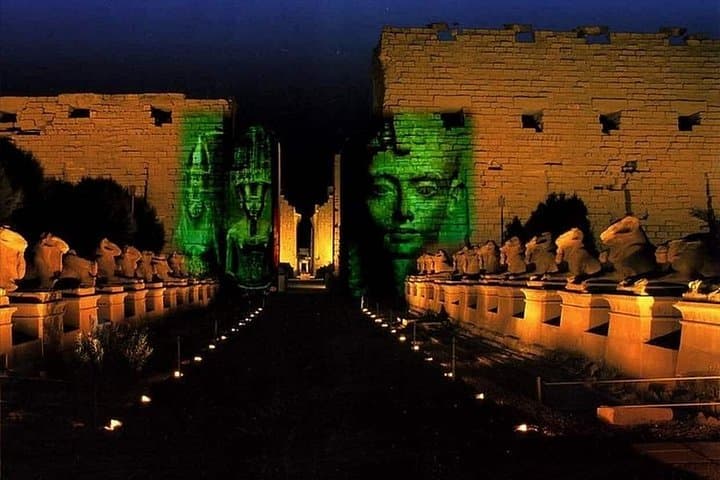
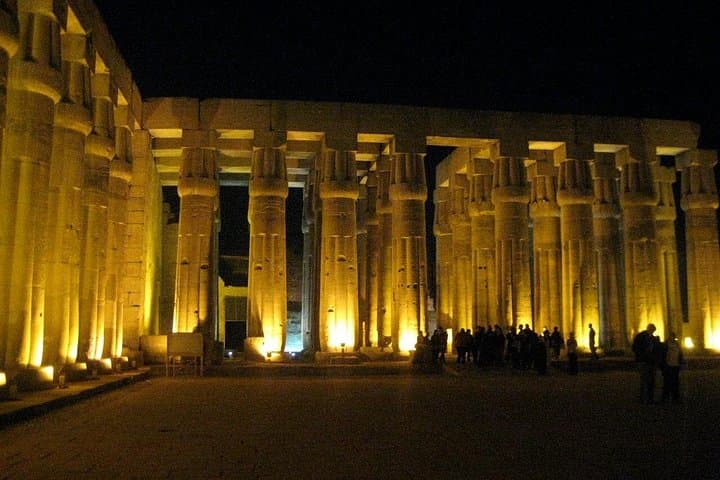
Step back outside as dusk yields to the Karnak Sound and Light Show. Floodlights uncloak towering pylons and avenues of ram-headed sphinxes while narration plots the city’s arc from Middle Kingdom builders to New Kingdom pharaohs who expanded this ritual complex. Geology and engineering peek through—sandstone and mudbrick from the Nile’s terraces, carved and re-cut over centuries—while the Nile’s proximity explains Luxor’s long human story and ongoing agricultural life.
Culturally, the evening ties living Luxor to its past: local guides translate mythology and point out symbols that recur in Coptic and modern Egyptian motifs. Practically, the combined visit is compact—about 3–3.5 hours including hotel transfers. Expect paved museum floors, uneven temple courtyards, and open-air seating for the show; bring a light jacket for desert nights and modest clothing for museum and temple interiors. Hotel pickup and a private Egyptologist make logistics easy, but check pickup time and allow an hour buffer for traffic along the Corniche.
This is a concentrated cultural stretch—part museum visit, part theatrical archaeology—that rewards attentive listening, respectful photography, and a willingness to let ancient stones set the tempo of the evening.
easy.
3–3.5 hours.
Minimal fitness required; uses short periods of walking and standing on mostly level surfaces
Yes—this private tour includes pickup and drop-off from Luxor hotels; confirm your exact pickup point when booking.
Admission to the Luxor Museum and the Karnak Sound & Light Show are included as stated in the tour inclusions.
The tour is suitable for all ages; infants must sit on an adult’s lap and strollers may be inconvenient on temple grounds.
Photography is generally allowed in public areas; flash and tripods may be restricted in the museum and certain protected displays—follow onsite signs and guide instructions.
Luxor stands on the site of ancient Thebes, a political and religious capital for New Kingdom pharaohs who expanded Karnak into one of the Mediterranean world’s largest temple complexes.
Karnak and Luxor Museum face ongoing preservation challenges; visitors should avoid touching reliefs, stick to marked paths, and follow guide instructions to minimize wear on ancient stone.
Egypt Best Day Tours operates guided outdoor trips and adventures with an emphasis on safety, stewardship, and memorable experiences.
The sun has slid behind the Nile and the columns of Karnak begin to assert themselves against the deepening sky—shadows sharpen, hieroglyphs take on a relief of their own, and a voice guides you through millennia. Begin inside the compact Luxor Museum, where glass cases hold the everyday and the royal: statuary pulled from Thebes, two royal mummies in a modern annex, and small objects that make life in ancient Egypt legible.
The sun has slid behind the Nile and the columns of Karnak begin to assert themselves against the deepening sky—shadows sharpen, hieroglyphs take on a relief of their own, and a voice guides you through millennia. Begin inside the compact Luxor Museum, where glass cases hold the everyday and the royal: statuary pulled from Thebes, two royal mummies in a modern annex, and small objects that make life in ancient Egypt legible.
Step back outside as dusk yields to the Karnak Sound and Light Show. Floodlights uncloak towering pylons and avenues of ram-headed sphinxes while narration plots the city’s arc from Middle Kingdom builders to New Kingdom pharaohs who expanded this ritual complex. Geology and engineering peek through—sandstone and mudbrick from the Nile’s terraces, carved and re-cut over centuries—while the Nile’s proximity explains Luxor’s long human story and ongoing agricultural life.
Culturally, the evening ties living Luxor to its past: local guides translate mythology and point out symbols that recur in Coptic and modern Egyptian motifs. Practically, the combined visit is compact—about 3–3.5 hours including hotel transfers. Expect paved museum floors, uneven temple courtyards, and open-air seating for the show; bring a light jacket for desert nights and modest clothing for museum and temple interiors. Hotel pickup and a private Egyptologist make logistics easy, but check pickup time and allow an hour buffer for traffic along the Corniche.
This is a concentrated cultural stretch—part museum visit, part theatrical archaeology—that rewards attentive listening, respectful photography, and a willingness to let ancient stones set the tempo of the evening.