THE ADVENTURE COLLECTIVE® · Independent discovery and booking for outdoor travel

Spend 4–5 hours on a family-run cacao farm in Circasia learning bean-to-bar chocolate making. Hands-on workshops, mountain views, and a tasting session give a compact, practical look at Colombia’s artisan cacao scene.
Spend 4–5 hours on a family-run cacao farm in Circasia learning bean-to-bar chocolate making. Hands-on workshops, mountain views, and a tasting session give a compact, practical look at Colombia’s artisan cacao scene.
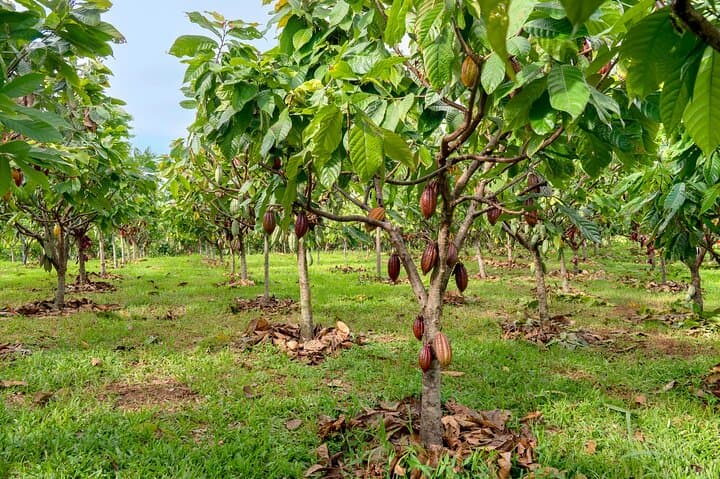
You arrive on a narrow Andean lane as mist lifts from coffee fields and cacao trees stand like quiet sentries, pods bright against deep-green leaves. The Evelyza family greets you at a low-slung farmhouse where the smell of toasted cacao mixes with damp earth and fresh mountain air.
Verified experiences and guided adventures in the surrounding area.
Operated by Gran Colombia Tours · Circasia, Quindío
You arrive on a narrow Andean lane as mist lifts from coffee fields and cacao trees stand like quiet sentries, pods bright against deep-green leaves. The Evelyza family greets you at a low-slung farmhouse where the smell of toasted cacao mixes with damp earth and fresh mountain air.
This corner of Colombia’s Coffee Triangle sits on volcanic soils uplifted by the Andes, soils that helped make fine cacao cultivation possible alongside coffee. Cacao here carries layers of history: Indigenous cultivation pre-dates Spanish contact, and later local families adapted techniques brought from both African and European influences to create today’s artisan bars.
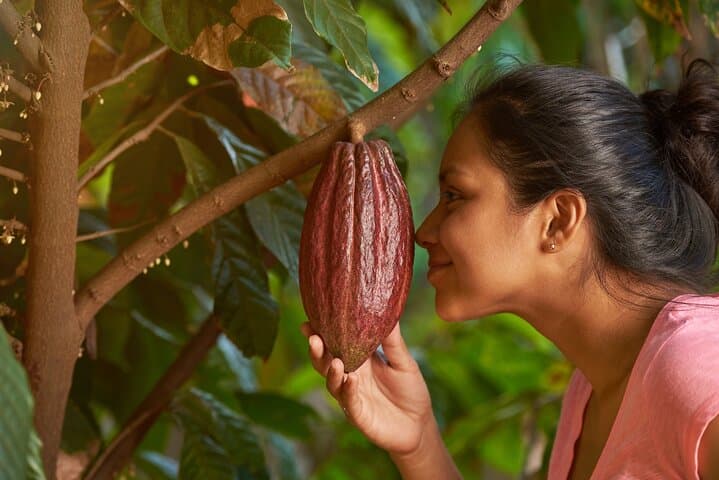
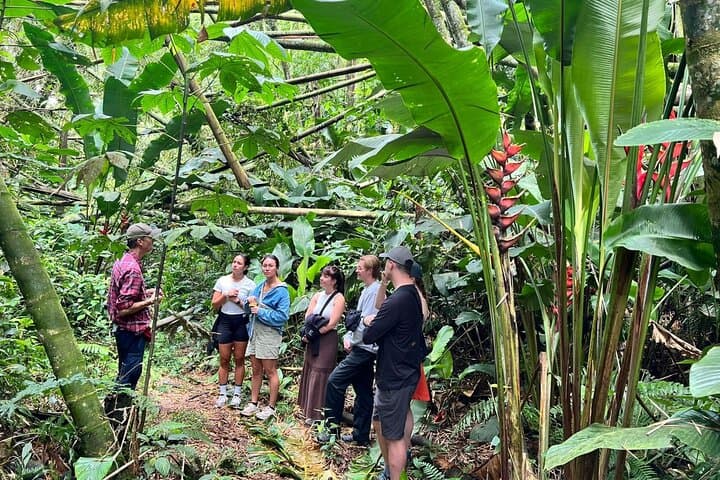
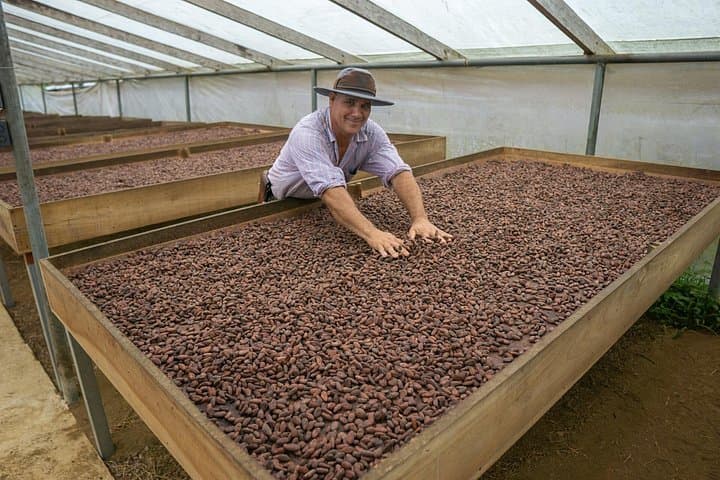
At Evelyza you’ll walk rows of trees, learn to identify ripe pods, and hear how fermentation and drying coax flavor. The hands-on workshop moves from roast to grind to temper — a practical primer on the bean-to-bar process. Guides intersperse technique with local culture: smallholder agriculture, communal harvesting rhythms, and how global demand is reshaping rural economies.
Expect uneven farm tracks and short uphill walks with sweeping valley views; the experience is sensory — cracking pods, warm nibs, and the sharp sweetness of fresh chocolate. Practical notes: wear closed-toe shoes, bring a light rain layer, and plan for a 4–5 hour outing with hotel transfer included. Hydrate and bring cash for extra chocolates.
This is not a factory tour but an intimate, educational encounter with place — perfect for food-minded travelers who want tangible skills, regional context, and a direct connection to Colombian cacao craft.
easy.
4–5 hours.
Suitable for most fitness levels; expect short walks on uneven ground and standing during workshops
The experience runs about 4–5 hours including hotel pick-up and drop-off.
Yes; the farm reports wheelchair-accessible areas and the program is family-friendly, though some paths may be uneven.
Yes; the itinerary includes a hands-on chocolate-making workshop where you roast, grind, and craft an artisanal bar.
Guides speak English and Spanish, and the tour description notes bilingual interpretation is provided.
Cacao and coffee cultivation in the region grew on volcanic soils; family farms in Quindío have blended indigenous and colonial cultivation methods into modern artisanal production.
The farm emphasizes sustainable, organic practices and smallholder stewardship; visitors should stick to paths and avoid taking plant material to limit pest spread.
Gran Colombia Tours operates guided outdoor trips and adventures with an emphasis on safety, stewardship, and memorable experiences.
You arrive on a narrow Andean lane as mist lifts from coffee fields and cacao trees stand like quiet sentries, pods bright against deep-green leaves. The Evelyza family greets you at a low-slung farmhouse where the smell of toasted cacao mixes with damp earth and fresh mountain air.
You arrive on a narrow Andean lane as mist lifts from coffee fields and cacao trees stand like quiet sentries, pods bright against deep-green leaves. The Evelyza family greets you at a low-slung farmhouse where the smell of toasted cacao mixes with damp earth and fresh mountain air.
This corner of Colombia’s Coffee Triangle sits on volcanic soils uplifted by the Andes, soils that helped make fine cacao cultivation possible alongside coffee. Cacao here carries layers of history: Indigenous cultivation pre-dates Spanish contact, and later local families adapted techniques brought from both African and European influences to create today’s artisan bars.
At Evelyza you’ll walk rows of trees, learn to identify ripe pods, and hear how fermentation and drying coax flavor. The hands-on workshop moves from roast to grind to temper — a practical primer on the bean-to-bar process. Guides intersperse technique with local culture: smallholder agriculture, communal harvesting rhythms, and how global demand is reshaping rural economies.
Expect uneven farm tracks and short uphill walks with sweeping valley views; the experience is sensory — cracking pods, warm nibs, and the sharp sweetness of fresh chocolate. Practical notes: wear closed-toe shoes, bring a light rain layer, and plan for a 4–5 hour outing with hotel transfer included. Hydrate and bring cash for extra chocolates.
This is not a factory tour but an intimate, educational encounter with place — perfect for food-minded travelers who want tangible skills, regional context, and a direct connection to Colombian cacao craft.